Key Questions for Your Dentist
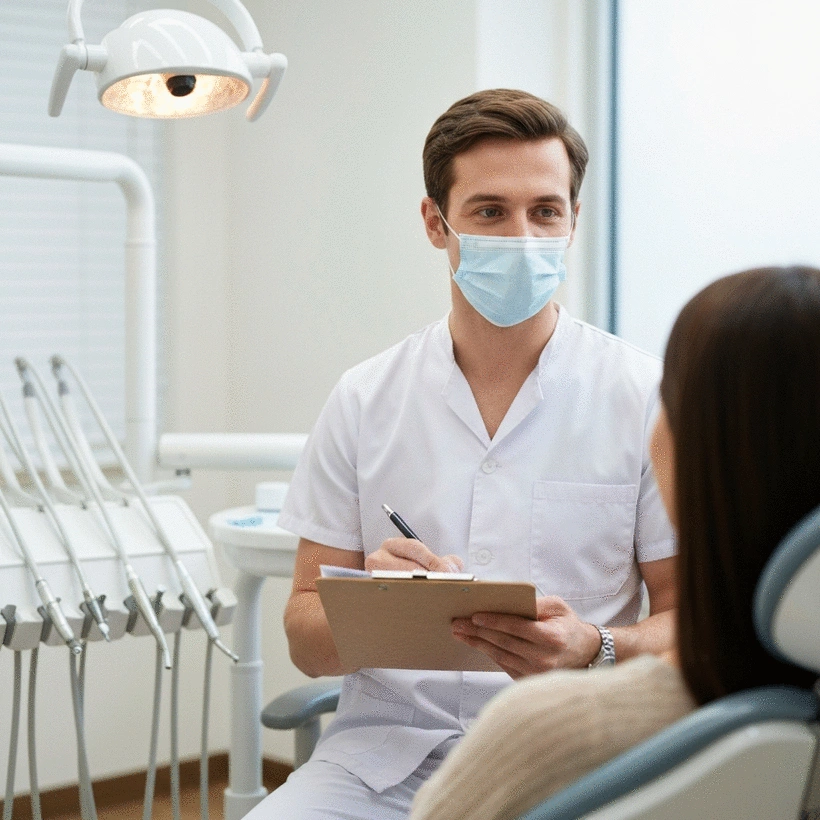
When faced with a dental emergency, clarity is key. Knowing what to expect during your consultation can empower you to make informed decisions about your oral health.
What You Will Learn
- The initial steps of an emergency dental visit typically involve a thorough assessment and diagnosis.
- Understanding treatment options and asking questions is crucial to your dental health and comfort.
- Recognizing common dental emergencies can help you act quickly and effectively.
- Follow-up appointments are essential for monitoring healing and preventing future issues.
- Effective communication with your dentist enhances care outcomes and builds trust.
Emergency Dental Consultation: Your Journey to Relief
Understanding the process of an emergency dental consultation can significantly reduce anxiety. The visual below outlines the typical flow from initial assessment to crucial follow-up care.
1. Initial Assessment
Dentist examines mouth, listens to concerns, and conducts tests to diagnose the issue.
2. Treatment Plan
Discuss potential treatment options, risks, outcomes, and recovery times.
3. Immediate Care
Treatment administered to alleviate pain or address the immediate dental issue.
4. Follow-up & Prevention
Schedule follow-up appointments and discuss strategies for long-term oral health.
Understanding Your Emergency Dental Consultation
When you're experiencing a dental emergency, knowing what to expect during your consultation can alleviate some of the stress. At eDentistNearMe, we connect you with trusted local emergency dentists who can provide the urgent care you need. Whether it's a sudden toothache or a broken tooth, understanding the process will help you feel more prepared and at ease.

Your visit typically begins with a thorough assessment of your situation. The dentist will take the time to listen to your concerns and evaluate your dental health. Remember, it’s essential to communicate clearly about your symptoms and any previous dental issues! For more information on what to expect, the American Dental Association (ADA) provides valuable resources on meeting your dentist and what to discuss during your visit.
What to Expect During Your Visit to an Emergency Dentist
During your emergency dental visit, you can anticipate a few key steps that will guide the process:
- Initial Assessment: The dentist will examine your mouth and may conduct necessary tests to diagnose the issue.
- Treatment Plan: Based on the assessment, the dentist will discuss potential treatment options tailored to your needs.
- Immediate Care: In many cases, treatment can be administered right away to alleviate pain or address the issue.
Make sure you feel empowered to ask questions throughout the process. Your comfort and understanding are vital as we work together to address your dental needs!
Why Asking Questions is Crucial for Your Dental Health
Asking questions during your emergency consultation is not only encouraged; it’s essential! This is your opportunity to understand your condition and explore treatment options. Don’t hesitate to inquire about:
- Details regarding the diagnosis and what it means for your oral health.
- Alternative treatment options and their associated risks.
- Expected outcomes and recovery times after the procedure.
Remember, a well-informed patient is more likely to feel confident in their care decisions. So, let’s make sure all your concerns are addressed! The ADA's MouthHealthy site offers additional guidance on questions to ask your dentist to ensure comprehensive care.
Common Dental Emergencies: What You Need to Know
Dental emergencies can happen unexpectedly, causing pain and anxiety. Here are some common dental emergencies you might encounter:
- Severe Toothache: Often caused by infection or dental decay.
- Broken or Chipped Tooth: Can result from trauma or biting hard objects.
- Knocked-Out Tooth: Immediate care is crucial if a tooth is displaced.
- Abscessed Tooth: A serious infection that can lead to further complications if not treated promptly.
Recognizing these emergencies can help you act quickly. Remember, at eDentistNearMe, we are here to connect you with professionals who can provide immediate attention and care!
Frequently Asked Questions About Emergency Dental Consultations
- What is the first step during an emergency dental consultation?
- The first step is typically an initial assessment where the dentist examines your mouth, listens to your concerns, and conducts tests to diagnose the issue.
- Why is it important to ask questions during my emergency dental visit?
- Asking questions is crucial for understanding your condition, exploring treatment options, knowing the risks, and being confident in your care decisions. It ensures you are well-informed about your oral health.
- What are some common dental emergencies?
- Common dental emergencies include severe toothaches, broken or chipped teeth, knocked-out teeth, and abscessed teeth. Recognizing these helps in seeking timely treatment.
- What happens after the immediate care during an emergency dental consultation?
- After immediate care, the dentist will discuss follow-up appointments and strategies for long-term oral health to monitor healing and prevent future issues.
- How can effective communication with my dentist benefit me?
- Effective communication enhances care outcomes, builds trust, and ensures your concerns are addressed. It allows you to be an active participant in your dental health journey.
We Want to Hear From You!
Have you ever faced a dental emergency? What was your experience like? Share your thoughts below:
Summarizing Your Emergency Dental Consultation Experience
After an emergency dental consultation, it’s essential to reflect on what you've learned and how to move forward with your dental health. Understanding the key takeaways from your visit can help you feel more confident in managing your treatment and any follow-up care needed.
Your consultation with an emergency dentist typically focuses on addressing your immediate concerns, discussing treatment options, and outlining steps for recovery. Here are some key takeaways you might find helpful:
- Clarification of your dental issue and urgency
- Understanding the proposed treatment plan
- Insights into pain management options
- Projected costs and insurance details
- Aftercare instructions to ensure proper healing
These points will guide you in making informed decisions about your dental health. Remember, it’s perfectly normal to feel a mix of relief and anxiety after a consultation. Take a moment to digest the information, and don’t hesitate to reach out to your dentist if you have any lingering questions!
Next Steps for Your Dental Health
Now that you've had your emergency consultation, it’s time to think about the next steps for your dental health. One of the best ways to ensure your ongoing oral health is to make informed decisions about the care you received and what additional steps might be necessary.

Here are some actions you can take:
- Review any treatment plans and discuss them with your dentist if unclear
- Schedule follow-up appointments as recommended to monitor your recovery
- Educate yourself about your dental condition and prevention strategies
- Maintain regular dental check-ups to avoid future emergencies
Taking these steps seriously makes a significant difference in your oral health journey. Don’t forget, proactive care is always better than reactive care!
Encouraging Communication with Your Dentist for Future Visits
Effective communication with your dentist is crucial for your ongoing dental care. Make it a point to share your experiences and any concerns you may have during your visits. This open dialogue can enhance your relationship with your dental professional and lead to better care outcomes.
Consider these tips for fostering effective communication:
- Prepare questions ahead of your appointments
- Be open about your previous dental experiences and concerns
- Discuss your comfort level with treatment options
- Ask for clarification on any procedures or terms you don’t understand
Your dentist, like me at eDentistNearMe, is here to help you, so don’t hesitate to voice your thoughts or ask questions. Remember, we’re in this together! The ADA also offers resources on providing your medical and dental health history, which is essential for comprehensive care and effective communication.
Understanding Follow-Up Appointments and Their Importance in Oral Health
Follow-up appointments are vital after receiving emergency dental care. They ensure that your dental issue is properly addressed and allow for monitoring of your healing process. These visits can also be an opportunity for further treatment if necessary.
Here’s why follow-up appointments are crucial:
- They help track your recovery and identify any potential complications early
- They allow your dentist to adjust treatment plans based on healing progress
- They reinforce the importance of regular dental care and maintenance
Make sure to schedule follow-up visits as directed by your dentist at eDentistNearMe. These appointments are key to maintaining your oral health and preventing future emergencies! Always remember, investing time in your dental care today will pay off in the long run.
Recap of Key Points
Here is a quick recap of the important points discussed in the article:
- Understand the assessment process and communicate your symptoms clearly during your emergency dental visit.
- Don't hesitate to ask your dentist questions about your diagnosis, treatment options, and recovery expectations.
- Recognize common dental emergencies, such as severe toothaches, broken teeth, and knocked-out teeth, for timely action.
- Following up after your consultation is crucial for monitoring recovery and addressing any complications.
- Maintain open communication with your dentist to foster a better understanding and improve your dental care experience.