Care for Your Chipped Tooth
Have you ever found yourself in a dental emergency, unsure of what to do next? Knowing the immediate steps to take can safeguard your health and well-being. Here’s a brief overview of essential actions that can make a significant difference in your recovery journey!
What You Will Learn
- Gently rinse your mouth with warm water to clean the area and alleviate discomfort.
- Control any bleeding by applying pressure with clean gauze for about 10 minutes.
- Use a cold compress on your cheek to manage swelling and pain effectively.
- Preserve any broken tooth fragments in milk or saline solution to increase the chances of reattachment.
- Cover sharp edges of a broken tooth with dental wax to avoid cuts in your mouth.
- Stick to a soft diet, avoiding hard, sticky, or very hot/cold foods and beverages until you see a dentist.
Immediate Steps for a Chipped or Broken Tooth
Understanding these critical first aid actions can significantly impact the outcome of a dental emergency. Here’s a clear guide on what to do and what to avoid.
First Aid: Essential Immediate Actions
Rinse Mouth with Warm Water: Gently clean the area, remove debris, and soothe discomfort. Avoid extreme temperatures.
Control Bleeding with Gauze: Apply gentle pressure for 10 minutes. Seek emergency care if bleeding persists.
Apply Cold Compress: Reduce swelling and pain by applying to the cheek (wrapped in cloth).
*These steps are crucial before professional care.
Managing Fragments & Preventing Further Harm
Preserve Tooth Fragments: Store in milk, saline solution, or saliva to keep them viable for reattachment.
Use Dental Wax: Cover sharp edges to protect your mouth from cuts and irritation.
Avoid Harmful Foods: Steer clear of hard, sticky, or temperature-extreme foods and drinks. Stick to soft foods.
*These actions boost chances of saving your tooth.
Understanding the Immediate Steps After a Chipped or Broken Tooth
Experiencing a chipped or broken tooth can be alarming! Knowing what to do in the first moments can make all the difference for your dental health. Let’s walk through the immediate steps you should take to address this concern. The American Dental Association offers further guidance on caring for a chipped tooth, emphasizing prompt action.
First Aid for a Chipped Tooth: Essential Actions to Take
Rinse Your Mouth with Warm Water
Start by rinsing your mouth gently with warm water. This helps to clean the area and remove any debris that could cause further irritation. Remember, using warm water can help soothe any discomfort you might be feeling. Avoid hot or cold water, as it may increase sensitivity. The Mayo Clinic also highlights the importance of rinsing the mouth to clean the area and reduce pain.
Control Bleeding Effectively with Gauze
If your tooth has chipped significantly, you may experience some bleeding. Use a clean piece of gauze and apply gentle pressure to the area to control the bleeding. Maintaining pressure for about 10 minutes usually does the trick. If the bleeding persists after this, it's time to contact an emergency dentist!
Apply a Cold Compress to Manage Swelling
To help with swelling and pain, apply a cold compress to the outside of your cheek where the injury occurred. This can reduce inflammation and provide some relief from discomfort. Just be sure to wrap the ice pack in a cloth; this prevents skin damage while still delivering the cooling effect you need!
How to Manage Dental Pain Before Seeing an Emergency Dentist
Over-the-Counter Pain Relievers: What Works Best?
While you wait to see an emergency dentist, over-the-counter pain relievers can help manage your discomfort. Options like ibuprofen or acetaminophen are often effective. Just make sure to follow the dosage instructions on the package. Having these medications on hand can really help ease your pain while you seek professional help.
Using Clove Oil for Natural Pain Relief
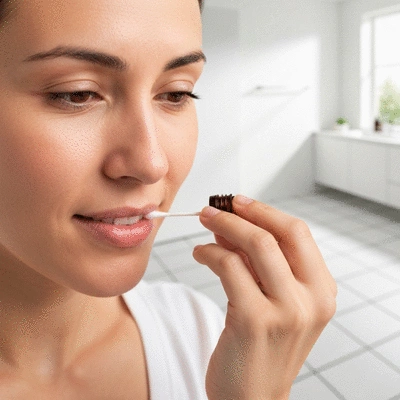
If you're looking for a natural remedy, consider applying a small amount of clove oil to the affected area. Clove oil has been used for centuries for its analgesic properties. Just dab a little on a cotton ball and place it gently on the sore tooth. This method can be a quick soothing solution while you prepare for your dental visit.
Preserving Tooth Fragments and Avoiding Further Damage
If your tooth has shattered, it's important to preserve any fragments for your dentist to examine. Follow these steps to keep the pieces safe until you can get professional help!
Steps to Preserve Broken Tooth Pieces
Storing Fragments in Milk or Saline Solution
When dealing with broken tooth pieces, store them in either milk or a saline solution. This keeps them moist and viable for reattachment. If you don’t have these options handy, keep the fragments in your own saliva by placing them in your cheek. This small step can significantly increase the chances of saving your tooth! The National Institute of Dental and Craniofacial Research also advises preserving tooth fragments in specific solutions to maximize the chance of successful reattachment.
Protecting Yourself from Further Injury
Using Dental Wax to Cover Sharp Edges
If there are sharp edges on your broken tooth, using dental wax can help protect your mouth from cuts and irritations. You can find dental wax at most pharmacies or your nearby dentist's office. Just take a small piece and gently mold it over the sharp area – it’s a simple but effective way to keep your mouth safe!
Foods and Drinks to Avoid Until Professional Care
While you’re waiting to see a dentist, it's crucial to avoid certain foods and drinks. Here’s a quick list of what to steer clear of:
- Hard foods like nuts or hard candies
- Sticky foods that can pull on your teeth, such as candy or caramel
- Hot or cold beverages that can trigger sensitivity
Sticking to a soft diet is key right now, as it helps protect your damaged tooth from further harm!

Soft Foods for Dental Issues: What to Eat
During this time, focus on eating soft foods that are easy on your mouth. Here are some suggestions:
- Yogurt
- Mashed potatoes
- Applesauce
- Soups (that aren’t too hot!)
- Soft cooked vegetables
Eating these foods can nourish your body while keeping discomfort to a minimum. Remember, your comfort is our priority at eDentistNearMe, and we want you to feel your best as you find the right dental care!
Frequently Asked Questions About Chipped or Broken Teeth
Here are some common questions regarding dental emergencies involving chipped or broken teeth:
- Q: What should I do immediately after chipping or breaking a tooth?
- A: Immediately rinse your mouth with warm water, apply gentle pressure with gauze if there's bleeding, and use a cold compress on your cheek to reduce swelling.
- Q: How can I preserve a broken tooth fragment?
- A: Store the fragment in milk, saline solution, or your own saliva to keep it moist and increase the chances of successful reattachment by a dentist.
- Q: What can I use for pain relief before seeing a dentist?
- A: Over-the-counter pain relievers like ibuprofen or acetaminophen can help. You can also apply a small amount of clove oil to the affected area for natural pain relief.
- Q: What foods should I avoid with a chipped tooth?
- A: Avoid hard, sticky, or extremely hot/cold foods and beverages. Stick to a soft diet to prevent further damage or sensitivity.
- Q: Why is it important to see a dentist quickly for a chipped tooth?
- A: Prompt professional care can prevent potential infections, ensure proper treatment for pain, and maximize the chances of saving the damaged tooth.
Interactive Poll: We Want to Hear From You!
After reading about the immediate steps to take for a chipped or broken tooth, what do you think is the most crucial action to take first? Let us know your thoughts!
Summarizing Key Actions for Managing a Broken or Chipped Tooth
When faced with a broken or chipped tooth, the first step is staying calm and taking the right actions. Remember, your comfort and health come first! It’s all about knowing what to do until you can reach a professional. Follow these key actions:
- Rinse your mouth gently with warm water.
- Control any bleeding using clean gauze.
- Apply a cold compress to reduce swelling.
- Preserve any tooth fragments in milk or saline solution.
- Use dental wax to protect sharp edges.
By taking these steps, you can manage the situation effectively and minimize further damage. Always remember, the right actions can make a big difference in your recovery journey!
Taking Control of Your Dental Health in Emergency Situations
In emergency situations, it’s essential to take charge of your dental health. I often emphasize to my patients that knowledge is power! Understanding the immediate actions you can take not only alleviates pain but also enhances your overall experience. So, if you ever find yourself in distress, keep these tips in mind:
- Stay calm and assess the situation.
- Use over-the-counter pain relief if necessary.
- Seek dental help promptly for severe cases.
Your health should always be a priority. At eDentistNearMe, we’re here to ensure you have all the resources you need to make swift decisions!
Encouragement to Seek Professional Care Promptly
Don’t underestimate the importance of getting professional dental care as soon as possible. Dental emergencies can escalate quickly, and addressing them promptly is crucial. I always advise my patients to not wait until the pain becomes unbearable. Trust your instincts! If you’re in doubt, it’s better to consult a dentist. Here are a few reasons to seek professional care:
- Prevent potential infections.
- Receive appropriate treatment for pain relief.
- Ensure proper care for your damaged tooth.
Remember, at eDentistNearMe, you can find an emergency dentist available 24/7, ensuring your prompt care and peace of mind.
Additional Resources and Support for Dental Emergencies
Sometimes, knowledge isn’t just about immediate actions—it also involves understanding where to find help and resources. It’s essential to know that support is available, especially during dental emergencies. Here are some valuable resources you might find helpful:
- Local dental clinics and their emergency care information.
- Online dental platforms like eDentistNearMe for finding immediate care.
- Community health resources that offer dental support.
Where to Find More Information and Help
When a dental emergency arises, having access to reliable information is crucial. At eDentistNearMe, we provide valuable insights on how to handle various dental issues. Whether it’s finding a dentist or learning about treatments, our platform is designed to connect you with the right resources.
Engaging with Your Dentist: Questions to Ask
Don’t hesitate to ask questions when you consult with your dentist regarding your dental emergencies! Here are some important questions that will help you get the most out of your visit:
- What treatment options are available for my condition?
- Are there any preventative measures I should take?
- What signs should I monitor after treatment?
Your dentist will appreciate your proactive approach, and it will help you feel more comfortable about your care!
Understanding Dental Insurance Coverage for Emergency Care
It’s also vital to understand your dental insurance coverage when you face emergencies. Many plans cover a portion of emergency care, but it’s good to be informed. I recommend checking the details of your policy to know:
- What constitutes an emergency under your plan?
- Coverage limits for emergency dental treatments.
- Preferred providers in your network for urgent care.
Understanding your coverage can ease the stress of unexpected costs and ensure that you can focus on what really matters—your health!
Recap of Key Points
Here is a quick recap of the important points discussed in the article:
- Rinse your mouth gently with warm water to clean the area and soothe discomfort.
- Control any bleeding by applying gentle pressure with clean gauze.
- Use a cold compress on the outside of your cheek to reduce swelling.
- Preserve any broken tooth fragments in milk or saline solution.
- Protect sharp edges of a broken tooth with dental wax to avoid cuts.
- Avoid hard or sticky foods and stick to a soft diet until you see a dentist.