Same-Day Emergency Dental Appointments
When dental emergencies strike, knowing how to respond can be the difference between pain and relief. Timely action is crucial, and being informed empowers you to navigate these situations effectively.
What You Will Learn
- Recognize the signs of a dental emergency, such as severe pain, swelling, or bleeding.
- Identify common types of dental emergencies, including tooth fractures and abscesses.
- Understand the importance of seeking immediate dental care to prevent complications.
- Learn proactive measures to prepare for potential dental emergencies, including keeping an emergency dentist list handy.
Understanding Same-Day Emergency Dental Needs
This visual summarizes the key aspects of dental emergencies, from identifying urgent symptoms to understanding the importance of immediate care and proactive management.
Identify Urgent Needs
Dental Emergency Symptoms
- • Severe toothache
- • Swelling/bleeding
- • Knocked-out/Broken teeth
- • Infections/Abscesses
Importance of
Immediate Dental Care
- • Prevents tooth loss
- • Stops infection spread
- • Less invasive treatment
- • Protects overall health
Immediate Actions for
Common Toothaches
- • Rinse with saltwater
- • OTC pain relievers
- • Cold compress
- • Avoid hot/cold foods
Proactive Dental Health
Management & Tools
- • Regular check-ups
- • Emergency dental kit
- • Online booking
- • Follow-up care
Understanding Same-Day Emergency Dental Appointments
When faced with a dental emergency, understanding what constitutes urgent care can make a significant difference in your recovery. At eDentistNearMe, we prioritize your immediate dental needs by connecting you with professionals ready to assist you 24/7. So, what exactly qualifies as a dental emergency?
What Constitutes a Dental Emergency?
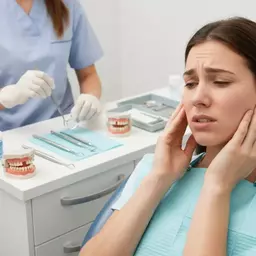
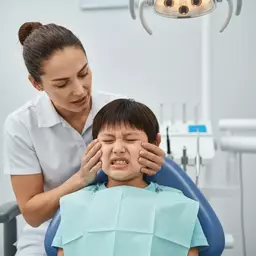
A dental emergency is often characterized by severe discomfort or injury that requires prompt attention. Knowing the symptoms can help you act quickly. Here are some common situations you might encounter:
- Severe toothache or pain
- Knocked-out or broken teeth
- Infections or abscesses causing swelling
- Dental trauma from accidents or injuries
Recognizing these issues allows you to seek help before complications arise, ensuring that you can get back to your routine as soon as possible!
Common Types of Dental Emergencies
Dental emergencies can manifest in various forms, each presenting unique challenges. Some of the most prevalent types include:
- Tooth Fractures: These can happen due to accidents or biting hard foods.
- Abscess: A painful infection at the root of a tooth or between the gum and a tooth.
- Lost Fillings or Crowns: If a crown or filling falls out, it can expose sensitive areas of the tooth.
- Wisdom Teeth Issues: Impacted wisdom teeth can lead to significant pain and swelling.
Being aware of these emergencies can empower you to act decisively when it matters most. Remember, prompt attention is key!
Recognizing Urgent Dental Needs
It’s essential to understand when to seek urgent dental care. If you're experiencing symptoms such as persistent pain, swelling, or bleeding, don’t hesitate to reach out. The sooner you can contact a dentist, the better your chances are of preventing further damage. At eDentistNearMe, we make it easy to find emergency dentists who can provide the care you need right away! The NHS provides a clinical standard for urgent dental care, emphasizing the importance of timely intervention for such conditions.
The Importance of Immediate Dental Care
Why is it so critical to seek immediate dental care? Simply put, timely treatments can save your teeth and alleviate pain. When you address dental issues promptly, you avoid complications that could lead to more extensive treatments down the line.
How Timely Treatments Can Save Teeth
Receiving effective care quickly can make all the difference. Not only does it help with immediate pain relief, but it also can prevent:
- Tooth loss
- Infections from spreading
- More invasive procedures later
Acting fast allows for simpler, less expensive treatments, promoting better long-term outcomes for your dental health! For instance, research published in PubMed highlights the importance of immediate care in managing dental trauma to improve prognosis and reduce complications.
Impact on Overall Health and Well-Being
Dental health is closely linked to overall health. If ignored, dental emergencies can lead to complications. This can include the risk of infections that may affect your general health, so it’s essential to take symptoms seriously. By getting timely dental care, you are not only protecting your smile but also your overall wellness. The National Center for Biotechnology Information (NCBI) offers comprehensive insights into the systemic implications of oral infections, underscoring the critical link between oral and systemic health.
Urgent Dental Care: When to Seek Help
Knowing when to seek urgent dental care is crucial for your health. Here are some symptoms that should prompt you to look for same-day dental services:
Identifying Symptoms Requiring Same-Day Service
Look out for these signs indicating you need to see a dentist right away:
- Severe or persistent tooth pain
- Swollen or bleeding gums
- Dental trauma or injury
- Fever, which can signal an infection

If you experience any of these symptoms, it’s essential to act quickly. At eDentistNearMe, we're here to connect you with the right professionals to provide immediate assistance!
Common Causes of Toothache and Immediate Actions
Toothaches can arise from various issues, including cavities, gum disease, or injury. Here’s what you can do while you wait for your appointment:
- Rinse your mouth with warm saltwater
- Take over-the-counter pain relievers
- Apply a cold compress to the outside of your cheek
- Avoid very hot, cold, or sugary foods
These actions can help alleviate discomfort until you receive professional care!
Frequently Asked Questions (FAQs)
- What constitutes a dental emergency?
- A dental emergency is typically characterized by severe pain, swelling, bleeding, knocked-out or broken teeth, or infections/abscesses requiring immediate attention.
- Why is immediate dental care important?
- Immediate dental care is crucial for pain relief, preventing tooth loss, stopping the spread of infection, reducing the need for more invasive treatments, and protecting your overall health.
- What are common types of dental emergencies?
- Common types include tooth fractures, abscesses, lost fillings or crowns, and issues related to impacted wisdom teeth.
- What should I do if I have a severe toothache?
- While waiting for your appointment, you can rinse your mouth with warm saltwater, take over-the-counter pain relievers, apply a cold compress to your cheek, and avoid very hot, cold, or sugary foods.
- How can I prepare for a potential dental emergency?
- You can prepare by knowing the signs of a dental emergency, having a list of local emergency dentists, understanding the booking process for immediate care, and keeping an emergency dental kit with items like a cold pack and pain relievers.
We Want to Hear From You!
What do you think about your experience with dental emergencies? Have you ever faced a situation where quick access to care made a difference? Share your thoughts below:
Summarizing Your Same-Day Emergency Dental Experience
After navigating a same-day emergency dental appointment, it's essential to reflect on key aspects that can help you in future dental emergencies. Understanding your experience not only prepares you for the unexpected but also empowers you to take control of your dental health. Let’s break it down into manageable insights!
Key Takeaways for Future Dental Emergencies
First and foremost, always be prepared for sudden dental issues. Here are some critical takeaways from my experiences:
- Know the signs of a dental emergency: severe pain, swelling, or bleeding.
- Have a list of local emergency dentists saved on your phone.
- Understand the booking process for immediate care to save time during a crisis.
- Don’t hesitate to reach out for help at the first sign of trouble!
By staying informed, you can act quickly when faced with an urgent situation. Remember, timely intervention is crucial in minimizing complications.
Staying Prepared for Unexpected Dental Issues
Keeping a proactive mindset can make all the difference! As a dental professional, I've seen how preparedness can alleviate anxiety. Regularly check in with your dental health, and consider carrying an emergency dental kit with items like:
- A cold pack for swelling
- Pain relievers for discomfort
- Dental floss for potential blockage

Having these items on hand can ease your worries in case of an unexpected issue. It’s all about being equipped!
Understanding When to Seek Immediate Care
Knowing when to seek immediate care is just as important as being prepared. Signs that indicate you need to visit a dentist ASAP include:
- Persistent tooth pain that doesn’t subside
- Infections or abscesses
- Injury to your mouth or teeth
If any of these situations arise, don't wait! Reach out to eDentistNearMe to find a trusted emergency dentist available 24/7. Your dental health is our priority!
Encouraging Proactive Dental Health Management
We know that maintaining your dental health goes beyond emergency visits. Building a relationship with your emergency dentist not only makes you feel more comfortable but also ensures continuity of care.
Building a Relationship with Your Emergency Dentist
Getting to know your emergency dentist can be invaluable. Here’s how you can foster that relationship:
- Schedule regular check-ups to build rapport.
- Discuss your medical history and any concerns openly.
- Ask about their approach to emergency care and how they can help you.
By establishing this connection, you’ll feel more at ease should an emergency arise. After all, trust is key in any healthcare relationship!
Finding an Emergency Dentist Near You
With eDentistNearMe, locating an emergency dentist is a breeze. Just enter your location, and you’ll receive a list of licensed professionals ready to assist you. It’s like having a dental safety net right at your fingertips!
Utilizing Technology for Quick Access to Care
Technology plays a vital role in modern dental care! Many clinics offer:
- Online booking options for convenience
- Virtual consultations for quick advice
- Instant messaging features for any questions you might have
These tools can make accessing care smoother and faster, especially in emergencies. So, don’t hesitate to use them!
Dental Resources for Continuous Oral Health
Maintaining a proactive approach to your dental health is essential. Remember, prevention is always better than cure! Regular check-ups can greatly reduce the risk of encountering a dental emergency down the line.
Importance of Regular Dental Check-ups and Cleanings
Keeping up with your dental appointments is key! Scheduling check-ups at least twice a year can help catch potential issues early. This way, you avoid those late-night dental crises!
Follow-Up Care After an Emergency Visit
After experiencing a dental emergency, follow-up care is critical. Always ensure you:
- Follow the aftercare instructions provided by your dentist.
- Schedule a follow-up appointment to assess your recovery.
- Communicate any concerns that arise post-treatment.
Staying proactive in your recovery can make all the difference in your healing process.
Call to Action: Secure Your Emergency Appointment Today
If you ever find yourself in need of emergency dental care, don’t hesitate! It’s crucial to act swiftly to protect your smile.
Steps to Take for Immediate Care
When facing a dental emergency, here's what you should do:
- Assess your symptoms honestly.
- Contact eDentistNearMe to find a nearby emergency dentist.
- Follow their instructions for immediate care.
Taking these steps can help ensure you receive the care you need right when you need it!
Links to Online Booking and Contact Information
For your convenience, visit eDentistNearMe.com to access our online booking system. You’ll find all the information necessary to connect with a trusted emergency dentist in your area. Don’t wait—secure your appointment today and take control of your dental health!
Recap of Key Points
Here is a quick recap of the important points discussed in the article:
- Recognize the signs of a dental emergency: severe pain, swelling, or bleeding.
- Contact an emergency dentist immediately when experiencing symptoms such as persistent tooth pain or dental trauma.
- Be proactive by keeping a list of local emergency dentists and understanding the booking process for urgent care.
- Timely treatment can prevent complications like tooth loss and the need for more invasive procedures.
- Maintain regular dental check-ups to reduce the risk of emergencies and ensure a healthy smile.