Common Dental Emergencies and Solutions
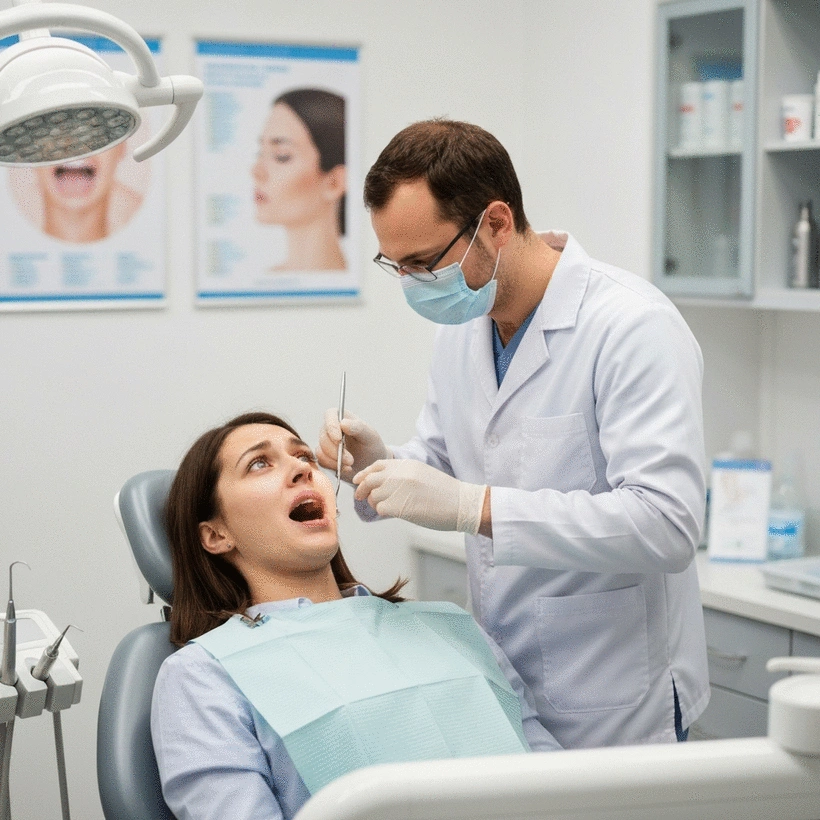
Every second counts in a dental emergency, and knowing how to respond can help save your smile. When faced with sudden pain or injury, are you prepared to act swiftly? Understanding the signs, causes, and immediate steps you can take will empower you to manage these situations more effectively.
What You Will Learn
- Recognize the key signs of a dental emergency, including severe pain and bleeding.
- Identify common causes of dental emergencies, such as sports injuries and tooth decay.
- Understand the five most common dental emergencies and appropriate responses.
- Learn essential follow-up care tips to support recovery after an emergency.
- Discover how to locate emergency dental services quickly and what to expect during a visit.
- Prepare for future emergencies by building a dental emergency kit and accessing educational resources.
Top 5 Common Dental Emergencies
Familiarizing yourself with the top five common dental emergencies equips you to handle them effectively. Each requires specific actions to minimize damage and discomfort.
Severe Toothache
Often a sign of deep decay or infection, requiring immediate dental assessment.
Learn More →Knocked-Out Tooth
Time-sensitive injury where quick action can mean saving the tooth.
Learn More →Cracked or Broken Tooth
Can lead to pain, sensitivity, and further damage if not treated promptly.
Learn More →Dental Abscess
A serious infection that can spread and impact overall health if ignored.
Learn More →Lost or Damaged Dental Work
Can expose teeth to further damage and affect bite function.
Learn More →Understanding Dental Emergencies: Why Immediate Action Matters
When it comes to dental emergencies, timely intervention can make a world of difference! Understanding what constitutes a dental emergency and recognizing the signs can save you from unnecessary pain and complications. It’s essential to act quickly when facing these situations to protect your oral health and overall well-being.
As a dental professional, I see firsthand the impact that prompt action can have. Many individuals wait too long to seek help, often leading to more complex issues. By knowing what to look for and how to respond, you can ensure that you’re prepared for any dental crisis that may arise!
The Importance of Recognizing Dental Emergencies
Recognizing a dental emergency is critical for preventing further damage. Dental emergencies can arise suddenly and may present in various forms, such as severe pain, bleeding, or visible damage to teeth. The quicker you can identify these issues, the better chance you have of minimizing complications.
- Severe tooth pain or discomfort
- Knocked-out or loose teeth
- Bleeding or swelling in the gums
- Cracked or broken teeth
- Dental abscess or infection
Being aware of these signs allows you to take immediate action, such as contacting a dentist or visiting an emergency care facility. This knowledge can significantly impact the outcome of your dental health! For further insights into acute dental pain management, refer to guidelines from reputable sources like the University of Pittsburgh School of Dental Medicine.
Common Causes Behind Dental Emergencies
Understanding the common causes of dental emergencies can help you stay vigilant. Accidents and unexpected events are often at the heart of these urgent situations. Here are a few frequent culprits:
- Sports injuries or falls
- Decay leading to severe pain
- Ill-fitting dental work (like crowns or bridges)
- Sinus infections that may cause tooth pain
- Grinding teeth (bruxism) causing fractures
By recognizing these potential causes, you can take steps to prevent them or at least be prepared to handle them when they occur. Remember, staying informed is a key part of maintaining your dental health! For more information on dental injuries and what to do, resources such as the National Center for Biotechnology Information (NCBI) offer comprehensive guidance.
Identifying the Top 5 Common Dental Emergencies
Now that we’ve covered the fundamentals, let’s dive into the top five common dental emergencies. Familiarizing yourself with these situations equips you to handle them effectively. Here’s a quick overview:
- Severe Toothache
- Knocked-Out Tooth
- Cracked or Broken Tooth
- Dental Abscess
- Lost or Damaged Dental Work
Each of these emergencies requires specific actions and care to minimize damage and discomfort. As we explore each of these in detail, you’ll gain a deeper understanding of how to respond effectively when faced with a dental crisis.
Pro Tip
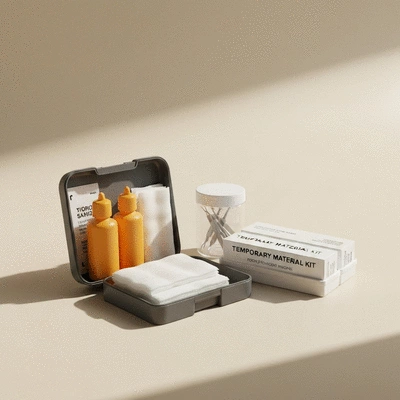
Did you know? Keeping a dental emergency kit at home can significantly reduce stress during a crisis. Include essentials like temporary filling material, over-the-counter pain relievers, salt for rinsing, and a small container for a knocked-out tooth. Being prepared can save you valuable time and ensure you’re ready to handle unexpected situations!
Frequently Asked Questions About Dental Emergencies
What constitutes a dental emergency?
A dental emergency typically involves severe pain, bleeding, swelling, or visible damage to teeth or gums, requiring immediate professional attention to prevent further complications.
What are the most common dental emergencies?
The five most common dental emergencies include severe toothaches, knocked-out teeth, cracked or broken teeth, dental abscesses, and lost or damaged dental work.
What should I do if I have a knocked-out tooth?
If a tooth is knocked out, pick it up by the crown (not the root), rinse it gently if dirty, and try to reinsert it into the socket. If that's not possible, place it in milk or a tooth-saving solution and see a dentist immediately. Time is critical for saving the tooth.
How can I find an emergency dentist near me?
You can use resources like eDentistNearMe to search for local emergency dentists. It's also advisable to check online reviews and call ahead to confirm availability and services.
What items should be in a dental emergency kit?
A dental emergency kit should include temporary filling material, over-the-counter pain relievers, salt for rinsing, and a small container to store a knocked-out tooth.
Taking the Next Steps After a Dental Emergency
Experiencing a dental emergency can be overwhelming, but knowing the right steps to take afterward is essential for your recovery. Follow-up care is crucial, as it ensures that any issues are addressed properly and helps prevent further complications. Let’s dive into the key actions you can take to support your recovery and work with your dentist on treatment options.
Follow-Up Care and Recovery Tips
After your immediate dental emergency is handled, it's time to focus on recovery. Here are some important follow-up care tips you might find helpful:
- Keep the affected area clean—maintain good oral hygiene to promote healing.
- Avoid hard foods or any items that could irritate the injured area until advised otherwise.
- Take any prescribed medication as directed to manage pain or prevent infection.
- Attend all follow-up appointments to monitor your recovery.
It’s also a good idea to monitor your symptoms closely. If you notice increased pain or swelling, reach out to your dentist right away. Remember, at eDentistNearMe, we can help you find a local emergency dentist who can provide ongoing care as you heal!
Understanding Your Treatment Options with Your Dentist
Every dental emergency is unique, which means treatment options may vary. It's important to have a conversation with your dentist about your situation. Here are a few common treatment options you might discuss:
- Fillings for cavities or broken teeth
- Crowns to restore the shape and functionality of damaged teeth
- Root canal therapy for severe pain and to save an infected tooth
- Extractions for teeth that cannot be saved
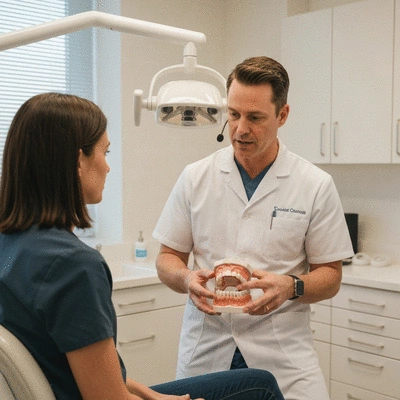
At eDentistNearMe, we emphasize the importance of personalized care. Don't hesitate to ask questions or express any concerns during your appointment. It’s your health, and you deserve to feel confident about your treatment choices! For further reading on various dental treatments, the National Institutes of Health (NIH) provides extensive resources.
Your Local Emergency Dental Services: Finding Help Fast
When a dental emergency strikes, knowing where to turn for help is vital. Thankfully, finding emergency dental services has never been easier! Let’s explore how you can quickly locate the right care when you need it most.
How to Locate an Emergency Dentist Near You
Time is of the essence during a dental emergency! Here’s how you can find an emergency dentist in your area:
- Visit eDentistNearMe and enter your location for a list of nearby emergency dentists.
- Check online reviews and ratings to gauge other patients’ experiences.
- Call ahead to confirm availability and ensure they can handle your specific emergency.
- Ask about any initial consultations or assessments they may offer.
These steps can help you find trustworthy professionals who can address your dental needs promptly. Don’t hesitate to reach out—your smile deserves the best care!
What to Expect During an Emergency Dental Visit
Understanding what happens during an emergency dental visit can ease your anxiety. Here’s a brief overview of what you can typically expect:
- A thorough examination of the affected area to assess the issue
- X-rays, if necessary, to get a clear picture of underlying problems
- A discussion of your treatment options and any immediate interventions needed
- Follow-up instructions to ensure proper healing
Knowing the process can help you feel more prepared and less anxious. Remember, at eDentistNearMe, we connect you with professionals who prioritize your comfort and well-being!
Emergency Dental Hotline: When You Need Immediate Guidance
Sometimes, you might need quick advice before heading to the dentist. That’s where an emergency dental hotline can be invaluable! Here are some reasons to use this resource:
- Get immediate advice on managing pain or injury
- Receive guidance on whether you need urgent care
- Access to professionals who can help you find local emergency services
Utilizing a hotline can provide peace of mind and help you make informed decisions about your dental health. Don't hesitate to call for assistance when you need it!
Ensuring Preparedness for Future Dental Emergencies
Being prepared for dental emergencies can save you time and stress in the future. Creating a plan and having the right resources at home can make a significant difference. Let’s look at how you can get started.
Building a Dental Emergency Kit at Home
Having a dental emergency kit at the ready can be a lifesaver! Here are some essential items to include:
- Temporary filling material to address minor issues
- Over-the-counter pain relievers for immediate relief
- Salt for rinsing and cleaning wounds
- A small container to store a knocked-out tooth
By having these items on hand, you'll feel more prepared to handle unexpected situations. At eDentistNearMe, we believe that prevention and preparedness are key components of good dental health!
Education and Resources for Further Learning
Staying informed is crucial when it comes to your oral health. Here are some valuable resources for learning more about dental emergencies:
- Your dentist's website—many have sections dedicated to common dental emergencies.
- Online health platforms, like the American Dental Association, which offer reliable information.
- Educational videos on platforms like YouTube that demonstrate first aid for dental issues.
Empowering yourself with knowledge can enhance your confidence and preparedness. Don't hesitate to reach out for more information—at eDentistNearMe, we’re here to guide you every step of the way!
Recap of Key Points
Here is a quick recap of the important points discussed in the article:
- Recognize the signs of dental emergencies, including severe pain, bleeding, and visible damage to teeth.
- Common causes of dental emergencies include sports injuries, decay, and ill-fitting dental work.
- The top five common dental emergencies to be aware of are severe toothache, knocked-out tooth, cracked or broken tooth, dental abscess, and lost or damaged dental work.
- Post-emergency care is crucial; maintain hygiene, avoid irritants, take prescribed medications, and attend follow-ups.
- Creating a dental emergency kit at home can help you be prepared for unexpected situations.