Understanding Dental Pain Medications
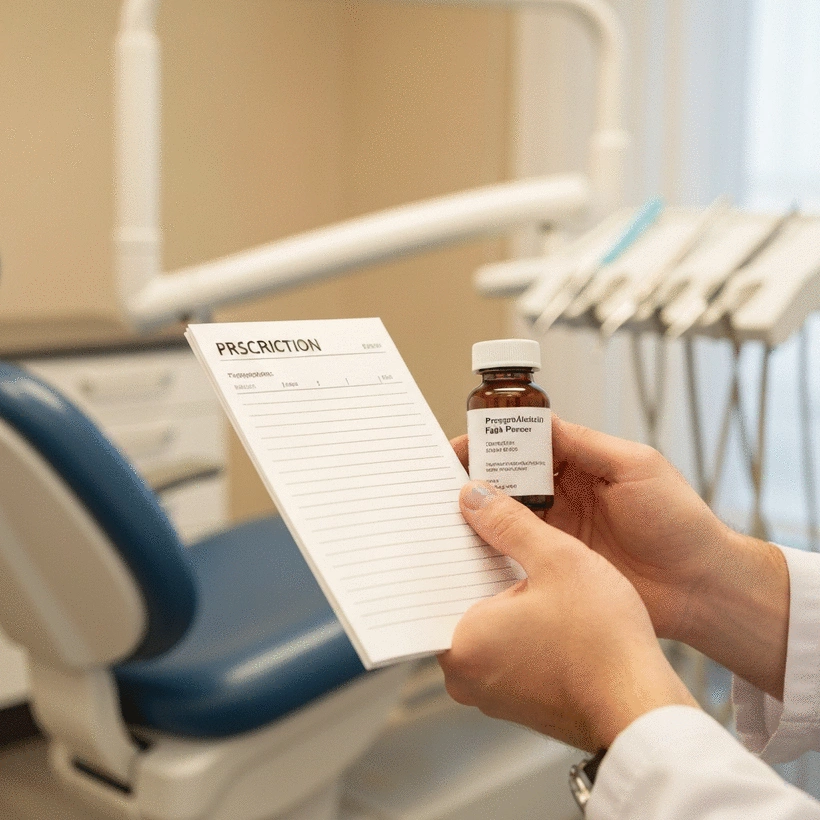
Did you know that understanding how to manage dental pain can significantly improve your overall experience during emergencies? Effective pain management not only alleviates discomfort but also promotes quicker recovery. Let's dive into the essential strategies for tackling dental emergencies head-on!
What You Will Learn
- Acute dental pain can stem from various issues, including cavities, gum infections, and dental procedures.
- First-line treatments for dental pain often include non-opioid medications like NSAIDs and acetaminophen.
- Opioids may be necessary for severe pain, but they should be used cautiously and under professional guidance.
- Alternative pain relief methods, such as cold compresses and relaxation techniques, can be effective in managing discomfort.
- It's essential to tailor medication dosages based on the severity of pain for optimal relief.
- Integrating antibiotics with pain management can help address underlying infections that cause pain.
- Consultation with a dental professional is crucial for personalized pain management plans and to avoid complications.
Dental Pain Management Strategies and Dosing Guide
Understanding pain relief options and appropriate dosages for dental emergencies.
Pain Management Strategies
- Non-Opioids (NSAIDs, Acetaminophen)
- Opioids (Severe Pain, Short-term)
- Alternative Options (Cold Compresses, Relaxation)
Typical Dosing Guidelines
| Medication | Dosage | Frequency |
|---|---|---|
| Ibuprofen | 200-400 mg | Every 4-6 hrs |
| Acetaminophen | 500-1000 mg | Every 6-8 hrs |
| Oxycodone | 5-10 mg | Every 4-6 hrs |
*Always consult with a healthcare provider for personalized recommendations.
Understanding Prescription Pain Medication for Dental Emergencies
Dental emergencies can strike at any moment, often bringing with them acute pain that can disrupt daily life. Common types of acute dental pain include toothaches caused by cavities, gum infections, and pain from recent dental procedures. Each of these issues can lead to discomfort that requires immediate attention and relief.
When you're in pain, it's essential to understand that there are effective ways to manage it. Whether it’s a persistent toothache or discomfort following a procedure, knowing how to address this pain can make a significant difference in your overall experience. Let's explore the best approaches to managing dental pain effectively!
Overview of Acute Dental Pain and Its Impact
- Toothaches from cavities or decay
- Pain from dental procedures like extractions or fillings
- Gum infections causing swelling and discomfort
Acute dental pain can negatively impact your quality of life, making it difficult to eat, sleep, or concentrate. In my experience at eDentistNearMe, I’ve seen how dental pain can lead to increased anxiety. Addressing these painful issues swiftly is crucial not just for comfort, but for your overall health too!
Primary Pain Management Strategies
Managing dental pain effectively often begins with understanding the different types of pain relief available. Typically, we categorize these into two main types: non-opioid and opioid medications. It's vital to know when to use each type and how they can help alleviate your pain.
Non-Opioid First-Line Treatments
Non-steroidal anti-inflammatory drugs (NSAIDs) and acetaminophen are commonly recommended as first-line treatments for dental pain. These medications are preferred due to their safety profile and efficacy in reducing inflammation and pain. Research on pain management guidelines, such as those published by the National Institutes of Health, often highlights the effectiveness of non-opioids for dental-related discomfort.
- NSAIDs: Help reduce inflammation and pain, commonly used for toothaches.
- Acetaminophen: Effective for pain relief without the anti-inflammatory properties of NSAIDs.
As a dental professional, I often recommend starting with these options before considering stronger medications. They can offer significant relief with minimal side effects!
Opioids: When They Are Necessary
In severe cases, opioids may be necessary for pain management. These medications can provide relief when other treatments are ineffective but come with risks, especially concerning long-term use. Guidelines suggest using opioids only for short durations and under strict supervision. The American Dental Association (ADA) provides comprehensive guidelines on appropriate opioid prescribing practices for dental pain, emphasizing their limited and cautious use.
It's essential to consider the potential for addiction and other side effects when using these medications. Always consult with a healthcare provider about the best approach for your situation. Remember, managing your pain effectively while minimizing risks is a priority!
Alternative Pain Relief Options
In addition to medications, there are several alternative pain relief options that can be effective. These include non-pharmacological methods such as:
- Cold compresses to reduce swelling and numb pain
- Relaxation techniques to manage anxiety associated with dental pain
- Sedation dentistry for more significant procedures to enhance comfort
These methods can complement traditional pain management strategies and help create a more comfortable experience. Knowing these options can empower you in your journey to relief!
Dosing Guidelines for Pain Medication
Understanding the appropriate dosages for pain medications is crucial for effective dental pain management. The right dosage can vary based on the severity of pain. Let's break this down!
Dosing by Pain Level
It’s essential to tailor the dosing to the level of pain you’re experiencing. Here’s a simple guideline:
- Mild Pain: NSAIDs or acetaminophen may suffice.
- Moderate Pain: Increasing NSAID dosages or considering low-dose opioids.
- Severe Pain: High-dose opioids may be warranted, but always under professional guidance.
By following these guidelines, you can manage your dental pain effectively and safely!
Typical Dosing Examples
Here’s a quick reference for typical dosages of common medications:
| Medication | Recommended Dosage | Frequency |
|---|---|---|
| Ibuprofen | 200-400 mg | Every 4-6 hours |
| Acetaminophen | 500-1000 mg | Every 6-8 hours |
| Oxycodone (Opioid) | 5-10 mg | Every 4-6 hours |
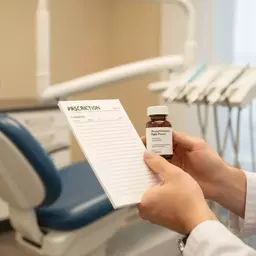
This table provides a quick overview, but always consult your dentist or healthcare provider for personalized recommendations.
Ibuprofen Dosage and Administration
When it comes to managing dental pain, ibuprofen is a well-regarded choice. The typical dosage for adults is 400 mg every 6 hours, but it’s crucial to consider individual health factors, such as allergies or pre-existing conditions. Research, such as that published in Frontiers in Pharmacology, often supports ibuprofen's effectiveness as a first-line treatment for acute pain.
Remember, taking ibuprofen with food can help prevent stomach upset. If you have any concerns about dosage or interactions with other medications, don’t hesitate to reach out to us at eDentistNearMe for guidance!
Integrating Other Treatments
In many cases, managing dental pain also involves addressing any underlying infections. Antibiotics can play a crucial role in treating dental infections and should be considered alongside pain medications.
- Antibiotics help eliminate infections that cause pain.
- They can prevent further complications and reduce the need for more invasive treatments.
By integrating antibiotics with pain management strategies, we can enhance recovery and comfort for our patients. Remember, it’s always best to consult with a professional to develop a comprehensive treatment plan tailored to your needs!
Pro Tip
Did you know? Combining NSAIDs with acetaminophen can provide enhanced pain relief for dental emergencies? This approach can be particularly effective for managing acute pain, as they work through different mechanisms. Always consult your dentist before starting any new medication regimen!
Frequently Asked Questions (FAQs) about Dental Pain Management
Q: What are the most common causes of acute dental pain?
A: Acute dental pain typically stems from issues like cavities, gum infections, and discomfort following dental procedures such as extractions or fillings.
Q: What are first-line treatments for dental pain, and why are they preferred?
A: Non-opioid medications like NSAIDs (e.g., ibuprofen) and acetaminophen are considered first-line treatments. They are preferred due to their effectiveness in reducing inflammation and pain with a relatively safe profile and minimal side effects.
Q: When are opioids necessary for dental pain, and what are the precautions?
A: Opioids may be necessary for severe dental pain when non-opioid treatments are insufficient. They should be used cautiously, for short durations, and strictly under professional guidance due to risks of addiction and other side effects.
Q: Are there any alternative, non-pharmacological methods for dental pain relief?
A: Yes, alternative methods include applying cold compresses to reduce swelling and numb pain, utilizing relaxation techniques to manage associated anxiety, and considering sedation dentistry for more complex procedures.
Q: How should medication dosages be determined for dental pain?
A: Dosages should be tailored to the severity of the pain. Mild pain might only require NSAIDs or acetaminophen, moderate pain might involve increased NSAID dosages or low-dose opioids, and severe pain may warrant high-dose opioids, always under professional supervision.
Q: Why is it important to integrate antibiotics with pain management for dental issues?
A: Antibiotics are crucial when dental pain is caused by an underlying infection. They help eliminate the infection, prevent complications, and can reduce the need for more invasive treatments, enhancing both recovery and comfort.
Q: Why is professional consultation important for dental pain management?
A: Consulting a dental professional is vital for personalized pain management plans. They can accurately diagnose the cause of pain, recommend the most effective treatments, prescribe appropriate medications, and help avoid potential complications or misuse of drugs.
Final Thoughts on Pain Management for Dental Emergencies
When it comes to managing pain during dental emergencies, understanding the various pain management strategies is crucial. Each patient's experience is unique, which underscores the importance of individualized treatment plans tailored to meet specific needs. Whether it's a minor toothache or a more severe condition, the right approach can significantly enhance comfort and recovery.
Throughout this article, we’ve explored a variety of methods for pain relief, including both pharmacological and non-pharmacological options. Remember, effective pain management not only eases discomfort but also promotes quicker healing and overall well-being!
Importance of Following Clinical Guidelines
Adhering to clinical guidelines is essential for ensuring safe and effective pain management. These guidelines are designed based on extensive research and clinical experience, aiming to provide the best outcomes for patients. It's vital to consult with a healthcare provider for personalized recommendations that consider your unique circumstances.
- Follow prescribed dosages for medications.
- Engage in open discussions with your dentist about your pain levels.
- Stay informed about potential side effects and interactions.
Staying informed helps you manage your expectations and can lead to a more positive overall experience during dental procedures. At eDentistNearMe, we emphasize the importance of connecting with trusted dental professionals who can guide you through these recommendations.
Encouragement to Seek Professional Help
It's always wise to consult with a dental professional regarding any concerns related to pain management and prescription medications. The expertise of a dentist can help clarify your options and determine the best course of action tailored to your needs. If you're facing tooth pain or other dental emergencies, don’t hesitate to reach out to your local emergency dentist through our platform.
- Utilize our service to find an emergency dentist available 24/7.
- Consider online consultations for immediate advice on pain management.
- Don’t ignore severe pain – immediate care can prevent further complications!
Seeking professional help not only addresses your immediate needs but also contributes to your long-term dental health. Remember, you don’t have to face dental emergencies alone; we're here to assist you!
Patient Education on Pain Management
Understanding your options is a key component of effective pain management. Patient education plays a significant role in how well you adhere to medication regimens and manage discomfort. By learning about the various pain relief alternatives, you empower yourself to make informed decisions.
- Know the difference between over-the-counter and prescription medications.
- Understand the importance of antibiotics when dealing with dental infections.
- Be aware of non-pharmacological options, such as relaxation techniques.
At eDentistNearMe, we are passionate about promoting oral health education. By providing resources and support, we aim to help you navigate the complexities of pain management with confidence and clarity!
Recap of Key Points
Here is a quick recap of the important points discussed in the article:
- Understand the types of acute dental pain, such as toothaches, gum infections, and discomfort from procedures.
- Utilize non-opioid medications like NSAIDs and acetaminophen as first-line treatments for effective pain relief.
- Reserve opioids for severe pain and use them under strict supervision due to addiction risks.
- Incorporate alternative pain relief methods, including cold compresses and relaxation techniques, to enhance comfort.
- Follow dosing guidelines based on pain levels to tailor medication use effectively.
- Consult with a dental professional for personalized pain management plans and to address underlying infections.