Caring for Lost Filling or Crown
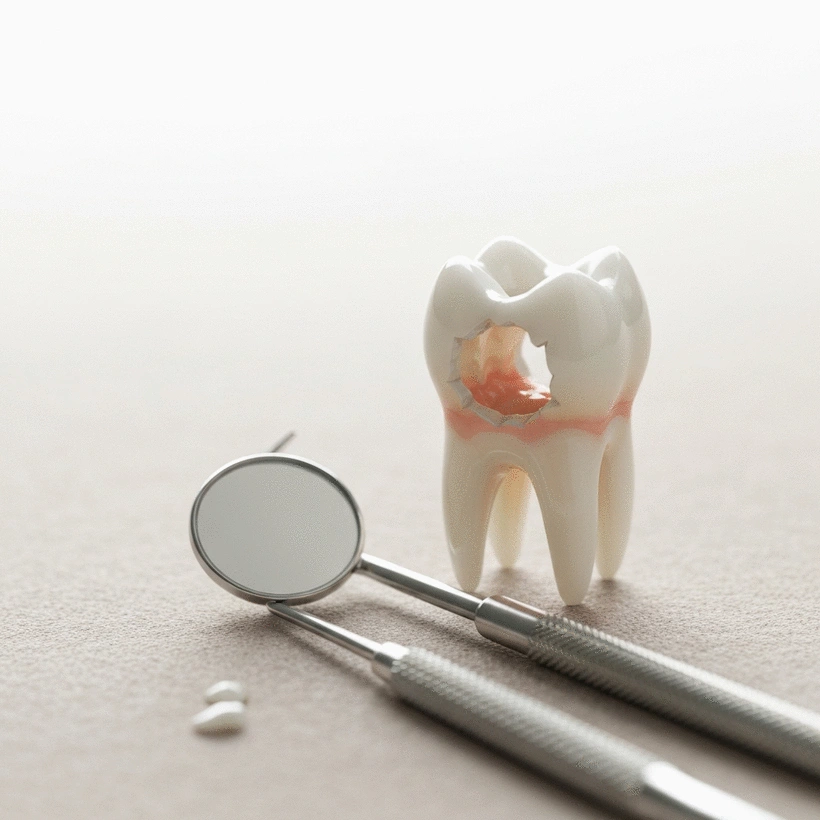
After losing a filling or crown, knowing the right steps to take can significantly impact your dental health. Here’s what you can do to manage the situation effectively and ensure a quick recovery.
What You Will Learn
- Immediate actions to take after losing a filling or crown, including assessing discomfort and contacting a dentist.
- How to differentiate between a lost filling and a lost crown, which affects the urgency of care.
- Safe cleaning methods, such as rinsing with warm salt water, to reduce infection risk.
- Temporary protection options for exposed teeth, including dental wax and clove oil, to manage discomfort.
- Essential information to prepare before your dental appointment for effective communication with your dentist.
- Understanding emergency dental care options and how to navigate dental insurance coverage during emergencies.
Immediate Steps When You Lose a Filling or Crown
Understanding the immediate actions and temporary protections you can take is crucial when you lose a filling or crown. The visual below outlines key steps and options to manage the situation until professional dental care is available.
What to Do Immediately:
- ✓ Stay calm, assess discomfort.
- ✓ Locate lost filling/crown.
- ✓ Rinse mouth gently with warm water.
- ✓ Contact an emergency dentist.
Temporary Protection Options:
- ● Temporary Dental Cement (pharmacies).
- ● Dental Wax or Sugar-Free Gum.
- ● Clove Oil (for pain relief).
- ● Dental Adhesives / Temporary Fillings.
Understanding Your Situation: Lost Filling or Crown?
When you lose a filling or crown, it can feel alarming! The first step is to understand the urgency of the situation and what to do next. Whether you're experiencing discomfort or not, addressing the issue promptly is key. Here’s a quick checklist of immediate actions to take:
- Stay calm and assess your discomfort level.
- Locate the lost filling or crown if possible.
- Rinse your mouth gently with warm water to clean the area.
- Contact an emergency dentist through eDentistNearMe to discuss your situation.
Remember, even if you’re not in pain right now, it’s essential to seek help as soon as possible. Ignoring the situation could lead to more severe issues down the road!

What to Do Immediately After Losing a Filling or Crown
After realizing that a filling or crown has come loose, the immediate steps are crucial for your oral health. First, avoid any food and drink until you can assess the situation. This helps prevent further irritation to the exposed tooth. If there's sensitivity, gently apply a cold compress to reduce discomfort, as recommended by the American Association of Endodontists.
Furthermore, don’t attempt to reinsert the crown or filling yourself. Instead, use dental wax or sugar-free gum to cover the affected area temporarily. This will provide a buffer until you can see a dentist!
Identifying the Type of Dental Emergency
Understanding whether you've lost a filling or a crown is important because it impacts the urgency of care. A lost filling typically means a small part of your tooth structure is exposed, while a lost crown signifies that the entire protective covering has come off. According to the Cleveland Clinic, prompt attention to a lost filling can prevent further complications. Here’s how to differentiate:
- Lost Filling: Usually, you may see a hole or pit in the tooth.
- Lost Crown: Often, it appears as a cap or cover that can be lifted off the tooth.
By recognizing the type of dental issue, you can communicate effectively with your dentist. This helps ensure you're treated appropriately and swiftly. Remember, at eDentistNearMe, we’re here to connect you with the right professionals who can help!
Taking Care of Your Tooth After Hours
Rinse and Assess: Cleaning Your Mouth Safely
Once you’ve confirmed a lost filling or crown, it’s crucial to keep the area clean. Rinse your mouth with a solution of warm salt water. This not only cleans the area but also helps reduce the risk of infection! Here’s how to properly rinse:
- Mix one teaspoon of salt in a glass of warm water.
- Swish the mixture gently in your mouth for about 30 seconds.
- Spit it out and repeat if needed.
After rinsing, assess the situation calmly. Are you feeling any pain? Is there any swelling? These factors will help you determine the urgency of your next steps.
Temporary Protection Options for Exposed Teeth
While waiting for professional dental care, protecting the exposed tooth is vital. Here are some temporary options to consider:
- Temporary Dental Cement: Available at pharmacies, this can help seal the area.
- Dental Wax or Gums: These can cushion the tooth and prevent further sensitivity.
- Clove Oil: A natural remedy that can provide pain relief when applied to the tooth.
These options can offer immediate comfort! Just remember, they’re not substitutes for professional care, but they can help manage discomfort until you get to a dentist.
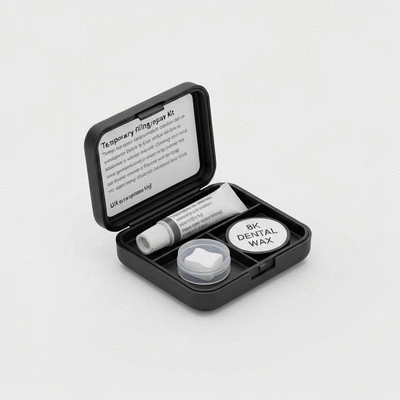
Using Dental Adhesive and Temporary Fillings for Short-Term Relief
If you're in need of a quick fix, dental adhesives and temporary fillings can come in handy. These products are designed to provide short-term solutions to keep your tooth protected:
- Dental Adhesives: Often sold in pharmacies, they can temporarily hold a crown in place.
- Temporary Fillings: These kits allow you to fill the gap left by a lost filling until you see your dentist.
Applying these solutions can help you manage your emergency effectively while you search for an emergency dentist through eDentistNearMe!
We Want to Hear From You!
Have you ever experienced a situation where you lost a filling or crown? How did you handle it? Share your thoughts or tips below:
Next Steps After Addressing Your Immediate Needs
After you've handled the immediate situation of losing a filling or crown, it's crucial to prepare for your visit to the dentist. Being organized and informed can make a significant difference in your experience. Let's discuss how to communicate effectively with your dental provider and what information you should have ready.
Preparing for Your Dentist Appointment
When it comes time for your appointment, ensuring you effectively communicate your dental issue is essential. Here are some tips to help you prepare:
- Detail Your Symptoms: Make a note of any pain, sensitivity, or discomfort you experienced after losing the filling or crown.
- Timeline of Events: Be ready to explain when you lost the filling or crown and what steps you have taken since then.
- Medical History: Share any relevant medical or dental history that could impact your treatment, such as allergies or ongoing treatments.
- Questions for the Dentist: Prepare any questions you may have regarding the treatment options or recovery process.
Having this information at hand can streamline your appointment and help your dentist understand your situation better.
Exploring Emergency Dental Care Options
Finding the right emergency dental services in your area can be overwhelming. Fortunately, eDentistNearMe is here to help you connect with trusted local dentists who offer urgent care. When you visit an emergency dentist after hours, expect the following:
- Initial Assessment: A thorough examination will be conducted to assess the damage and determine the best course of action.
- Treatment Options: Depending on the severity of your issue, treatment may include temporary repairs or more extensive procedures.
- Follow-Up Care: Be prepared to discuss the need for follow-up visits to ensure your dental health remains on track.
Remember, emergency dental care is designed to provide you with relief and put you back on the path to recovery!
Understanding Dental Insurance and Emergency Care Coverage
Navigating dental insurance during an emergency can be tricky, but knowing what to expect can ease some of your concerns. According to the NHS, understanding your treatment options and associated costs is vital. Here's how to handle it:
- Check Your Coverage: Before your appointment, review your insurance policy to understand what emergency services are covered.
- Contact Your Provider: Don’t hesitate to call your insurance company for clarification on benefits related to urgent dental needs.
- Payment Options: Inquire about payment plans or financing options if you anticipate that your treatment might be costly.
Understanding your coverage can help you avoid unexpected expenses and allow you to focus on your recovery!
Final Thoughts and Frequently Asked Questions
Now that you have a plan for addressing your immediate dental needs, it’s important to feel empowered. You’re not alone on this journey; I encourage you to reach out for help when needed!
Frequently Asked Questions (FAQs)
- What should I do immediately after a filling or crown falls out?
- Immediately, stay calm, assess any discomfort, locate the lost piece if possible, rinse your mouth gently with warm water, and contact an emergency dentist to discuss your situation.
- How can I tell if I've lost a filling or a crown?
- A lost filling usually leaves a hole or pit in the tooth, while a lost crown appears as an entire cap or cover that has come off the tooth.
- What are some temporary solutions to protect an exposed tooth?
- Temporary protection options include using temporary dental cement, dental wax, sugar-free gum, or clove oil for pain relief until you can see a dentist.
- Is it safe to reinsert a lost crown or filling myself?
- No, it is generally not recommended to attempt to reinsert a crown or filling yourself. Instead, use temporary measures like dental wax and seek professional dental care.
- How can I prepare for my emergency dental appointment?
- Prepare by detailing your symptoms, noting the timeline of events, sharing relevant medical history, and preparing any questions you have for the dentist.
- Will my dental insurance cover emergency dental care for a lost filling or crown?
- Coverage varies by policy. It's best to review your insurance policy or contact your provider directly to understand what emergency services are covered and discuss payment options.
Recap of Key Points
Here is a quick recap of the important points discussed in the article:
- Stay calm and assess your discomfort when losing a filling or crown.
- Rinse your mouth gently with warm salt water to keep the area clean.
- Use dental wax or sugar-free gum to temporarily cover the exposed area.
- Prepare for your dentist appointment by detailing your symptoms and timeline of events.
- Understand your dental insurance coverage for emergency care to avoid unexpected expenses.