Top OTC Painkillers for Dental Pain

Did you know that many people rely on over-the-counter painkillers to manage sudden dental pain? Understanding which options work best can significantly enhance your comfort during those urgent moments.
What You Will Learn
- The four main OTC painkillers for dental pain are Ibuprofen, Acetaminophen, Aspirin, and Naproxen.
- Ibuprofen and Aspirin are effective anti-inflammatory options, while Acetaminophen is a good choice for those who cannot take NSAIDs.
- Always follow dosage instructions to avoid adverse effects and ensure safe usage of pain relief medications.
- If pain persists or worsens, it’s crucial to consult a dentist for further evaluation and care.
OTC Pain Relievers for Dental Pain: A Comparison
This visual compares common over-the-counter painkillers based on their type, pain relief efficacy, and anti-inflammatory properties.
Ibuprofen
Type: NSAID
Pain Relief: Effective
Anti-Inflammatory: Yes
Acetaminophen
Type: Analgesic
Pain Relief: Effective
Anti-Inflammatory: No
Aspirin
Type: NSAID
Pain Relief: Effective
Anti-Inflammatory: Yes
Naproxen
Type: NSAID
Pain Relief: Effective (Longer-lasting)
Anti-Inflammatory: Yes
Understanding the Role of Over-the-Counter Painkillers in Dental Pain Relief
Dental pain can be incredibly distressing, whether it’s a sudden toothache or discomfort from dental work. Over-the-counter (OTC) painkillers can provide much-needed relief while you seek professional care. They are accessible and can be effective for managing temporary pain, but understanding which options work best is essential for your comfort.
At eDentistNearMe, we aim to empower you with the knowledge you need to make informed decisions about your dental health. Knowing how to use these medications safely and effectively can help bridge the gap until you can see a dentist, especially during those urgent moments.
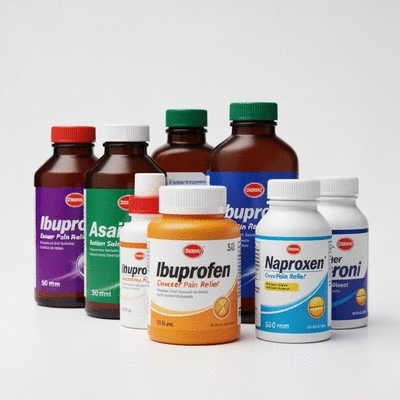
What Are the Best OTC Painkillers for Dental Pain?
When it comes to relieving dental pain, several OTC options can help. Here’s a quick list of some of the most commonly recommended painkillers:
- Ibuprofen: A nonsteroidal anti-inflammatory drug (NSAID) that reduces inflammation and pain.
- Acetaminophen: Effective for pain relief but does not reduce inflammation.
- Aspirin: Another NSAID, though not typically recommended for children or teenagers.
- Naproxen: Similar to ibuprofen, it offers longer-lasting relief for pain and inflammation.
Each of these painkillers has its unique benefits, and choosing the right one can depend on your specific needs. As a dental professional, I often recommend considering factors such as existing health conditions and any other medications you may be taking. For detailed guidance on oral analgesics for acute dental pain, the American Dental Association (ADA) provides valuable insights.
Comparing Common OTC Pain Relievers: Ibuprofen, Acetaminophen, and Aspirin
Let’s take a closer look at how these popular OTC pain relievers stack up against each other when it comes to dental pain:
| Medication | Type | Pain Relief | Anti-Inflammatory |
|---|---|---|---|
| Ibuprofen | NSAID | Effective | Yes |
| Acetaminophen | Analgesic | Effective | No |
| Aspirin | NSAID | Effective | Yes |
Understanding these differences can help you choose the best pain reliever for your situation. For example, if inflammation accompanies your dental discomfort, ibuprofen or aspirin might be more effective than acetaminophen. It's important to note that new guidelines suggest avoiding opioids for short-term dental pain in kids; instead, focus on these effective OTC options, as highlighted by Powers Health. For additional information on medication choices, you can explore resources like Medical News Today's guide to the best medication for toothache.
Exploring Naproxen as a Viable Option for Toothache Relief
Naproxen is less commonly mentioned but can be an excellent option for toothache relief. It works similarly to ibuprofen, offering both pain relief and anti-inflammatory effects. It is often recommended for longer-lasting relief, making it a solid choice for those enduring persistent dental discomfort.
However, as with any medication, it’s essential to follow dosage guidelines. I encourage patients to consult with a healthcare professional if they have questions about using naproxen or any other pain relievers, especially if they have underlying health issues.
Pro Tip
Did you know? For maximum effectiveness, take your OTC painkillers with food to minimize stomach upset, especially with NSAIDs like ibuprofen and aspirin. Additionally, alternating between acetaminophen and ibuprofen can provide better pain relief, but always consult with a healthcare provider to ensure it's safe for your specific health situation.
Summarizing the Best OTC Pain Relief Options for Dental Pain
When it comes to managing dental pain, knowing which over-the-counter (OTC) painkillers can provide relief is essential. From my experience at eDentistNearMe, I often guide patients through choosing the right options for their specific needs. Here’s a quick recap of the best OTC pain relief options available:
- Ibuprofen: This anti-inflammatory helps reduce swelling and pain effectively.
- Acetaminophen: A go-to for those who cannot take NSAIDs; it helps with pain relief but not inflammation.
- Aspirin: Good for pain relief, but should not be given to children.
- Naproxen: This is another excellent option for longer-lasting pain relief.
Remember, while these options provide temporary relief, they don’t address the underlying issue of dental pain. Always keep in mind to follow the recommended dosages! This simple step can ensure you achieve the best results safely.

Key Takeaways on OTC Painkillers and Their Uses
To help you better understand OTC painkillers, here are some key takeaways:
- Know the difference between pain relievers and anti-inflammatories.
- Always read dosage instructions carefully.
- If pain persists, consult a dentist for further evaluation.
- Use caution when combining medications to avoid adverse effects.
These points are crucial for safely navigating your pain management journey! Remember, the right OTC option can make a significant difference in your comfort level.
Evaluating Patient Reviews on Pain Relief Efficacy
As an advocate for patient well-being, I frequently explore patient reviews on OTC painkillers. Many patients highlight the effectiveness of ibuprofen and naproxen for dental pain. These insights can be incredibly valuable when determining which medication might work best for you.
- Many reviews praise ibuprofen for its rapid onset of relief.
- Acetaminophen often receives positive feedback for safety, especially in those with sensitive stomachs.
- Naproxen is appreciated for its longer-lasting effects, making it a favorite for chronic issues.
Reading through these reviews can provide you with a well-rounded perspective of what to expect, helping you make informed decisions about your pain management.
Frequently Asked Questions About OTC Painkillers for Dental Pain
- 1. What are the four main OTC painkillers for dental pain?
- The four main over-the-counter painkillers discussed for dental pain are Ibuprofen, Acetaminophen, Aspirin, and Naproxen.
- 2. Which OTC painkillers are effective for reducing inflammation?
- Ibuprofen, Aspirin, and Naproxen are all effective nonsteroidal anti-inflammatory drugs (NSAIDs) that reduce both pain and inflammation.
- 3. Can Acetaminophen help with inflammation?
- No, Acetaminophen is an analgesic effective for pain relief but does not have anti-inflammatory properties.
- 4. Why is it important to follow dosage instructions for OTC painkillers?
- Following dosage instructions is crucial to avoid adverse effects, ensure safe usage, and achieve the best possible pain relief.
- 5. When should I see a dentist if my dental pain persists?
- If your dental pain persists or worsens despite using OTC painkillers and home care, it’s crucial to consult a dentist for further evaluation and professional care.
- 6. What is Naproxen and how does it compare to Ibuprofen?
- Naproxen is an NSAID similar to Ibuprofen, offering both pain relief and anti-inflammatory effects. It is often recommended for its longer-lasting relief.
Taking the Next Steps Towards Pain Management
Home Care Tips for Managing Dental Pain Effectively
Managing dental pain at home is often the first step before seeking professional care. Here are some effective tips that I recommend to my patients:
- Maintain oral hygiene: Brush and floss gently to keep the area clean.
- Apply a cold compress: This can help reduce swelling and numb the pain.
- Use OTC painkillers as directed: Follow the recommended dosages.
- Stay hydrated and consume soft foods: This can alleviate discomfort while eating.
These simple steps can help ease your discomfort and support your overall oral health. Sometimes, taking these measures can significantly improve your situation!
Encouragement to Seek Professional Care When Needed
While home care can be effective, it’s important to know when to consult a dentist. If your pain continues despite treatment or worsens, don't hesitate to reach out to eDentistNearMe for assistance. Our network of trusted emergency dentists is always ready to help!
Remember, ignoring dental pain can lead to more severe issues down the line. It’s always best to be proactive about your health!
Understanding Dental Insurance Coverage for Pain Management
Lastly, understanding your dental insurance coverage can significantly impact your treatment options. Most plans cover consultations for dental emergencies and procedures that may be necessary based on your situation. Here’s what to consider:
- Review your policy: Check what pain management treatments are covered.
- Consult your provider: If you’re unsure, contacting your insurance company can clarify your benefits.
- Plan for out-of-pocket costs: Some treatments may not be fully covered, so be prepared.
Being informed about your insurance can make the process less stressful when you need care the most. At eDentistNearMe, we’re here to help you navigate these options!
Recap of Key Points
Here is a quick recap of the important points discussed in the article:
- Ibuprofen: Effective anti-inflammatory for reducing swelling and pain.
- Acetaminophen: Safe alternative for pain relief but does not address inflammation.
- Aspirin: Provides pain relief but should be avoided in children.
- Naproxen: Offers longer-lasting relief and can be effective for chronic pain.
- Always follow recommended dosages for safety and effectiveness.
- Seek professional dental care if pain persists or worsens.
- Maintain good oral hygiene and use home remedies like cold compresses for initial relief.