Managing Dental Abscesses in Emergencies

Understanding the signs of a dental abscess can be a game-changer for your oral health. Being equipped with knowledge can save you from severe pain and complications. Here’s what you need to know to stay proactive about your dental care!
What You Will Learn
- Recognize facial swelling and pain as critical symptoms of a dental abscess.
- Understand that fever and pus formation indicate worsening infections.
- Identify persistent tooth pain and sensitivity as common signs of tooth infection.
- Know the red flags that warrant immediate dental care, such as severe pain and difficulty opening your mouth.
- Learn essential home care tips for managing pain before seeking professional help.
- Understand treatment options available for dental abscesses, including drainage and extractions.
Understanding Dental Abscess Symptoms and Urgency
This visual outlines the key symptoms of dental abscesses, distinguishing severe indicators from common signs, and highlighting when emergency dental care is crucial.
Severe Symptoms & Indicators
Identifying Alarming Signs
- Facial Swelling & Pain: Around jaw, cheeks, or eyes.
- Fever: Body fighting infection.
- Pus Formation: Sign of worsening infection.
These symptoms require immediate attention.
Common Signs of Infection & Pain
Recognizing Early Warning Signs
- Persistent Toothache: Throbbing pain that doesn't subside.
- Sensitivity to Hot & Cold: Discomfort with temperature changes.
- Pain Beyond Swelling: Other discomforts indicating infection.
Don't ignore these early indicators.
When to Seek Immediate Care
Red Flags for Emergency Dental Action
- Severe, Unbearable Pain: Pain that disrupts daily activities.
- Swelling Affecting Mouth Opening: Difficulty in speaking or eating.
- High Fever: Accompanied by other dental symptoms.
These indicate a dental emergency.
Immediate Actions & Care
Steps for Handling Abscesses
- Contact a Dentist: Use eDentistNearMe for 24/7 access.
- Pain Management: Cold compress, OTC relief, salt water rinse.
- Understand Treatment: Diagnostics, drainage, or extractions.
Timely intervention is critical for recovery.
Recognizing the Urgency: Symptoms of Dental Abscesses and Swelling
When it comes to dental health, knowing the signs of a dental abscess is crucial. This condition can escalate quickly, often leading to severe pain and complications if not addressed timely. Let’s explore the symptoms that signal a dental abscess, so you can take immediate action when needed!
Identifying Severe Symptoms of a Dental Abscess
One of the most alarming symptoms of a dental abscess is noticeable facial swelling and pain. You might see swelling around your jaw, cheeks, or even near your eyes. If you find yourself experiencing these symptoms, it’s a clear indication that something is off!
- Facial swelling and pain
- Fever and other systemic symptoms related to tooth infection
- Understanding pus formation and its implications
A fever can accompany the swelling, indicating that your body is fighting an infection. It’s essential to watch for any pus formation as well—a telltale sign that the infection is worsening. These symptoms shouldn’t be ignored, as they underscore the urgency of seeking care. For a comprehensive overview of dental emergencies, including abscesses, you can refer to the Merck Manuals Professional Version on Dental Emergencies.
Common Signs of Tooth Infection
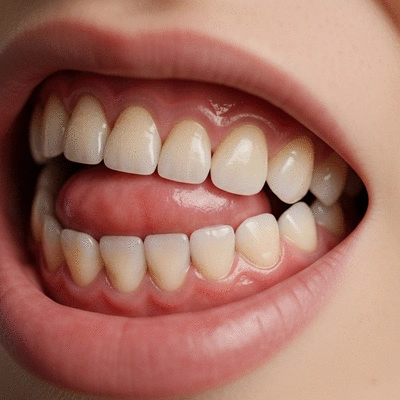
Beyond facial swelling, there are additional warning signs of a tooth infection that you should be aware of. Often, patients report a persistent toothache that doesn’t go away. Have you felt that throbbing pain that seems to intensify? It’s hard to ignore!
- Recognizing symptoms beyond swelling
- How to identify fever and tooth pain as warning signs
Other signs can include sensitivity to hot and cold temperatures, which can make even the simplest tasks uncomfortable. Remember, listening to your body is key. If something feels off, it’s best to err on the side of caution! The National Center for Biotechnology Information (NCBI) provides detailed information on dental abscesses and their clinical presentation.
When to Seek Emergency Dental Care
There are specific red flags that indicate an immediate need for professional help. If you experience severe pain, swelling that affects your ability to open your mouth, or fever, don’t wait to reach out for assistance!
- Red flags indicating the need for immediate attention
- How to differentiate between mild discomfort and severe infection
Understanding the difference between mild discomfort and signs of a severe infection can save you from prolonged pain and potential complications. If in doubt, contact your dentist—your health and comfort are worth it! For guidance on triaging and treating dental conditions in an emergency setting, refer to the IHS Division of Oral Health's recommendations.
Pro Tip
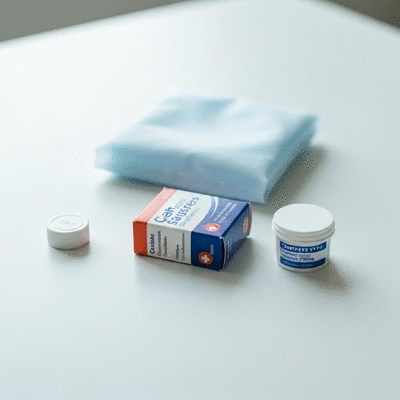
Did you know? Keeping an emergency dental kit at home can be a lifesaver during unexpected dental issues. Include items like a cold pack, over-the-counter pain relievers, and a temporary filling material. Being prepared can help you manage pain and protect your teeth until you reach a dentist!
Frequently Asked Questions About Dental Abscesses
- Q: What are the primary signs of a dental abscess?
- A: The primary signs include noticeable facial swelling and pain, persistent toothache, sensitivity to hot and cold temperatures, and sometimes fever or pus formation.
- Q: When should I seek immediate dental care for an abscess?
- A: You should seek immediate care if you experience severe, unbearable pain, swelling that hinders your ability to open your mouth, or a high fever accompanied by other dental symptoms.
- Q: What home care tips can help manage pain before seeing a dentist?
- A: You can manage pain by applying a cold compress to the affected area, taking over-the-counter pain relievers, and rinsing your mouth with warm salt water.
- Q: What happens if a dental abscess is left untreated?
- A: If left untreated, a dental abscess can lead to severe complications, including the spread of infection to other parts of the body, bone damage, and even life-threatening conditions.
- Q: What are the typical treatment options for a dental abscess?
- A: Treatment options usually involve draining the abscess, a root canal procedure to remove the infected pulp, or in some cases, tooth extraction if the tooth cannot be saved.
Summary of Key Actions for Handling Dental Abscesses During Emergencies
- Recap of important symptoms to watch for include facial swelling, fever, and persistent tooth pain. If you experience these, don’t hesitate to seek help!
- Essential home care tips to manage pain until professional help includes using a cold compress, taking over-the-counter pain relief, and rinsing with warm salt water.
- Understanding treatment options is critical. Be aware of what to expect in terms of diagnostics, possible drainage procedures, or extractions.
Taking the Next Step: Contacting an Emergency Dentist
If you suspect a dental abscess, it’s essential to reach out for professional help immediately! Timely intervention can make all the difference in your recovery. Our platform at eDentistNearMe connects you with trusted emergency dentists who are available 24/7.
Don’t wait until the pain becomes unbearable—book an emergency dental appointment today! You can easily find local dentists ready to assist you. For immediate assistance, you can also call our emergency hotline at [Insert Emergency Phone Number]. Your dental health is our priority!
Recap of Key Points
Here is a quick recap of the important points discussed in the article:
- Watch for severe symptoms of dental abscesses including facial swelling, fever, and persistent tooth pain.
- Use home care tips such as cold compresses, over-the-counter pain relief, and warm salt water rinses to manage discomfort until you can see a dentist.
- Recognize red flags that necessitate emergency dental care, such as severe pain or swelling that affects mouth opening.
- Seek professional help immediately if experiencing any alarming symptoms to prevent complications.
- Utilize platforms like eDentistNearMe to find trusted emergency dental services available 24/7.