Temporary Relief for Broken Tooth
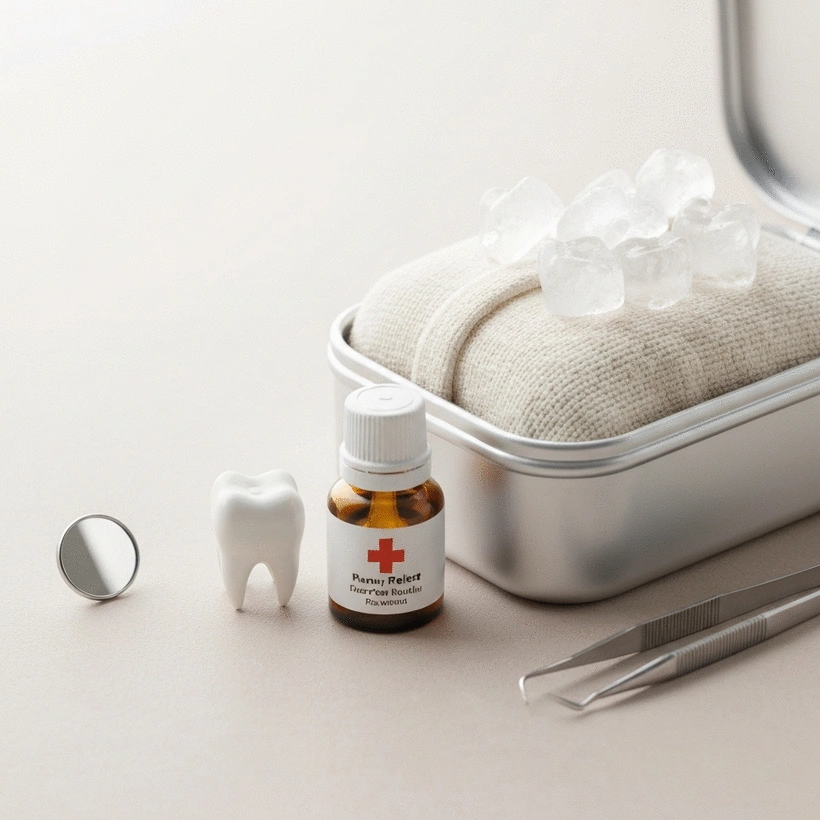
When faced with a dental emergency, understanding the immediate steps you can take to alleviate pain is essential. A broken tooth can lead to various complications if not addressed promptly. So, let's dive into what you can learn about managing tooth pain effectively!
What You Will Learn
- Recognizing that immediate pain signals your body needs attention is crucial for timely action.
- Understanding common causes of tooth pain, such as nerve exposure and inflammation, can guide your treatment choices.
- Knowing the symptoms of a toothache, like sharp pain and swelling, helps you decide when to seek professional help.
- Using saltwater rinses to reduce inflammation is a simple yet effective first aid technique.
- Applying cold compresses can alleviate swelling and numb pain temporarily, providing immediate relief.
- Preserving broken tooth fragments in milk increases the chances of successful dental repairs.
- Taking swift action not only alleviates pain but also prevents further complications in your dental health.
Immediate Pain Relief & Prevention for a Broken Tooth
Understanding the immediate steps for pain relief and recognizing symptoms are crucial for effective recovery. Below, you'll find a summary of key actions and preventive measures.
Recognizing Symptoms: When to Act
- ✓ Intense, persistent sharp pain
- ✓ Noticeable swelling around the area
- ✓ Fever or chills (possible infection)
- ✓ Pain that worsens when biting down
*If you experience these, seek emergency dental care.
First Aid Techniques for Immediate Relief
- ✓ Salt Water Rinse: Reduces inflammation, cleans area.
- ✓ Cold Compress: Manages swelling and numbs pain.
- ✓ Warm Compress: Soothes sensitivity and tension.
- ✓ Save Fragments: Store in milk, contact dentist.
*These are temporary solutions until professional help.
Preventive Measures for Dental Health
- ✓ Regular dental check-ups (twice a year).
- ✓ Wear a mouthguard during sports.
- ✓ Avoid overly hard foods.
- ✓ Practice good oral hygiene daily.
*Proactive steps protect your smile and overall health.
Your Next Step: Contact a Dentist
After initial relief, prompt professional care is vital.
Find an Emergency Dentist Near YouUnderstanding Immediate Pain Relief for a Broken Tooth
Experiencing a broken tooth can be a distressing event, and addressing pain immediately is crucial. Not only can acute tooth pain interfere with your daily activities, but it can also lead to more severe dental issues if left untreated. When you have a broken tooth, it's essential to recognize that seeking quick relief is the first step towards recovery.
Ignoring the pain can make it difficult to focus on work, enjoy meals, or even get a good night's sleep. At eDentistNearMe, we understand that your comfort is our priority, and knowing how to manage pain effectively can make all the difference.

Recognizing the Need for Temporary Relief
Understanding why temporary relief is vital after a broken tooth can significantly impact your overall well-being. You might be surprised to learn how quickly discomfort can escalate, affecting everything from your mood to your appetite. According to the Cleveland Clinic, immediate attention to a fractured tooth can prevent further complications and alleviate pain.
- Immediate reaction: Pain signals your body needs attention.
- Daily impact: Severe pain can disrupt work and personal life.
- Long-term health: Ignoring pain can lead to chronic issues.
By acknowledging your pain and taking swift action, you can prevent more serious complications down the line. Always remember, you don't have to wait for a scheduled appointment to seek relief!
Common Causes of Tooth Pain After an Injury
Tooth pain after an injury can stem from various factors, and understanding these causes is essential for effective treatment. Common reasons include nerve exposure and inflammation, which often accompany a broken tooth. The American Association of Endodontists highlights that even small cracks can lead to significant pain if the pulp is affected.
- Nerve exposure: When a tooth breaks, the sensitive nerve may become exposed, leading to intense pain.
- Inflammation: Injury can cause inflammation in the surrounding gums, contributing to discomfort.
- Infection risk: A broken tooth increases the likelihood of bacteria entering, heightening the risk of infection.
Each of these factors can significantly influence your treatment options. At eDentistNearMe, we emphasize the importance of immediate action to manage pain and prevent further complications.
Identifying Toothache Symptoms: When to Act
Recognizing the symptoms of a toothache can guide your next steps. It's essential to know when to act decisively to prevent worsening conditions. Some common symptoms include:
- Sharp pain: Intense pain that doesn't subside.
- Swelling: Noticeable swelling around the affected area.
- Fever or chills: Indications of possible infection.
- Difficulty chewing: Pain that worsens when biting down.
If you experience any of these symptoms, don't hesitate to reach out to an emergency dentist. At eDentistNearMe, we connect you with local professionals who are ready to help you get the care you need right away!
Effective First Aid Techniques for Immediate Relief
When you're faced with a broken tooth, knowing effective first aid techniques can provide you with immediate relief while you wait for professional help. Here are some key methods you should consider:
Rinsing with Salt Water: A Simple Yet Effective Method
A salt water rinse is a straightforward yet powerful method for reducing inflammation and cleaning the affected area. Not only does it help flush out debris, but it can also help soothe irritated gums.
- Mix: Combine one teaspoon of salt in a glass of warm water.
- Swish: Rinse your mouth gently, avoiding any vigorous movements that could aggravate the injury.
- Repeat: Use this rinse 2-3 times a day for optimal results.
This simple method is an excellent way to manage discomfort until you can see a dentist. It’s a practice I often recommend to my patients!

Applying a Cold Compress to Manage Swelling
Using a cold compress can be highly effective for alleviating pain and reducing swelling after a dental injury. This simple method can provide immediate comfort.
- Wrap: Use a clean cloth to wrap ice or a cold pack.
- Apply: Gently place it on the outside of your cheek over the affected area for 15-20 minutes.
- Rest: Allow some time before reapplying to avoid skin irritation.
Cold therapy not only helps with swelling but can also numb the pain temporarily, making it easier for you to manage daily activities.
Using a Warm Compress for Tooth Sensitivity Relief
In contrast to a cold compress, a warm compress can help soothe tooth sensitivity, especially if the area feels tense. It’s a great way to find some comfort during your recovery.
- Warm towel: Soak a towel in warm water and wring it out.
- Apply gently: Place it against your cheek, focusing on the sensitive area.
- Duration: Leave it on for about 15-20 minutes.
This method helps to increase blood flow and ease discomfort, assisting in your body's natural healing process.
Saving Tooth Fragments: Essential Steps
If you have broken a tooth and there are fragments, it's important to take steps to preserve them. This can play a crucial role in your dental repair options. The NHS advises that keeping the fragment moist, ideally in milk, can improve the chances of reattachment.
- Rinse: Gently rinse your mouth with warm water.
- Preserve: Place any tooth fragments in a cup of milk to keep them moist.
- Seek help: Contact an emergency dentist immediately.
By taking these steps, you enhance your chances of successful dental repairs. At eDentistNearMe, we are here to help you navigate this process and ensure you receive the care you need!
Pro Tip
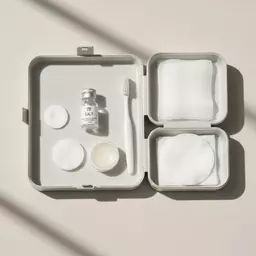
Did you know? Keeping a dental emergency kit at home can save you time and discomfort in case of a broken tooth. Include items like a cold pack, salt for rinsing, and pain relievers to have immediate access to pain management tools when you need them most!
Frequently Asked Questions (FAQs)
- Q: Why is immediate pain relief important for a broken tooth?
- A: Immediate pain relief is crucial because acute tooth pain can disrupt daily activities and lead to more severe dental issues if not addressed promptly. It's the first step toward recovery and preventing further complications.
- Q: What are common causes of tooth pain after an injury?
- A: Common causes include nerve exposure due to the break, inflammation in the surrounding gums, and an increased risk of infection from bacteria entering the exposed tooth structure.
- Q: What symptoms indicate I should seek emergency dental care?
- A: You should seek emergency dental care if you experience intense, persistent sharp pain; noticeable swelling around the affected area; fever or chills (indicating possible infection); or pain that worsens when biting down.
- Q: What are some effective first aid techniques for a broken tooth?
- A: Effective first aid techniques include rinsing your mouth with salt water to reduce inflammation and clean the area, applying a cold compress to manage swelling and numb pain, using a warm compress for sensitivity relief, and preserving any broken tooth fragments in milk.
- Q: How should I preserve a broken tooth fragment?
- A: Gently rinse your mouth with warm water, then place any broken tooth fragments in a cup of milk to keep them moist. Contact an emergency dentist immediately, as proper preservation increases the chances of successful dental repairs.
Summarizing Key Points for Effective Pain Relief
When you experience a broken tooth, it's essential to act quickly to manage your pain effectively. The immediate steps for temporary pain relief include rinsing with salt water, applying cold or warm compresses, and possibly using over-the-counter pain relievers. Remember, these methods are meant to provide short-term comfort while you seek professional help!
To summarize, here are the critical actions to take:
- Rinse your mouth with salt water to clean the area and reduce inflammation.
- Use a cold compress to manage swelling and numb the pain.
- Consider a warm compress if you're dealing with sensitivity.
- Preserve any broken tooth fragments in milk for potential dental repair.
While these methods can provide relief, don’t forget that consulting with a dentist, especially an emergency professional, is vital for long-term care. Your dental health is too important to leave to chance!
Taking Action: Your Next Steps After Pain Relief
After implementing at-home remedies, it’s time to take the next step—schedule an appointment with your dentist! At eDentistNearMe, we can help connect you with a trusted professional who can address your needs effectively. During your visit, be prepared to discuss the pain you experienced and any remedies you tried. This information is crucial for your dentist to understand your situation better.
During the consultation, you can expect:
- A thorough examination of your dental health.
- Discussion of the best treatment options for your broken tooth.
- Advice on how to care for your dental health moving forward.
Taking action quickly not only alleviates your pain but also helps prevent further complications. Remember, we’re here to guide you every step of the way!
Engaging with Your Dental Health
Your dental health journey is important to us at eDentistNearMe, and I invite you to share your experiences with temporary pain relief for broken teeth! Whether it's a tip that worked wonders for you or a question you have about your situation, let's foster a community of support and learning. Your insights could help others who are facing similar challenges!
Feel free to reach out through our platform or leave a comment below with your experiences. Together, we can make navigating dental emergencies a little easier!
Preventive Measures for Future Dental Emergencies
Prevention is always better than cure! To maintain your oral health and minimize the risk of future dental emergencies, consider these preventive measures:
- Regular dental check-ups at least twice a year.
- Wearing a mouthguard during sports or high-impact activities.
- Avoiding hard foods that can lead to fractures.
- Practicing good oral hygiene, including daily brushing and flossing.
By taking these proactive steps, you not only keep your smile intact but also protect your overall health. Remember, I’m here to help you find the right resources for your dental needs, ensuring you have the best care possible!
Recap of Key Points
Here is a quick recap of the important points discussed in the article:
- Immediate pain relief is crucial after experiencing a broken tooth to prevent further complications.
- Common causes of pain include nerve exposure, inflammation, and the risk of infection.
- Recognize toothache symptoms, such as sharp pain and swelling, to know when to seek help.
- Effective first aid techniques include rinsing with salt water, applying cold or warm compresses, and preserving tooth fragments.
- Consulting with a dentist after managing immediate pain is essential for long-term care and recovery.
- Preventive measures, such as regular check-ups and wearing mouthguards during sports, can help avoid future dental emergencies.