Emergency Dentist or Regular Dentist?

When facing a dental emergency, knowing what constitutes an urgent issue can save you time and ensure you receive the right care promptly. Here are the critical insights you'll gain about identifying and responding to dental emergencies.
What You Will Learn
- The difference between dental emergencies and regular dental issues, and when to seek immediate care.
- Common signs that indicate the need for emergency dental care, including severe pain and uncontrolled bleeding.
- Typical treatments provided by emergency dentists, such as tooth extractions and pain management options.
- Guidance on whether to visit an emergency room or an emergency dentist based on your symptoms.
Distinguishing Dental Emergencies from Routine Issues
Understanding when to seek immediate dental care versus scheduling a regular appointment is crucial for your oral health. This visual highlights the key distinctions.
Dental Emergencies
- • Severe, persistent pain
- • Uncontrolled bleeding
- • Knocked-out or broken teeth
- • Swelling impacting breathing (ER)
- • Requires immediate action
Regular Dental Issues
- • Minor cavities
- • General check-ups & cleanings
- • Lost fillings (non-painful)
- • Cosmetic consultations
- • Can wait for a scheduled appointment
Identifying the Right Time to Visit an Emergency Dentist
When it comes to dental health, knowing when to seek emergency care can make all the difference. It's essential to understand the key distinctions between dental emergencies and regular dental issues so you can clarify your next steps. As a dedicated dental professional, I often see patients who aren't sure if their situation warrants immediate attention. Let’s explore what constitutes an emergency.
Understanding Dental Emergencies vs. Regular Dental Issues
A dental emergency typically involves situations that pose a risk to your health or could lead to significant pain if not addressed promptly. In contrast, routine dental issues, while important, can usually wait for a scheduled appointment. The American Dental Association offers comprehensive guidelines on how to differentiate between urgent and non-urgent dental problems. Here are some common distinctions:
- Dental Emergencies: These include severe toothache, knocked-out teeth, and oral bleeding.
- Regular Dental Issues: These might involve minor cavities or routine cleanings.
- Timing: Emergencies require immediate action, while regular issues can often wait days or weeks.
Understanding these differences can help ensure you receive the timely care you need. If you're ever in doubt, it’s best to err on the side of caution and reach out to an emergency dentist.
Common Signs Indicating the Need for Emergency Dental Care
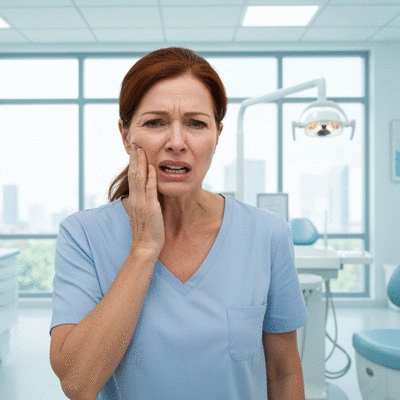
Recognizing the signs that suggest you need to visit an emergency dentist is crucial. Symptoms like severe pain or sudden trauma can indicate a serious issue. The CDC provides valuable information on recognizing dental emergencies. Here are some common signs that you should seek immediate attention:
- Severe Pain: Intense tooth or gum pain that doesn’t subside.
- Bleeding: Uncontrolled bleeding from the mouth or gums.
- Trauma: A knocked-out tooth, broken teeth, or injury to the jaw.
If you experience any of these symptoms, don’t hesitate to contact your local emergency dentist. Remember, your comfort and health are our top priority at eDentistNearMe!
Emergency Dental Services: What to Expect
When you arrive for emergency dental care, you may wonder what types of treatments are provided. Understanding what to expect can help alleviate some anxiety during this stressful time.
Types of Treatments Provided by Emergency Dentists
Emergency dentists are equipped to handle a variety of urgent dental issues. Here’s a list of typical treatments you can expect:
- Tooth Extractions: Removal of severely damaged or infected teeth.
- Pain Management: Immediate relief options such as medications.
- Restorative Treatments: Filling cavities or addressing broken teeth.
These services aim to address your immediate needs and ensure you can return to your normal activities as quickly as possible.
Common Dental Emergencies: From Toothaches to Broken Teeth
As we continue, it’s helpful to understand the types of dental emergencies you might encounter. Here are a few of the most common:
- Dental Abscess: A painful infection at the root of a tooth.
- Chipped Teeth: Teeth can chip from trauma or biting down on hard objects.
- Lost Fillings: Fillings can come loose, exposing sensitive tooth tissue.
Recognizing these emergencies can help you respond appropriately and seek help quickly.

When to Seek Help from an Emergency Room vs. an Emergency Dentist
Not all dental issues require a visit to the emergency room. Understanding when to contact A&E versus an emergency dentist is vital. The American Dental Association also provides guidance on emergency dental care, differentiating between situations that require immediate dental attention versus those that might necessitate an ER visit. Here are some scenarios to consider:
- Emergency Dentist: For dental trauma, severe tooth pain, or lost teeth.
- Emergency Room: For serious injuries involving the jaw, or if there’s significant swelling impacting breathing.
Having this knowledge can help you make informed decisions when a dental emergency arises. At eDentistNearMe, we’re here to guide you in navigating these urgent situations!
Frequently Asked Questions About Dental Emergencies
- Q: What constitutes a dental emergency?
- A: A dental emergency typically involves severe, persistent pain; uncontrolled bleeding; a knocked-out or broken tooth; or swelling that impacts breathing. These situations require immediate attention to prevent further complications.
- Q: How do I know if I need an emergency dentist or can wait for a regular appointment?
- A: If you are experiencing severe pain, uncontrolled bleeding, or trauma such as a knocked-out or broken tooth, you should seek emergency dental care. Minor issues like small cavities or routine cleanings can generally wait for a scheduled appointment.
- Q: What are some common signs that I need emergency dental care?
- A: Key signs include intense tooth or gum pain that doesn't subside, any uncontrolled bleeding from the mouth, or injuries like a knocked-out tooth, broken teeth, or jaw trauma.
- Q: What types of treatments do emergency dentists provide?
- A: Emergency dentists offer a range of services including tooth extractions for severely damaged teeth, pain management options, and restorative treatments like filling cavities or addressing broken teeth to resolve immediate issues.
- Q: Should I go to an emergency room or an emergency dentist for a dental issue?
- A: You should visit an emergency dentist for most dental traumas, severe tooth pain, or lost teeth. However, if you have a life-threatening condition such as uncontrollable bleeding, a broken jaw, or severe facial injuries that impact breathing, you should go to an emergency room.
We Want to Hear From You!
Have you ever faced a dental emergency? If so, what was your experience like? Share your thoughts below:
Recap of Key Points
Here is a quick recap of the important points discussed in the article:
- Dental Emergencies vs. Regular Issues: Dental emergencies involve severe pain, uncontrolled bleeding, or trauma, requiring immediate care, while regular dental issues can often wait.
- Common Signs for Emergency Care: Look for symptoms like severe pain, bleeding, or trauma to determine if you need to seek immediate attention.
- Types of Treatments: Emergency dentists provide services like tooth extractions, pain management, and restorative treatments to address urgent dental issues.
- Recognizing Common Emergencies: Be aware of situations like dental abscesses, chipped teeth, and lost fillings that require quick action.
- Emergency Room vs. Dentist: Contact an emergency dentist for dental issues while serious injuries involving the jaw or breathing difficulties may require a trip to the emergency room.