Essential Dental Pain Relief Products
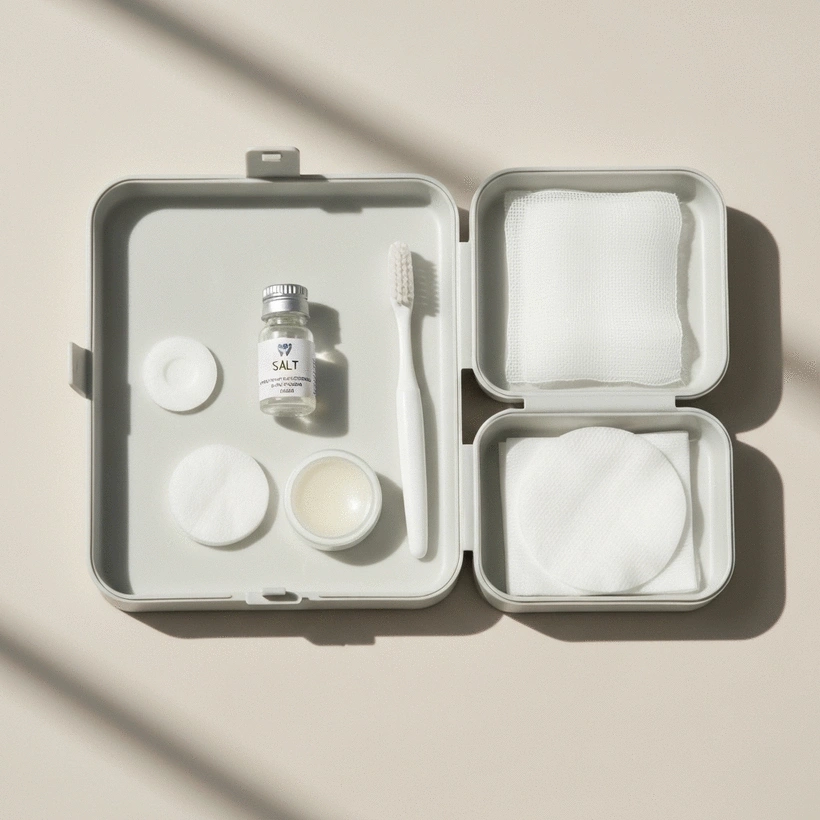
When faced with a dental emergency, being equipped with the right tools can significantly ease your pain and stress. Have you ever wondered what essentials to keep handy for those unexpected moments? Here's a guide that breaks down the key components of an effective dental emergency kit.
What You Will Learn
- The importance of having a dental emergency kit ready to manage pain and discomfort effectively.
- Key components to include in your kit, such as essential OTC pain relievers and topical solutions.
- How different medications, like Ibuprofen and Acetaminophen, serve specific purposes in pain management.
- When to seek professional dental care despite having a well-stocked dental emergency kit.
Key Components of a Dental Emergency Kit
Being prepared for a dental emergency can significantly reduce stress and pain. The following outlines essential items for your kit, categorized for quick reference.
Understanding the Importance of a Dental Emergency Kit
When a dental emergency strikes, having the right tools and products at your fingertips can make all the difference! At eDentistNearMe, I believe that being prepared is key to managing pain effectively and staying calm during stressful situations. That’s why I want to emphasize the importance of having a well-stocked dental emergency kit ready to go!
These kits are essential for anyone who wants to quickly address dental issues without waiting for professional help. Whether it's a sudden toothache, a broken tooth, or an injury, being equipped with the right dental pain relief products can provide immediate comfort while you seek further care. Have you ever experienced a late-night tooth emergency? Having a kit on hand can save you a lot of distress!
Why You Need Dental Pain Relief Products Handy
Dental pain can be intense, and knowing how to manage it can ease your discomfort significantly! Here are a few key reasons to keep pain relief products handy:
- Immediate relief from unexpected dental pain
- Prevention of further complications while waiting for professional care
- Enhanced comfort during unexpected situations
By having these products readily available, you can quickly respond to dental emergencies without the added stress of searching for help. It’s all about ensuring that your well-being is prioritized during those crucial moments!
The Role of an Emergency Dental Kit in Pain Management
Your emergency dental kit acts as your first line of defense against dental pain. It’s not just about having pain relievers; it's about being prepared for a variety of situations. A comprehensive kit can help you manage discomfort effectively and keep you calm until you can visit a dental professional.
Furthermore, understanding how to use the items in your kit can help you make the most of your preparations. From over-the-counter pain relievers to topical solutions, having a strategy in place for using these products can significantly improve your pain management experience. Remember, it’s all about taking control of your dental health!
Key Components of Your Dental Emergency Kit
Now that we understand the importance of having a dental emergency kit, let's dive into what you should include in yours. A well-prepared kit will ensure you're ready to tackle any situation that arises!
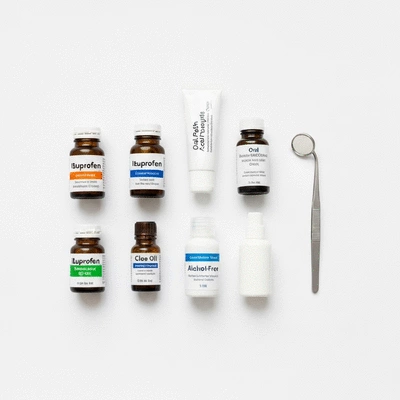
- Essential over-the-counter (OTC) pain relievers
- Topical solutions for immediate pain management
- Tools for basic dental care and first aid
Creating a kit that meets your specific needs is essential. By including these components, you can ensure that you not only address tooth pain but also have solutions for other dental emergencies. Ready to build your kit? Let’s explore the essential items next!
Essential OTC Pain Relievers for Dental Emergencies
OTC pain relievers are critical in any dental emergency kit. Here’s a breakdown of the most effective options, as recommended by the American Dental Association (ADA) and other dental health organizations:
- Ibuprofen: Effective for reducing inflammation and pain
- Acetaminophen: Gentle on the stomach and safe for all ages
- Aspirin and Naproxen: Useful for more severe pain when needed
Understanding the role of each medication can help you choose the right one for your situation. It's always best to have these options available to ensure you have relief when you need it most!
Ibuprofen: Relief from Inflammation
Ibuprofen is an anti-inflammatory medication that not only reduces pain but also helps to decrease swelling. It’s particularly useful for conditions like toothaches or injuries where inflammation is present. Just remember to follow the dosage instructions on the package to ensure safe consumption!
Acetaminophen: Safe Pain Management for All Ages
Acetaminophen is a great alternative if you're looking for a gentle pain reliever that's generally safe for all ages. It’s especially valuable for children or individuals who may have stomach sensitivities. Again, always check the dosage guidelines to prevent any issues!
Aspirin and Naproxen: When to Use Them
Aspirin and Naproxen are both effective at managing pain, but they should be used with caution. Aspirin can be beneficial for its anti-inflammatory properties, but it’s not recommended for children. Naproxen can also provide longer-lasting relief, making it a good option for more persistent pain. Consult with your dentist if you have questions about their use!
Topical Solutions for Immediate Relief
Topical solutions are excellent for providing quick relief right where you need it. Here’s what you should consider including in your kit:
- Benzocaine gels: Numb pain on contact
- Oral pain relief gels: Effective for a variety of dental issues
- Clove oil: A natural remedy for toothaches
Each of these topical solutions has its unique benefits and can provide rapid relief from discomfort. It's worth familiarizing yourself with how to use them effectively! Let’s take a closer look at these options.
Benzocaine Gels: Numbing Pain on Contact
Benzocaine gels are a staple for immediate pain relief! They work by numbing the area, providing quick comfort during emergencies. Just apply a small amount directly to the painful area, and you should feel relief shortly.
Oral Pain Relief Gels: How They Work
These gels are designed to target specific areas in the mouth and can be very effective in alleviating pain from various dental problems. Many of these products are easy to use and provide lasting relief until you can see a dentist.
Clove Oil as a Natural Toothache Remedy
If you prefer natural solutions, clove oil is a fantastic option! It has been used for generations as a remedy for tooth pain due to its natural numbing properties. Just a drop on the affected area can help soothe discomfort!
Application of Pain Relief Gels for Quick Relief
For optimal results, ensure you follow the application instructions carefully. Typically, you’ll use a small amount of gel directly on the painful area, allowing it to work its magic. Keep your kit stocked with these solutions, and you’ll always be prepared!
Pro Tip
Did you know that keeping a dental emergency kit in your car can be a lifesaver? Car accidents and unexpected dental issues can happen anywhere, so having your kit readily accessible can provide you with peace of mind, especially during long drives. Make sure to check the contents regularly and replenish any used items!
Ensuring Safety and Effectiveness of Your Dental Relief Products
When dealing with dental emergencies, it’s crucial to ensure the safety and effectiveness of the relief products you choose. Understanding dosage guidelines and potential contraindications can make all the difference in your care. After all, managing your pain effectively while prioritizing your health is essential!
Always read the labels on over-the-counter medications and follow the recommended dosages. This helps prevent any adverse effects or interactions. Have you ever experienced confusion over when to take pain relief? Well, you’re not alone! Keeping a straightforward list of the medications you have and their dosages can help.
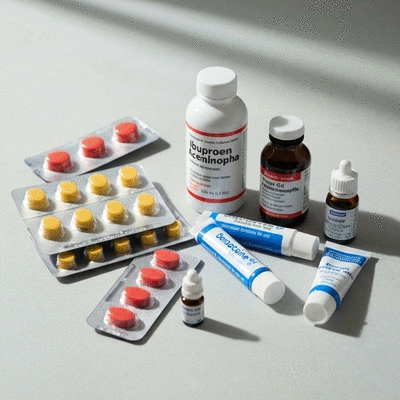
Dosage Guidelines and Contraindications
Knowing the proper dosages for various medications is vital, especially during emergencies. Here are some general guidelines for common dental relief products, which can also be found in resources like the IHS Dental Oral Health Guidelines:
- Ibuprofen: Typically 200-400 mg every 4-6 hours, not exceeding 1200 mg daily unless prescribed.
- Acetaminophen: Usually 500-1000 mg every 4-6 hours, with a maximum of 3000 mg per day.
- Aspirin: Commonly 325-650 mg every 4-6 hours; however, it should be avoided in children due to the risk of Reye's syndrome.
- Naproxen: Generally 250-500 mg every 12 hours, not exceeding 1000 mg in a day.
Always consult with a healthcare provider or your dentist if you are unsure. Remember, if you have existing health conditions or are taking other medications, it’s essential to discuss these with your doctor to avoid any contraindications.
When to Seek Professional Dental Care
Even with a well-stocked dental emergency kit, there are times when it’s best to seek professional care. Here are some indicators that you should reach out to a dentist:
- If pain persists for more than a few hours despite using relief products.
- Severe swelling or signs of infection, such as fever.
- If a tooth has been knocked out and you cannot reinsert it.
- Uncontrolled bleeding from your gums or mouth.
Remember, at eDentistNearMe, we can help you find a trusted local dentist available 24/7, just in case your condition worsens!
Importance of Alcohol-Free Mouthwash and Antiseptic Solutions
Maintaining oral hygiene during a dental emergency is crucial. That’s where alcohol-free mouthwash and antiseptic solutions come into play. They can help cleanse your mouth without causing further irritation to sensitive areas.
- Alcohol-free mouthwash: Gentle on gums and won't exacerbate pain.
- Antiseptic solutions: Ideal for reducing bacteria in the mouth, promoting healing.
- Saline rinses: A simple mix of saltwater can soothe inflamed gums.
Using these products can help keep your mouth clean and minimize the risk of infection while you await professional help. For further insights on pain management, you might find this article on acute dental pain management helpful.
Frequently Asked Questions About Dental Emergency Kits
Here are some common questions about dental emergency kits and their components:
- Q: What are the absolute must-haves for a basic dental emergency kit?
- A: A basic kit should include OTC pain relievers (Ibuprofen, Acetaminophen), topical numbing gels (like Benzocaine), and antiseptic mouthwash. Clove oil is also a great natural option.
- Q: How long can a dental emergency kit help before I need to see a dentist?
- A: A dental emergency kit is designed for temporary relief. It can help manage pain and discomfort for a few hours to a day, but it's crucial to seek professional dental care as soon as possible for any persistent or severe issues.
- Q: Is it safe to use Aspirin for a toothache in children?
- A: No, Aspirin is not recommended for children due to the risk of Reye's syndrome. Acetaminophen is generally a safer alternative for pain management in children.
- Q: Can clove oil completely cure a toothache?
- A: Clove oil can provide temporary relief from toothache pain due to its natural numbing properties, but it does not cure the underlying cause of the pain. You should still see a dentist for proper diagnosis and treatment.
- Q: When should I definitely stop relying on my kit and call a dentist immediately?
- A: You should call a dentist immediately if you experience persistent pain lasting more than a few hours despite using relief products, severe swelling, signs of infection (like fever), a knocked-out tooth that you cannot reinsert, or uncontrolled bleeding from your mouth.
Recap: Building a Comprehensive Dental Emergency Kit
Now that we’ve covered ensuring the safety and effectiveness of your dental relief products, let’s recap what we’ve learned about building a solid dental emergency kit. You want a kit that is not only comprehensive but also tailored to meet your specific needs!
Key Takeaways for Effective Pain Relief
Having the right products on hand can make a significant difference in managing dental pain during emergencies. Keep your kit stocked with:
- Over-the-counter pain relievers
- Topical gels and ointments for immediate relief
- Alcohol-free mouthwash and antiseptic solutions
When you're prepared, you can handle almost any dental situation that arises. Remember, your comfort and oral health are our top priorities!
Final Thoughts and Recommendations for Your Emergency Preparedness
As we wrap this up, I encourage you to take the time to assemble your dental emergency kit if you haven’t done so already. Regularly check and replenish items as needed. This way, you can feel confident and ready when a dental emergency strikes!
At eDentistNearMe, we’re here to support you in your journey to optimal dental health. Don't forget to schedule regular check-ups and educate yourself on dental care. Your future self will be grateful! 😊
Recap of Key Points
Here is a quick recap of the important points discussed in the article:
- Having a well-stocked dental emergency kit is essential for managing dental pain effectively.
- Include over-the-counter pain relievers, topical solutions, and essential dental care tools in your kit.
- Know the proper dosages and contraindications of pain relief products to ensure safety and effectiveness.
- Understand when to seek professional dental care, even when you have a kit available.
- Maintain good oral hygiene with alcohol-free mouthwash and antiseptic solutions during emergencies.