Manage Pain from Lost Dental Work
When faced with the unexpected loss of a dental filling or crown, knowing how to react can make all the difference. Understanding the immediate impact and following the right steps ensures you maintain your dental health, even in emergencies.
What You Will Learn
- Recognize symptoms of pain such as sensitivity to temperature and sharp pain after losing a filling or crown.
- Take immediate action by rinsing your mouth with warm salt water and avoiding hard or sticky foods.
- Understand common causes of increased tooth sensitivity following the loss of a dental filling or crown.
- Prepare for your dental appointment by safely storing any lost dental materials and knowing what questions to ask your dentist.
- Familiarize yourself with your dental insurance coverage to avoid surprises during treatment.
- Adopt proactive dental care practices and regular check-ups to prevent future issues.
- Incorporate best practices for oral hygiene like brushing twice daily and flossing.
Immediate Impact and Proactive Steps for Lost Fillings or Crowns
Understanding the immediate impact of a lost filling or crown and the proactive steps you can take is crucial for managing your dental health. The visual below outlines key symptoms, initial actions, and essential preparation for your dental appointment.
Symptoms After Loss
- • Sensitivity to temperature (hot/cold)
- • Sharp pain from exposed tooth
- • Swelling or tenderness in gums
Initial Steps to Take
- Stay calm and assess the situation
- • Rinse mouth with warm salt water
- • Avoid hard or sticky foods
Storing Your Lost Restoration
- • Use a clean, small container
- • Keep it dry to prevent deterioration
- • Label the container if possible
Dental Visit Questions
- • Cause of loss?
- • Treatment options?
- • Prevention tips?
- • Insurance coverage?
Long-Term Solutions
- • Permanent fillings or crowns
- • Dental implants for severe cases
- • Preventative treatments
Best Practices for Oral Care
- • Brush twice daily with fluoride
- • Floss daily for plaque removal
- • Avoid hard foods that damage restorations
Understanding the Immediate Impact of a Lost Filling or Crown
When a filling or crown falls out, it can be more than just a moment of panic; it can lead to immediate discomfort and potential problems if not addressed quickly. At eDentistNearMe, we emphasize the importance of knowing how to respond effectively to these situations. Understanding the immediate impact can help you manage your dental health better.
It’s essential to recognize the signs of pain and discomfort following the loss of a dental filling or crown. This awareness can guide your next steps and ensure you seek the right assistance promptly. Have you ever wondered what symptoms to look out for? Let’s explore that!
Recognizing Symptoms of Pain After a Filling or Crown Falls Out
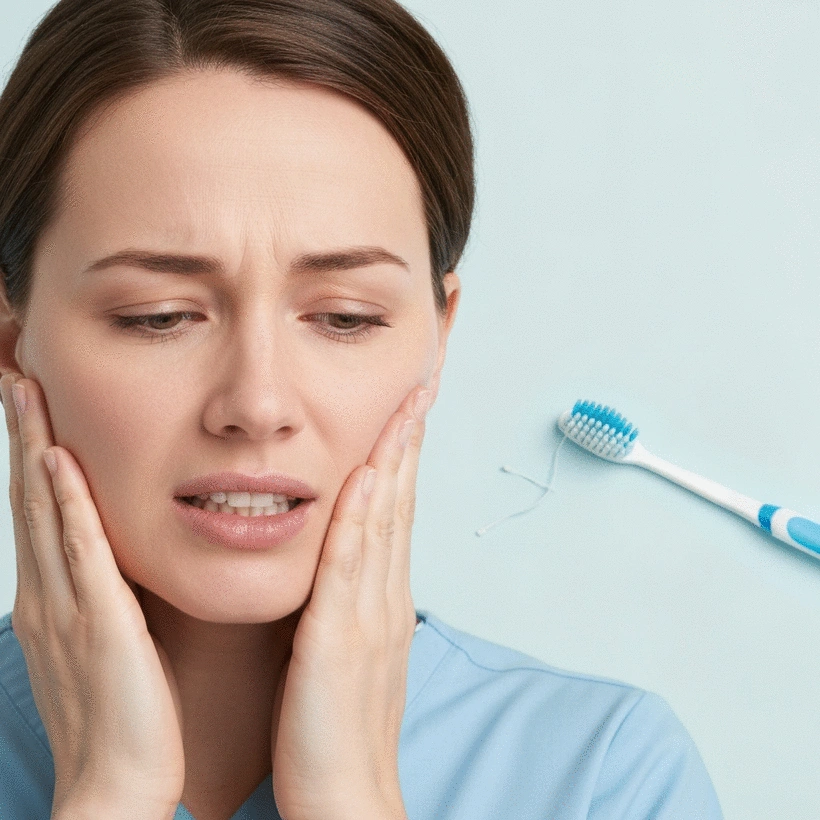
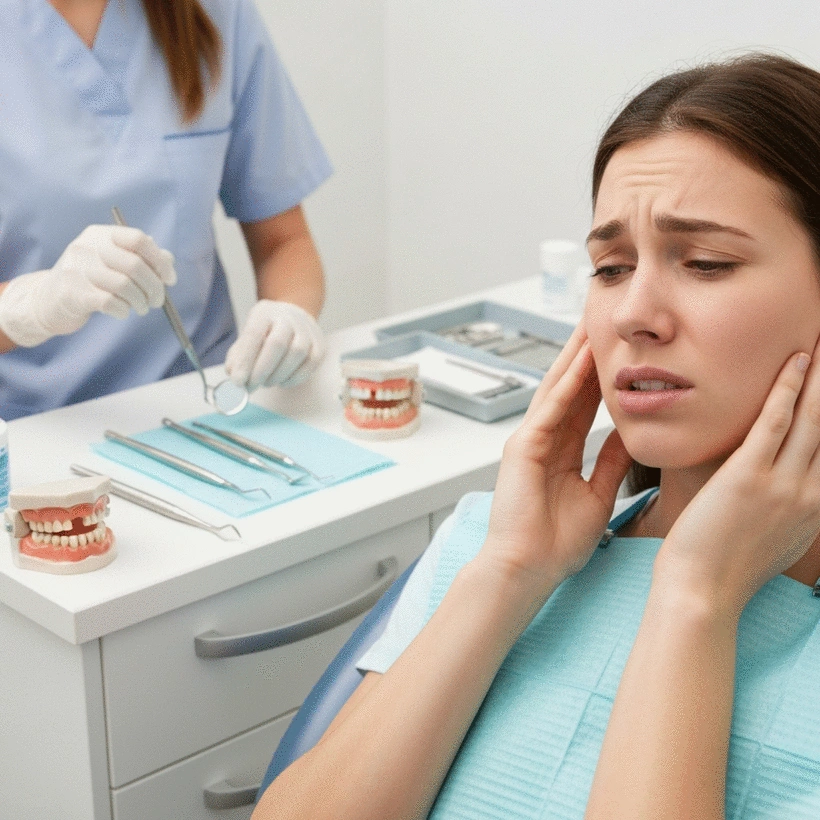
After losing a filling or crown, you might experience several symptoms, including:
- Sensitivity to temperature: Hot or cold foods and drinks may cause immediate discomfort.
- Sharp pain: A sudden pain might emanate from the exposed tooth. The American Dental Association provides guidance on managing acute dental pain, which can be helpful in these situations.
- Swelling or tenderness: The gums around the affected tooth can become inflamed.
Recognizing these symptoms is crucial in determining the severity of your situation. If the pain persists or worsens, it's essential to reach out to a trusted emergency dentist.
Initial Steps to Take Right After Losing a Filling or Crown
Once you realize a filling or crown is missing, follow these steps to manage the situation:
- Stay calm: Panicking won’t help; focus on what you can do next.
- Rinse your mouth: Use warm salt water to clean the area gently, which can help soothe irritation.
- Avoid certain foods: Steer clear of hard or sticky foods that could worsen your situation.
These initial steps can provide temporary relief while you prepare to see a dentist. Remember, prompt action is key!
Common Causes of Tooth Sensitivity Following Loss
Tooth sensitivity can occur for several reasons following the loss of a filling or crown. For instance, the exposure of the underlying tooth structure can lead to heightened sensitivity to temperature or pressure. It's also common for the nerves in the tooth to become irritated due to external factors. Research on dental pain management provides further insights into the physiological causes of sensitivity. Understanding these causes can help you communicate effectively with your dentist.
Additionally, factors like underlying decay, gum recession, or even grinding your teeth can exacerbate sensitivity. Keeping track of these symptoms and discussing them with your dentist will aid significantly in your treatment plan.
Pro Tip
To minimize discomfort after losing a filling or crown, consider using dental wax or temporary filling material available at your local pharmacy. This can help protect the exposed area until you can see your dentist.
Frequently Asked Questions About Lost Fillings or Crowns
Q: What should I do immediately after losing a filling or crown?
A: Immediately after losing a filling or crown, you should stay calm, gently rinse your mouth with warm salt water, and avoid eating hard or sticky foods. Contact your dentist as soon as possible for an appointment.
Q: What are the common symptoms I might experience?
A: You might experience sensitivity to hot or cold temperatures, sharp pain from the exposed tooth, and sometimes swelling or tenderness in the surrounding gums.
Q: How can I safely store my lost filling or crown?
A: If you retrieve the filling or crown, store it in a clean, small, dry container. Labeling the container can also be helpful. Bring it to your dental appointment, as it may provide valuable information to your dentist.
Q: What questions should I ask my dentist during my visit?
A: Ask about the cause of the loss, the available treatment options, how to prevent future occurrences, and details regarding your insurance coverage for the treatment.
Q: How can I prevent future issues with fillings or crowns?
A: Maintain good oral hygiene practices, including brushing twice daily with fluoride toothpaste and daily flossing. Also, ensure you have regular dental check-ups and avoid hard or sticky foods that can damage restorations.
Preparing for Your Dental Appointment
Getting ready for your dental appointment after losing a filling or crown can feel daunting. However, taking some simple steps can help you make the most of your visit! Being prepared ensures that your dentist has all the information they need to provide you with the best care possible.
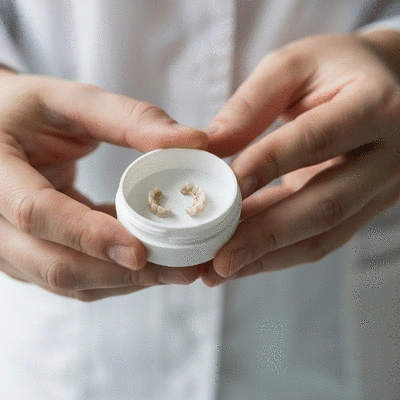
One of the first things you can do is to safely store your lost filling or crown, if you have it. This can provide your dentist with crucial information about the type of restoration you had. Store it in a clean, dry container and bring it along to your appointment.

How to Safely Store Your Lost Filling or Crown for the Dentist
- Use a clean, small container with a lid to prevent damage.
- Keep it dry; moisture can cause deterioration.
- Label the container if possible, to remind the dentist of its significance.
By taking these steps, you’re giving your dentist valuable information that can help in deciding the best way to address your situation. Remember, you’re not alone in this process; we're here to assist you with connecting to trusted local dentists through eDentistNearMe!
What Questions to Ask Your Dentist During Your Visit
During your appointment, it’s essential to gather as much information as possible about your dental health. Here are some key questions you might consider asking:
- What caused the filling or crown to come loose?
- What are the available treatment options?
- How can I prevent this from happening again in the future?
- What will my insurance cover regarding the cost of treatment? The CDC offers resources on dental care, including information that may pertain to treatment planning and costs.
Asking these questions can help alleviate your concerns and give you a clearer understanding of your dental care options. Remember, your comfort and health are our top priorities!
Understanding Dental Insurance: What to Know Before Your Appointment
Before heading to your appointment, it’s wise to familiarize yourself with your dental insurance coverage. Here are a few things to consider:
- Check your policy for coverage details on fillings or crowns.
- Understand your deductible and co-pays.
- Confirm if there are any limitations or waiting periods for dental work.
A quick review of your dental insurance can save you surprises later! If you have questions about navigating your insurance benefits, don’t hesitate to ask your dentist’s office—they're often happy to help clarify your coverage.
Empowering Yourself: Proactive Dental Care and Ongoing Oral Hygiene
Taking control of your dental health means being proactive, especially after experiencing a loss of a filling or crown. At eDentistNearMe, we believe in the importance of ongoing care and oral hygiene to prevent future issues.
Understanding long-term solutions after losing a filling or crown is vital. Regular dental visits, combined with a diligent oral care routine, can greatly reduce the chances of similar problems occurring in the future. Let’s explore some strategies that can empower you!
Understanding Long-Term Solutions for Filling or Crown Loss
There are various options for repairing or replacing lost fillings and crowns. Discuss these long-term solutions with your dentist:
- Permanent fillings or crowns made from durable materials.
- Dental implants for more severe cases.
- Preventative treatments to minimize future risks.
As you explore these solutions, remember that your dentist will guide you to what best suits your individual needs.
Regular Dental Check-ups: Preventing Future Issues
Establishing a routine of regular dental check-ups is crucial for maintaining your oral health. These visits not only help catch issues early but also support ongoing preventive care. Aim for at least two visits each year! Here are some benefits:
- Early detection of potential problems.
- Professional cleaning to remove tartar and plaque.
- Personalized advice on maintaining your dental health.
By visiting your dentist routinely, you can stay ahead of any potential dental emergencies!
Best Practices for Oral Care: Tips for Maintaining Your Dental Health
Finally, let’s talk about maintaining good oral hygiene. Here are some best practices for daily care:
- Brush your teeth twice a day with fluoridated toothpaste.
- Floss daily to remove plaque between your teeth.
- Avoid hard foods that could damage fillings or crowns.
Incorporating these habits into your daily routine will help protect your dental health and keep your smile bright! Remember, at eDentistNearMe, we’re here to assist you in finding the right dental professionals to support your journey toward a healthier smile.
Recap of Key Points
Here is a quick recap of the important points discussed in the article:
- Recognize symptoms following the loss of a filling or crown, such as sensitivity to temperature and sharp pain.
- Stay calm and rinse your mouth with warm salt water after losing a filling or crown.
- Store any lost filling or crown in a clean, dry container to provide your dentist with valuable information.
- Prepare questions for your dentist about the cause of the loss and treatment options.
- Familiarize yourself with your dental insurance coverage before your appointment to avoid surprises.
- Maintain regular dental check-ups and practice good oral hygiene to prevent future issues.