When to Seek Kids' Dental Help
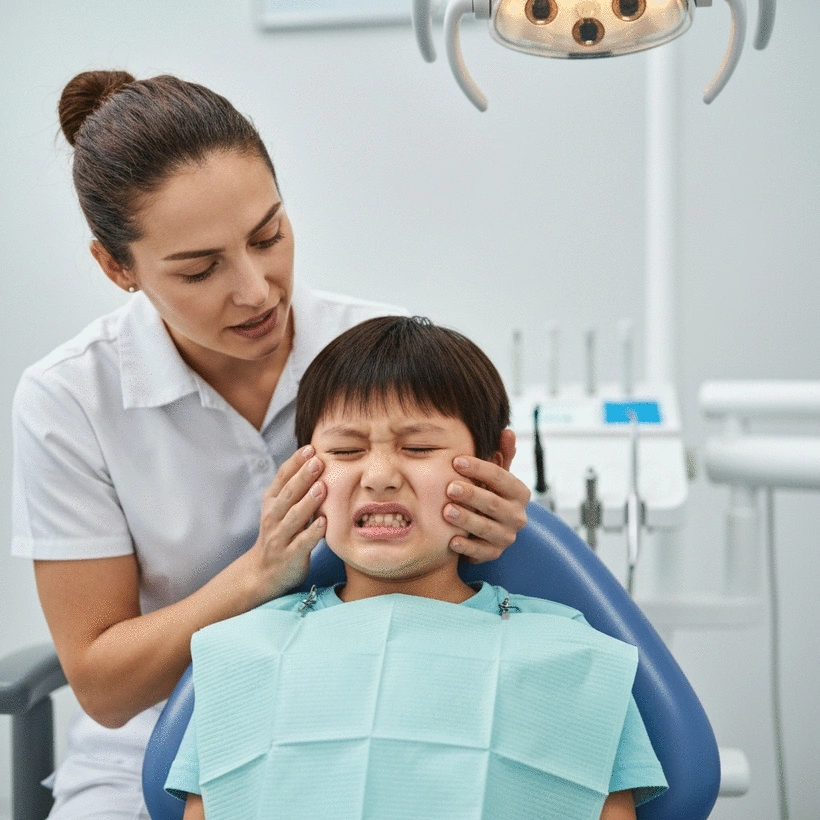
What would you do if your child knocked out a tooth? In moments of dental panic, staying informed can make all the difference. Let’s explore the crucial signs and steps you need to recognize and respond to pediatric dental emergencies!
What You Will Learn
- Common scenarios that define a pediatric dental emergency, including knocked-out teeth and severe toothaches.
- Red-flag symptoms to watch for, such as signs of infection and trauma leading to bleeding.
- Immediate steps to take when a dental emergency arises to prevent further complications.
- The importance of follow-up care and monitoring symptoms after a dental emergency.
- Resources and preparation tips for parents to effectively manage potential dental emergencies.
Understanding Pediatric Dental Emergencies and Follow-Up Care
Recognizing a pediatric dental emergency and knowing the immediate steps to take, followed by proper aftercare, are critical for a child's dental health. For general oral health tips for children, you can refer to resources from the CDC.
What Constitutes a Pediatric Dental Emergency?
- ● Knocked-out or displaced teeth
- ● Severe toothaches with swelling
- ● Signs of infection (fever, abscess)
- ● Trauma with bleeding
Immediate Steps in an Emergency
- ✓ Stay calm and reassure your child
- ✓ Assess the injury and check for bleeding
- ✓ Contact your emergency dentist immediately
Quick action can prevent further complications and ensure effective treatment.
Key Aspects of Follow-Up Care
- ‣ Schedule an appointment with pediatric dentist
- ‣ Monitor symptoms (pain, swelling)
- ‣ Follow aftercare instructions carefully
- ‣ Watch for complications (fever, increased pain)
Healing Time & Aftercare Instructions
- • Soft foods recommended for days
- • Strictly follow medication schedules
- • Gentle oral hygiene around affected area
- • Plan follow-up visits to monitor recovery
Understanding the Importance of Emergency Dental Care for Kids
When it comes to our little ones, their dental health is just as crucial as their overall well-being. As a pediatric dentist, I often see parents unsure about what defines a dental emergency for children. Understanding this can make all the difference in ensuring timely care. Let's dive into what constitutes a pediatric dental emergency and how you can recognize the signs!
It’s always better to be prepared than to panic. That’s why I’m here to help you learn about the key indicators of dental emergencies and what actions to take when they arise. Remember, quick action can sometimes prevent further complications! Professional resources, like those provided by the American Dental Association (ADA), can offer valuable guidance for dental professionals and parents alike.
What Constitutes a Pediatric Dental Emergency?
A pediatric dental emergency can encompass various situations, from a knocked-out tooth to severe pain. Here are some common scenarios that require immediate attention:
- Knocked-out or displaced teeth
- Severe toothaches accompanied by swelling
- Signs of infection, like fever or abscess
- Trauma to the mouth leading to bleeding
Recognizing these emergencies allows parents to act swiftly, which is crucial for effective treatment. Don’t hesitate—if in doubt, it’s always best to reach out for professional advice!
Recognizing Red-Flag Symptoms in Children
Knowing how to identify symptoms that indicate a dental emergency can save your child from unnecessary pain. Here are some red-flag symptoms to watch out for:
Knocked-Out or Displaced Teeth
If your child has suffered a blow to the mouth, pay attention to their teeth. A knocked-out tooth needs immediate care. Place the tooth in milk or saliva and seek help right away.
Severe Toothaches and Facial Swelling
Is your child complaining about severe tooth pain? This could indicate an underlying issue that needs addressing. Facial swelling often accompanies this and should never be ignored.
Signs of Infection: Fever and Abscess
An abscess or fever can signal a dental infection, which can be serious. Watch for any swelling, redness, or a bad taste in the mouth, and contact a dentist without delay!
Trauma and Bleeding: When to Act
In cases of trauma, bleeding can occur in the mouth. If you're noticing excessive bleeding, it’s essential to take your child to a dentist or emergency room immediately. Time is critical!
Identifying Dental Trauma: Injuries to the Mouth and Teeth
Injuries to the mouth and teeth can lead to various complications. Look for fractures, loosened teeth, or cuts inside the mouth. Always err on the side of caution and consult with a dental professional.
Immediate Steps to Take in a Dental Emergency
After recognizing a dental emergency, knowing what to do next is vital. Here are some immediate steps that can help you manage your child's situation:
- Stay calm and reassure your child.
- Assess the injury and check for bleeding.
- Contact your emergency dentist for guidance.
Taking these actions can make a significant difference in your child’s outcome. Remember, eDentistNearMe is here to help connect you with trusted local emergency dentists who specialize in pediatric care!
Pro Tip
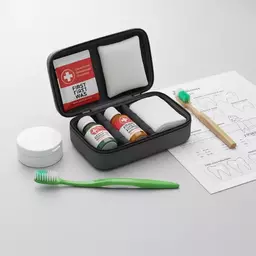
Did you know? Keeping a dental emergency kit at home can significantly reduce stress during a crisis. Include items like gauze, a small container for knocked-out teeth, pain relief medication, and your pediatric dentist's contact information. Being prepared empowers you to act quickly and confidently when your child needs immediate care!
Frequently Asked Questions About Pediatric Dental Emergencies
- 1. What are the most common pediatric dental emergencies?
- The most common pediatric dental emergencies include knocked-out or displaced teeth, severe toothaches accompanied by swelling, signs of infection (like fever or abscess), and trauma to the mouth leading to bleeding.
- 2. What should I do if my child knocks out a tooth?
- If your child knocks out a permanent tooth, handle it by the crown (not the root), rinse it gently if dirty, and try to reinsert it into the socket. If that's not possible, place it in a container of milk or the child's saliva and seek immediate dental care. Time is crucial for saving the tooth.
- 3. How can I tell if my child's toothache is an emergency?
- A toothache becomes an emergency if it is severe, accompanied by facial swelling, fever, or signs of an abscess (a pimple-like bump on the gums). These symptoms suggest a serious underlying infection that requires immediate attention.
- 4. What are the first steps to take during a dental emergency?
- First, stay calm and reassure your child. Next, assess the injury and check for any bleeding. Finally, contact your emergency pediatric dentist for guidance on the next steps.
- 5. Why is follow-up care important after a dental emergency?
- Follow-up care is vital to ensure your child's recovery progresses smoothly, minimize long-term effects, and monitor for any complications. It also allows the dentist to perform any necessary ongoing treatments and adjustments.
Wrapping Up: Ensuring Your Child's Dental Health in Emergencies
As a parent, your child's well-being is your top priority, especially during a dental emergency. Remember that understanding the steps to take after such an incident can make a significant difference in the healing process. At eDentistNearMe, we’re here to guide you through these crucial follow-up steps to ensure your child receives the care they need.
Follow-Up Care After a Dental Emergency
Once the immediate crisis is handled, it's essential to focus on follow-up care. This step is vital for ensuring your child's recovery progresses smoothly and minimizing any long-term effects. Here are some key aspects of follow-up care:
- Schedule an appointment with your pediatric dentist as soon as possible.
- Monitor any symptoms such as pain or swelling.
- Follow the dentist's aftercare instructions carefully.
- Keep an eye out for any signs of complications, like fever or increased pain.
By staying proactive and attentive, you can help your child transition from an emergency situation to a complete recovery.

Reassurance for Parents: Staying Calm and Informed
Dental emergencies can be overwhelming, but remember that you’re not alone in this. Staying calm is crucial, both for you and your child. When your child sees you composed, it gives them a sense of security during a frightening time. Here’s how you can manage the situation effectively:
- Talk to your child about what happened and reassure them that help is on the way.
- Gather all necessary information for the dentist, like symptoms and how the injury occurred.
- Stay informed about common dental emergencies by visiting resources like eDentistNearMe.
Your knowledge and calm demeanor can help ease your child’s anxiety, fostering a supportive environment that allows them to heal. Don’t forget to reach out to your pediatric dentist with any questions or concerns!
Understanding Healing Time and Aftercare Instructions
After a dental emergency, knowing what to expect regarding healing is essential. Healing times will vary based on the injury, but it’s crucial to follow any aftercare instructions given by your dentist. Some general points to consider include:
- Soft foods are recommended for several days post-emergency.
- Follow any prescribed medication schedules strictly.
- Maintain good oral hygiene while being gentle around the affected area.
- Plan follow-up visits to monitor recovery progress.
Each child's recovery can differ, so stay in touch with your dentist to ensure the best possible care during this time!
Act Quickly: Your Child's Dental Health Matters
When it comes to your child's dental health, swift action is key! Knowing what to do after an emergency can significantly impact their recovery. At eDentistNearMe, we’re passionate about ensuring you have the tools and resources necessary to respond effectively.
Contact Your Pediatric Dentist for Ongoing Care
After the immediate situation is resolved, don't hesitate to reach out to your pediatric dentist for ongoing care. They will provide guidance on maintaining your child's dental health and preventing future emergencies. Regular check-ups can help identify potential issues before they escalate.
Be Prepared: Resources for Future Emergencies
Preparation is essential in managing dental emergencies. Here are some resources and tips every parent should have on hand:
- Keep a list of local emergency dentists handy, including eDentistNearMe for quick access.
- Create a personalized emergency dental kit, including items like gauze and pain relief medication.
- Educate your child on basic dental safety, especially if they participate in sports.
Preparation empowers you to respond effectively, ensuring your child’s dental health is always a priority!
Emergency Protocols: What Every Parent Should Know
Understanding emergency protocols can save precious time in a crisis. Familiarize yourself with:
- Signs of dental emergencies and the immediate actions to take.
- How to contact emergency dental services quickly.
- Important information to provide the dentist or emergency staff.
Being informed will help you remain calm and collected during emergencies, allowing you to focus on your child’s needs.
Utilizing Dental Insurance for Emergency Situations
Lastly, knowing how your dental insurance works in emergency situations can reduce stress. Be sure to:
- Review your policy for coverage specifics regarding dental emergencies.
- Keep your insurance information accessible for quick reference. For information on children's dental benefits, particularly for those covered by public programs, please consult resources like the Medicaid Child Dental Guide.
By understanding your coverage, you can make informed decisions when it matters most!
Recap of Key Points
Here is a quick recap of the important points discussed in the article:
- Recognize signs of a dental emergency: knocked-out teeth, severe toothaches, signs of infection, and trauma to the mouth.
- Act quickly and contact your pediatric dentist for guidance when a dental emergency occurs.
- Follow up with your child's pediatric dentist to ensure proper recovery after a dental emergency.
- Prepare an emergency dental kit and keep a list of local emergency dentists for quick access.
- Stay calm and reassure your child during a dental emergency to help alleviate their anxiety.