Understanding Dental Implant Costs

Understanding the financial landscape of dental implants is crucial for making informed decisions about your oral health. With various factors influencing costs, being prepared can help you navigate this journey effectively. Here are the essential insights from the article:
What You Will Learn
- Quality of materials used in implants can significantly impact overall costs.
- Complex procedures, such as bone grafting, increase the total expense of dental implants.
- The dentist's experience may result in higher fees due to their expertise.
- Geographical location plays a vital role in determining pricing for dental services.
- Different types of implants are tailored for specific needs, affecting both cost and suitability.
- Creating a personalized budget involves considering all related expenses, not just the procedure.
- Asking the right questions during your consultation can ensure clarity on costs and options.
- Understanding the full patient journey helps you prepare for each step of the implant process.
Comparing Dental Implant Costs and Types
This visual breaks down the key factors influencing dental implant costs and compares different implant types to help you make informed decisions.
Factors Influencing Implant Cost
Material Quality
High-quality options may come at a premium.
Procedure Complexity
Additional procedures like bone grafting.
Dentist Experience
Highly skilled professionals may charge more.
Geographic Location
Urban areas often have higher operating costs.
Single vs. Full-Mouth Implants
Single Tooth Implants
Less expensive, ideal for one missing tooth.
Full-Mouth Restorations
More time, higher cost, better long-term oral health.
Advanced Implant Solutions
Mini Implants
Less invasive, quicker, often for securing dentures.
Implant-Supported Bridges
Stability for multiple teeth, fewer individual implants.
Zygomatic Implants
For severe bone loss, anchor into cheekbone.
All-on-4 vs. All-on-6
All-on-4 Implants
4 implants for full arch, cost-effective.
All-on-6 Implants
6 implants for full arch, enhanced stability.
Understanding the Financial Landscape of Dental Implants
When considering dental implants, understanding the financial landscape can feel overwhelming. But don’t worry! At eDentistNearMe, we’re here to break it down for you. Knowing what factors influence the cost can help you plan better and make informed decisions. Let's dive right in!

What Factors Influence the Cost of Dental Implants?
The cost of dental implants isn’t just a flat rate; it varies based on several factors. Here are a few key components that can affect pricing:
- Material Quality: Implants can be made from various materials, and high-quality options may come at a premium.
- Procedure Complexity: Additional procedures, like bone grafting, can increase the total cost.
- Experience of the Dentist: Highly skilled dental professionals may charge more for their expertise.
Understanding these components helps you get a clearer picture of what to expect. It’s essential to discuss all these factors with your dentist during your consultation. For more detailed information on dental implants, the National Institute of Dental and Craniofacial Research (NIDCR) provides comprehensive resources.
Breaking Down Individual Cost Components
Let’s break down some of the individual costs associated with dental implants:
- Initial Consultation: This is where you’ll discuss your needs and treatment options.
- Implant Placement: The surgical procedure where the implant is inserted into the jawbone.
- Abutment and Crown: The final pieces that restore the implant’s function and appearance.
Each of these components plays a role in the overall cost of dental implants, so being aware of them can help you budget more effectively. For insights into financing options, CareCredit offers valuable information on managing dental implant costs.
How Location Affects Pricing
Your geographical location significantly impacts the cost of dental implants. In urban areas, for example, dental services might be more expensive due to higher operating costs. Conversely, rural areas might offer lower prices, but you may find fewer specialized dental offices to choose from.
It's helpful to research local dental practices and compare their prices. You might be surprised at the options available near you!
Comparing Different Types of Dental Implants
Not all dental implants are created equal! Understanding the differences can help you choose the best option for your needs. Here’s a comparison of some common types:
- Single Tooth Implants: Ideal for replacing one missing tooth.
- Full-Mouth Restorations: Designed for patients needing multiple implants.
- Mini Implants: Smaller in size and often used for securing dentures.
- Implant-Supported Bridges: A solution for those missing several teeth in a row.
Each type of implant serves a unique purpose and comes with different costs. Discussing your specific needs with a dentist can help you find the right fit!
Single Tooth Implants vs. Full-Mouth Restorations
When choosing between a single tooth implant and a full-mouth restoration, consider the following:
- Cost: Single implants tend to be less expensive than full restorations.
- Time: Full-mouth restorations usually require more time to complete.
- Long-Term Benefits: Investing in full restorations can lead to better overall oral health.
Choosing the right option depends on your unique situation and budget, so make sure to consult with your dentist!
Exploring Mini Implants and Implant-Supported Bridges
Mini implants and implant-supported bridges are excellent alternatives for certain cases. Here’s why you might consider them:
- Mini Implants: Less invasive and often quicker to place.
- Implant-Supported Bridges: Provide stability for multiple teeth while reducing the need for individual implants.
These options can offer substantial savings and time benefits while still ensuring a healthy smile!
Exploring Advanced Dental Implant Types
Dental technology is ever-evolving, leading to advanced implant types that may better suit specific needs. Let's explore a couple of these innovative options:
Understanding Zygomatic Implants and Their Benefits
Zygomatic implants are a fantastic solution for patients with significant bone loss. Here’s what you should know:
- Placement: These implants anchor into the cheekbone rather than the jaw.
- Benefits: They can provide stability without the need for bone grafting.
If you've been told you lack enough bone for standard implants, zygomatic implants might be the ideal solution for you! Further research on advanced implant techniques, including zygomatic implants, can be found in a study published by the National Center for Biotechnology Information (NCBI).
Differences Between All-on-4 and All-on-6 Implants
All-on-4 and All-on-6 implants are designed to support full-arch prostheses. Here’s how they differ:
- All-on-4: Utilizes four implants strategically placed, making it a cost-effective option.
- All-on-6: Offers enhanced stability with six implants, potentially providing a stronger foundation.
Weighing the pros and cons of each can help you determine the best approach for your dental health and financial situation.
Frequently Asked Questions About Dental Implants
What factors primarily influence the cost of dental implants?
The cost of dental implants is influenced by several factors including the quality of materials used, the complexity of the procedure (e.g., if bone grafting is required), the experience and expertise of the dentist, and the geographical location of the dental practice.
Are there different types of dental implants, and how do they impact cost?
Yes, there are various types of dental implants such as single tooth implants, full-mouth restorations, mini implants, and implant-supported bridges, as well as advanced options like Zygomatic implants, All-on-4, and All-on-6. Each type is designed for specific needs and comes with different cost implications based on material, complexity, and number of implants required.
How can I budget effectively for dental implants?
To budget effectively, research typical costs in your area, set a realistic budget that includes all potential expenses (consultations, follow-ups, preliminary treatments), understand your dental insurance coverage, and prepare a list of questions about financing options to discuss with your dentist.
What should I expect during the initial dental implant consultation?
During your initial consultation, your dentist will conduct a comprehensive assessment of your oral health, review your dental and medical history, take X-rays or scans to evaluate bone density, and discuss your goals and expectations for the procedure. This helps determine your candidacy and plan the treatment effectively.
What is the full patient journey for dental implants?
The dental implant journey typically includes an initial consultation, any necessary preliminary treatments like bone grafting, the surgical implant placement, a healing period for the implant to integrate with the jawbone, and finally, the placement of the abutment and custom crown to complete the restoration.
We Want to Hear From You!
When considering dental implants, what factor do you believe is most important in influencing your decision? Share your thoughts below:
Taking Control of Your Dental Implant Journey
Embarking on the journey to get dental implants can feel overwhelming, but with the right approach, you can take control of the process! At eDentistNearMe, we believe that understanding your financial responsibilities and planning ahead is key to achieving the smile you desire.
Creating a personalized budget for your dental implants involves more than just the cost of the procedure itself. You need to consider additional expenses like consultations, follow-up visits, and any necessary preliminary treatments. Let’s dive into how you can prepare for this journey effectively!
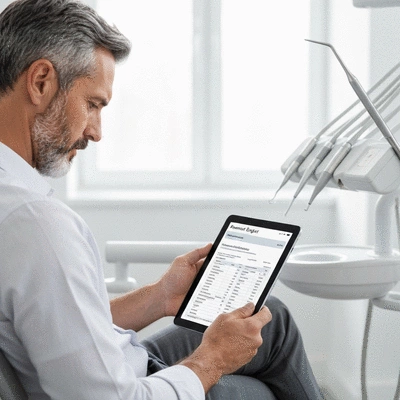
Creating a Personalized Budget for Dental Implants
Budgeting for dental implants is essential for a smooth experience. Here are some steps to help you prepare for your consultation:
- Research the typical costs of dental implants in your area.
- Set a realistic budget that includes all potential expenses.
- Consider your dental insurance coverage and out-of-pocket limits.
- Prepare a list of questions to discuss with your dentist about financing options.
When you have a clear understanding of what to expect financially, you can focus on what matters most—your dental health. Engaging with your dentist during the initial consultation is crucial to ensure all your questions are answered and to avoid surprises later on!
Steps to Prepare for Your Consultation: Questions to Ask
During your consultation, it's vital to ask the right questions. Here are some key inquiries you might consider:
- What is the total estimated cost for my dental implants?
- Are there additional costs for consultations or follow-up appointments?
- What payment options do you offer?
- How does my dental insurance apply to the procedure?
These questions will help you gather the information you need to make an informed decision, ensuring you feel confident about moving forward.
Understanding the Full Patient Journey from Consultation to Final Crown
The patient journey for dental implants is a series of important steps. Here’s a brief overview:
- Consultation: Initial evaluation and discussion of your specific needs.
- Preliminary Treatments: Any necessary procedures like bone grafting.
- Implant Placement: The surgical procedure where the implant is placed.
- Healing Period: Time for your jaw to heal and integrate the implant.
- Final Crown Placement: Attaching the custom crown for a complete restoration.
Each step in this journey is essential for achieving lasting results, so being patient and following your dentist’s instructions will ensure the best outcome!
Pre-Implant Assessment and Candidacy for Dental Implants
Before you can receive dental implants, a thorough assessment is needed to determine your candidacy. This evaluation helps ensure your mouth is ready for the procedure!
What to Expect During Your Dental Consultation
During your initial consultation, expect a comprehensive assessment of your oral health. Your dentist will:
- Review your dental and medical history.
- Conduct a thorough examination of your teeth and gums.
- Take necessary X-rays or scans to assess bone density.
- Discuss your goals and expectations for the procedure.
This proactive approach helps identify any potential concerns and prepares you for a successful implant journey! Remember, at eDentistNearMe, we’re here to guide you through every step of the way.
Recap of Key Points
Here is a quick recap of the important points discussed in the article:
- Factors Influencing Cost: The cost of dental implants can vary based on material quality, procedure complexity, and the experience of the dentist.
- Types of Implants: Different types of dental implants, such as single tooth implants, full-mouth restorations, mini implants, and implant-supported bridges, cater to various needs.
- Geographical Impact: The location of the dental practice can significantly affect pricing, with urban areas generally being more expensive.
- Budgeting Steps: Research costs, set a realistic budget including all expenses, and discuss financing options with your dentist during the consultation.
- Patient Journey: Understand the steps from initial consultation to final crown placement to ensure a smooth process.