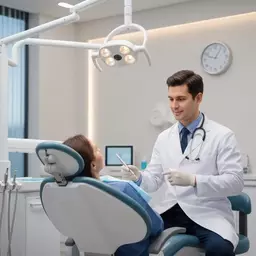
Common Dental Emergencies and Prevention
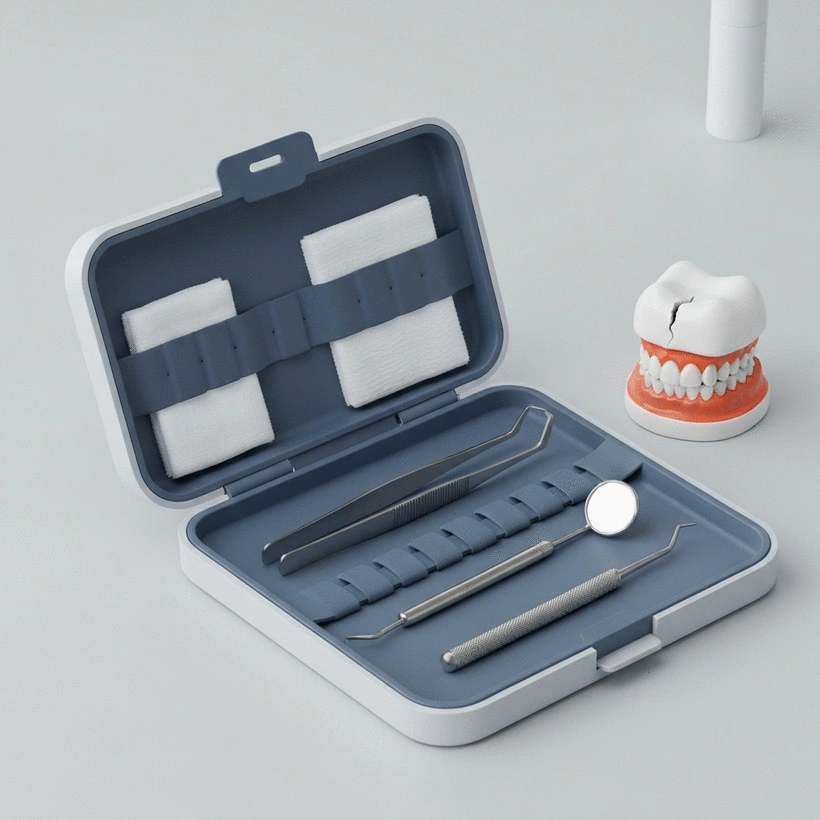
Have you ever found yourself in a dental emergency and wished you were better prepared? Understanding how to respond can make all the difference in preserving your smile and health.
What You Will Learn
- Recognizing the most common dental emergencies, including chipped teeth, knocked-out teeth, and infections.
- Differentiating between traumatic injuries and infectious dental issues to determine the appropriate response.
- Understanding unique considerations for pediatric dental emergencies and how to assist children effectively.
- Implementing preventive practices like regular checkups and daily oral hygiene to reduce the risk of emergencies.
Types of Dental Emergencies
Dental emergencies can be broadly categorized into two main types, each requiring different approaches and understanding.
Traumatic Injuries (Accidents, Sports-Related)
- Chipped/Broken Teeth
- Knocked-Out Teeth
- Soft Tissue Injuries
Immediate physical impact.
Infectious Issues (Gradual Onset, Underlying Conditions)
- Persistent Toothaches
- Lost Fillings
- Gum Disease/Abscesses
Often progressive conditions.
Understanding Common Dental Emergencies
Dental emergencies can happen when you least expect them, and knowing how to recognize and react to these situations is vital for your health and comfort. At eDentistNearMe, we want to help you navigate dental emergencies with confidence. Let’s explore the most common types of dental emergencies together!
Identifying the Most Frequent Dental Emergencies
It's essential to be aware of various types of dental emergencies, including:
- Chipped or Broken Teeth: Causes and Immediate Actions
- Knocked-Out (Avulsed) Teeth: What to Do in an Emergency
- Persistent Toothaches: Differentiating Between Pain Types and Possible Causes
- Lost Fillings: Managing Discomfort and Risks
- Soft Tissue Injuries: Recognizing Symptoms and Treatment Options
- Infections: Understanding Long-term Risks and Signs of Gum Infections and Abscessed Teeth

Recognizing these emergencies early can make all the difference. For instance, if you experience a knocked-out tooth, keeping it moist in milk or saliva while seeking help can improve the chances of saving it! For more detailed guidance on what to do during a dental emergency, you can refer to resources from the American Dental Association's MouthHealthy site, which provides comprehensive information on various urgent dental care scenarios.
Traumatic vs. Infectious Dental Emergencies
Dental emergencies can be categorized into two main types: traumatic injuries and infectious issues. Understanding the distinction between these categories can help you react appropriately:
- Traumatic Injuries: These often result from accidents or sports-related incidents, like dental trauma that can lead to broken or lost teeth.
- Infectious Issues: Conditions like gum disease, including gingivitis and periodontitis, can escalate quickly if not addressed.
Whether it’s a sports mishap or the gradual onset of gum disease, knowing when to seek help is crucial for maintaining your dental health.
Pediatric Dental Emergencies: Unique Considerations for Children
Children often experience different kinds of dental emergencies compared to adults. Here’s what makes pediatric emergencies unique:
- Common Emergencies in Children: Toothaches, oral injuries from falls, and wisdom teeth issues.
- How to Assist Children During a Dental Emergency: Staying calm and reassuring them while seeking help can make a significant difference.
As a parent, knowing how to respond when your child has a dental emergency can help alleviate their fears and ensure they get the care they need promptly! The Missouri Department of Health & Senior Services offers valuable advice on dental emergency preparedness, including specific considerations for children.
Frequently Asked Questions About Dental Emergencies
- What are the most common types of dental emergencies?
- The most common dental emergencies include chipped or broken teeth, knocked-out teeth, persistent toothaches, lost fillings, soft tissue injuries, and infections like gum disease or abscesses.
- How do I differentiate between a traumatic dental injury and an infectious issue?
- Traumatic injuries typically result from accidents or physical impact (e.g., falls, sports injuries), leading to issues like broken or knocked-out teeth. Infectious issues, on the other hand, usually have a more gradual onset and are caused by underlying conditions like severe tooth decay or gum disease, leading to persistent pain, swelling, or abscesses.
- What should I do if my child has a dental emergency?
- Stay calm and reassure your child. For a knocked-out tooth, try to keep it moist (in milk or saliva) and seek immediate dental help. For other injuries or severe pain, contact a dentist as soon as possible. Pediatric dental emergencies often require specific approaches due to a child's developing teeth.
- Can I prevent dental emergencies?
- Many dental emergencies can be prevented through proactive practices. These include scheduling regular dental checkups, maintaining daily oral hygiene with consistent brushing and flossing, and staying informed about dental health risks and prevention strategies. The CDC provides excellent resources on oral health prevention.
- When should I seek professional help for a dental emergency?
- You should seek professional dental help immediately for severe pain, knocked-out teeth, uncontrolled bleeding, significant facial swelling, or any injury that affects your ability to eat or speak. Early intervention can often save a tooth and prevent more serious complications.
We Want to Hear From You!
What is your biggest concern when it comes to dental emergencies? Share your thoughts below:
Summarizing Key Takeaways on Dental Emergencies
Understanding and preventing dental emergencies is essential for maintaining your oral health. Being aware of the types of emergencies, such as toothaches and oral injuries, can help you respond effectively when they arise.
As we discussed earlier, prevention is key! Regular dental visits not only help catch potential issues early but also keep your teeth and gums in top shape.
- Awareness of Common Types of Emergencies: Including Toothaches and Oral Injuries
- Effective Prevention Techniques to Maintain Dental Health, like Regular Dental Visits
- Knowing When and How to Seek Professional Help: Identifying Urgent Dental Care Needs
Encouraging Proactive Dental Health Practices
At eDentistNearMe, we believe that taking charge of your dental health is crucial. I encourage you to implement some proactive practices to avoid those dreaded emergencies!
Simple daily routines can make a world of difference in your oral health. Here are some key practices to keep in mind:
- Schedule Regular Checkups with Your Dentist for Preventive Dental Care
- Implement Daily Oral Hygiene Routines: Importance of Flossing and Mouthwash
- Stay Informed about Dental Health Risks and Prevention Strategies

Join Our Community for More Dental Insights
Let’s stay connected! Subscribe to our community for more tips, checklists, and resources related to dental emergencies and overall oral health. Together, we can tackle any dental challenge that comes our way!
Recap of Key Points
Here is a quick recap of the important points discussed in the article:
- Recognize common dental emergencies such as chipped teeth, knocked-out teeth, and persistent toothaches.
- Understand the difference between traumatic injuries and infectious issues to respond appropriately.
- For children, remain calm and provide reassurance during dental emergencies.
- Schedule regular dental checkups to prevent emergencies before they occur.
- Be aware of when to seek professional dental help for urgent care needs.