Ice or Heat: When to Use
When dental pain strikes, understanding the type of pain you’re experiencing can be your best weapon against discomfort. Are you facing acute or chronic pain? This knowledge is crucial for effective treatment.
What You Will Learn
- The distinction between acute and chronic dental pain and its significance in treatment.
- Common causes of dental pain, including cavities, TMJ disorders, and infections.
- The benefits of using ice and heat therapy for managing dental discomfort effectively.
- Key signs indicating when you should seek professional dental help to avoid further complications.
- Natural remedies that can complement traditional pain relief methods for enhanced comfort.
- How combining various pain relief strategies, including analgesics, can provide more effective management of dental pain.
Dental Pain Management: Ice vs. Heat and When to Seek Help
Understanding the immediate response to dental pain and knowing when professional intervention is crucial can significantly improve outcomes. This visual outlines the typical applications of ice and heat therapy and highlights critical signs for dental consultation.
Immediate ReliefIce Therapy: What It Does
- ✓Reduces inflammation
- ✓Numb pains
- ✓Slows blood flow (acute)
Best for acute injuries, swelling, or throbbing pain.
Relaxation & Blood FlowHeat Therapy: What It Does
- ✓Increases blood circulation
- ✓Relaxes muscles
- ✓Alleviates tension (chronic)
Ideal for muscle soreness, stiffness, or jaw discomfort.
Critical SignsWhen to See a Dentist
- ⚠Persistent Pain (> few days)
- ⚠Severe Discomfort
- ⚠Swelling or Fever
- ⚠Visible Infection (pus)
Do not delay professional evaluation for these symptoms.
Complementary CareAlternative Remedies
- ✓Saltwater Rinses (inflammation)
- ✓Clove Oil (temporary numbing)
- ✓Garlic (antibacterial properties)
Consult a dentist before relying solely on these methods.
Understanding Dental Pain: The Role of Ice and Heat
When it comes to dental pain, understanding what you’re dealing with is the first step to finding relief. There are two primary types of pain: acute and chronic. Acute pain is sudden and often intense, typically associated with conditions like toothaches or dental injuries. In contrast, chronic pain persists over time, often connected to ongoing issues such as TMJ disorders or recurring swelling from infections.

Common dental problems that can lead to pain include:
- Toothaches from cavities or abscesses
- TMJ disorders causing jaw discomfort
- Gum swelling due to infections or inflammation
Recognizing the type of pain you’re experiencing can guide your approach to treatment. For instance, acute pain may require immediate care, while chronic discomfort might need a more comprehensive management strategy.
Identifying the Type of Dental Pain
To effectively manage dental pain, it’s crucial to identify whether you’re dealing with acute or chronic pain. Acute pain typically results from sudden injuries or infections, while chronic pain may stem from long-standing conditions like teeth grinding or jaw clenching. Have you been feeling persistent discomfort? Understanding these distinctions can help you decide when to seek professional help.
Some common causes of dental pain include:
- Cavities or tooth decay
- Periodontal disease affecting gums
- Injury to teeth or jaw
When you recognize these signs, it’s essential to act swiftly. Remember, if the pain is severe or ongoing, don’t hesitate to reach out to a dentist through eDentistNearMe! We’re here to connect you with reliable professionals who can provide the care you need.
The Science Behind Ice and Heat Therapy
Understanding the science behind ice and heat therapy can empower you to manage dental pain effectively. Ice therapy works by causing blood vessels to constrict, which helps reduce swelling and numb pain, as detailed by the Mayo Clinic's guide on ice and heat treatment. On the other hand, heat therapy promotes blood flow, providing muscle relaxation and easing discomfort, a principle further explained by sources like OrthoInfo from the American Academy of Orthopaedic Surgeons. Have you ever tried alternating between ice and heat? It can be a game-changer!
Here's how each therapy works on your body:
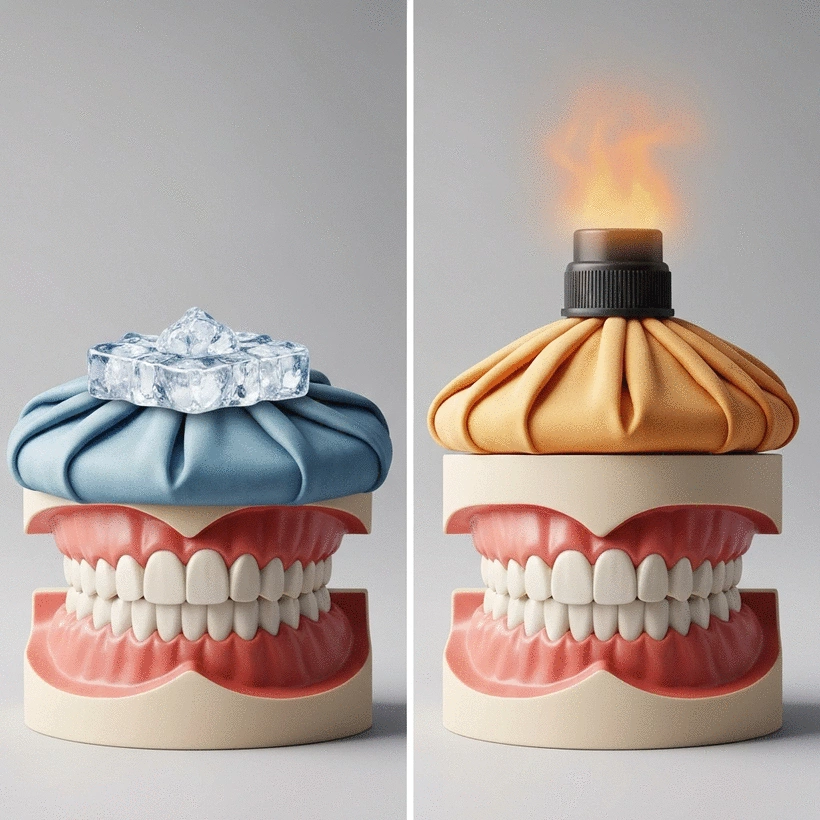
- Ice: Reduces inflammation, numbs pain, and slows blood flow.
- Heat: Increases blood circulation, relaxes muscles, and alleviates tension.
Both therapies can be beneficial, depending on the situation. Knowing when to use each can help you achieve optimal relief from dental discomfort. For more detailed information on preventing heat illness and understanding body responses, you can refer to resources like the CDC's guidelines on heat illness prevention.
Did You Know?
According to recent studies, nearly 80% of adults experience some form of dental pain in their lifetime. Understanding how to manage this pain effectively can significantly improve your quality of life.
Making Informed Choices for Dental Pain Relief
When you're dealing with dental pain, it can be tough to know when to handle it at home and when it's time to reach out for professional help. It’s essential to recognize the signs that indicate a visit to your dentist is necessary. Ignoring these symptoms can lead to more significant issues down the line. So, let's break down some clear signs that you should consider consulting a dental professional.
When to Seek Professional Help
- Persistent Pain: If your dental pain lasts more than a few days without improvement, it’s time to seek help.
- Severe Discomfort: Intense pain that disrupts your daily activities or sleep is a clear signal.
- Swelling or Fever: If you experience facial swelling or fever alongside pain, don't wait—connect with a dentist.
- Visible Infection: Signs of infection, like pus or a bad taste in your mouth, require immediate attention.
As a dental professional with years of experience, I always advise my patients at eDentistNearMe to trust their instincts. If something feels off, don’t hesitate to contact us or your local emergency dentist!

Exploring Alternative Remedies Alongside Ice and Heat
While ice and heat can be great immediate solutions for dental discomfort, there are also natural remedies worth exploring. Many individuals find relief through these alternative treatments, which can complement traditional methods.
- Saltwater Rinses: This simple solution can help reduce inflammation and cleanse the mouth.
- Clove Oil: Known for its numbing properties, clove oil can provide temporary relief from toothaches.
- Garlic: Its antibacterial properties can help combat infections, making it a natural remedy.
It’s fascinating how nature offers such effective options! However, I always suggest consulting with a dentist before trying these remedies, especially if your condition persists.
Integrating Pain Relief Methods: Analgesics and Home Remedies
Combining various methods can also enhance your pain management strategy. Over-the-counter analgesics, such as ibuprofen or acetaminophen, can be effective when used alongside ice and heat treatments.
- Use as Directed: Follow dosage instructions carefully to avoid any side effects.
- Combine with Ice: Ice can help numb the pain while the analgesic takes effect.
- Consider Timing: Use heat therapy when the pain shifts from acute to a more chronic discomfort, like clenching or grinding.
Finding a balance between these different options can provide a more comprehensive approach to managing your dental pain. At eDentistNearMe, we focus on empowering our patients with the tools they need for effective care!
Frequently Asked Questions (FAQs)
Q1: What is the difference between acute and chronic dental pain?
A1: Acute dental pain is sudden and often intense, usually caused by immediate issues like toothaches or injuries. Chronic dental pain, however, persists over a longer period, often linked to ongoing conditions such as TMJ disorders or recurring infections.
Q2: When should I use ice therapy versus heat therapy for dental pain?
A2: Ice therapy is best for acute pain, swelling, or throbbing pain as it reduces inflammation and numbs the area. Heat therapy is ideal for muscle soreness, stiffness, or jaw discomfort because it increases blood circulation and relaxes muscles.
Q3: What are the critical signs that indicate I should see a dentist?
A3: You should seek professional dental help if you experience persistent pain (lasting more than a few days), severe discomfort, facial swelling, fever alongside pain, or visible signs of infection like pus.
Q4: Can natural remedies effectively replace professional dental treatment?
A4: Natural remedies like saltwater rinses, clove oil, and garlic can complement traditional pain relief methods and offer temporary relief. However, they should not replace professional dental evaluation, especially if your condition persists or worsens. Always consult a dentist.
Q5: How can I combine different pain relief methods for better results?
A5: You can combine over-the-counter analgesics (like ibuprofen or acetaminophen) with ice treatments for acute pain. Use heat therapy for chronic discomfort such as muscle tension. Always follow dosage instructions for medications and consult a dentist for a comprehensive management plan.
Recap of Key Points
Here is a quick recap of the important points discussed in the article:
- Types of Dental Pain: Differentiate between acute pain, which is sudden and intense, and chronic pain, which persists over time.
- Common Causes: Be aware of common dental issues that lead to pain, including cavities, TMJ disorders, and gum disease.
- Ice and Heat Therapy: Use ice to reduce inflammation and numb pain, while heat can promote blood flow and relax muscles.
- When to Seek Help: Recognize signs that require professional dental assistance, such as persistent pain, severe discomfort, or visible infection.
- Alternative Remedies: Consider natural remedies like saltwater rinses, clove oil, and garlic as complementary treatments.
- Combining Methods: Integrate over-the-counter analgesics with ice and heat treatments for enhanced pain management.