Stress, Sleep, and Dental Pain

Have you ever considered how intertwined stress, sleep, and dental health truly are? Understanding this connection could be the key to achieving better oral well-being!
What You Will Learn
- Stress can trigger muscle tension, leading to teeth grinding and increased dental pain.
- Poor sleep quality exacerbates inflammation, worsening existing dental issues and discomfort.
- The cycle of stress, sleep disturbances, and dental pain can significantly impact overall quality of life.
- Cortisol, known as the "stress hormone," can lead to increased inflammation and slower recovery from dental procedures.
- Consulting with dental professionals can provide tailored treatment plans and preventive care for better oral health.
- Effective pain relief strategies include over-the-counter medications, cold compresses, and relaxation techniques.
The Stress-Sleep-Oral Health Cycle
This visual illustrates the interconnected cycle between stress, sleep, and dental pain, highlighting how each factor influences the others.
Stress Triggers Muscle Tension
Increased stress often leads to clenching and grinding of teeth, particularly in the jaw, contributing to discomfort.
Poor Sleep Affects Recovery
Lack of restorative sleep can worsen inflammation and make pain more intense, impeding the body's healing process.
Dental Pain Leads to Stress
Ongoing discomfort from dental issues can create anxiety, further disrupting sleep patterns and creating a vicious cycle.
Cortisol's Impact on Oral Health
Elevated cortisol levels increase inflammation, decrease healing, and heighten dental sensitivity, worsening existing issues.
The Hidden Links Between Stress, Sleep, and Dental Pain
Have you ever wondered how stress and sleep are intertwined with your dental health? It’s more connected than you might think! Many individuals experience dental pain, which can often be traced back to stress and poor sleep. This connection plays a significant role in conditions such as bruxism (teeth grinding) and jaw pain. Understanding this cycle is the first step toward relief and better oral health.
When stress levels rise, our bodies respond in various ways. One of these responses can lead to increased muscle tension, particularly in the jaw, which contributes to discomfort and pain. Poor sleep can further exacerbate these issues, creating a vicious cycle that impacts your overall well-being. The link between sleep disorders, such as dental apnea, and chronic pain, including dental pain, is becoming increasingly recognized by researchers, highlighting the systemic nature of these health concerns. You can learn more about this connection at Medical Xpress.
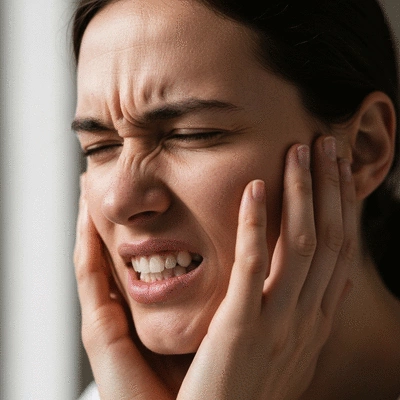
Understanding the Stress-Sleep-Oral Health Cycle
- Stress triggers muscle tension: Increased stress often leads to clenching and grinding of teeth.
- Poor sleep affects recovery: Lack of restorative sleep can worsen inflammation and make pain more intense.
- Dental pain leads to stress: Ongoing discomfort can create anxiety about dental health, further disrupting sleep patterns.
This cycle is not just a temporary nuisance; it can significantly impact your quality of life. By recognizing the links between stress, sleep, and dental pain, you can take proactive steps to break this cycle.
How Stress Leads to Teeth Grinding and Jaw Pain
It’s no secret that stress can have serious physiological effects on our bodies. When you’re feeling overwhelmed, your body responds by tightening muscles, particularly around the jaw. This tension can lead to conditions like bruxism, where you unconsciously grind or clench your teeth, especially at night.
On a psychological level, stress can cause anxiety about various aspects of life, including health. This anxiety can trigger or worsen oral health issues, making it essential to address both the mental and physical aspects of stress.
The Role of Sleep Quality in Oral Health
Quality sleep is crucial for overall health, including your oral health! When we don’t get enough restorative sleep, our bodies struggle to combat inflammation. This can worsen existing dental issues and lead to more pain. Think about it—when you’re tired, your body doesn’t heal as efficiently, making any dental issues feel more pronounced. Research published in the Journal of Oral and Facial Pain and Headache further emphasizes the profound impact of poor sleep on oral health, highlighting how sleep disturbances can contribute to and exacerbate various dental problems.
Additionally, poor sleep can lead to heightened stress levels, creating a cycle where dental pain and sleeplessness feed into each other. It’s a reminder of how important it is to prioritize both quality sleep and stress management in our daily lives.
The Impact of Cortisol on Oral Health
Cortisol, often referred to as the “stress hormone,” plays a significant role in how our bodies respond to stress. Elevated cortisol levels can lead to inflammation and a decrease in the body’s ability to fight infections. This means that stress doesn’t just make us feel bad mentally; it can actually worsen dental issues!
- Increased inflammation: High cortisol levels can lead to gum disease and tooth decay.
- Decreased healing: Hormonal imbalances can slow down recovery from dental procedures or injuries.
- Heightened sensitivity: Stress can make existing dental pain feel more intense.
Recognizing how cortisol affects your oral health is crucial. By managing stress effectively, you can maintain better dental health and overall well-being.
Pro Tip
Did you know that incorporating relaxation techniques into your nightly routine can significantly improve your sleep quality and help reduce dental pain? Try practices such as deep breathing, meditation, or gentle yoga before bed to ease stress and tension in your jaw. Not only can this help you sleep better, but it may also minimize the risk of bruxism and its associated discomfort!
Taking Action: Steps to Improve Your Dental and Sleep Health
It's clear that stress, sleep, and dental pain are intricately connected. Managing these elements proactively can significantly enhance your overall well-being. Whether it’s through addressing your sleep quality or seeking solutions for dental discomfort, taking action is key! Let’s explore some practical steps to improve your dental and sleep health.

Consulting with Professionals for Comprehensive Care
One of the most effective ways to tackle dental pain and its connection to stress and sleep is by consulting with dental professionals. Here’s why it’s important:
- Customized Treatment Plans: Every individual’s needs are unique. A personalized treatment plan can address specific concerns related to your dental health and stress levels.
- Preventive Care: Regular dental check-ups can help catch issues early and prevent further complications, ensuring your oral health remains in check.
- Expert Guidance: Professionals like those at eDentistNearMe can provide insights into managing stress and sleep-related dental issues effectively.
Don’t underestimate the value of seeking expert advice. Taking that first step to consult with a dentist can lead you toward a healthier future. Remember, your comfort and health are at stake!
Understanding Pain Relief Strategies for Dental Issues
When it comes to managing dental pain related to stress and sleep disturbances, understanding your options is crucial. Here’s a quick overview of effective pain relief strategies:
- Over-the-Counter Medications: Non-prescription pain relievers can be a great initial solution for managing discomfort.
- Cold Compress: Applying a cold compress to the affected area may help reduce swelling and numb the pain.
- Relaxation Techniques: Methods such as deep breathing or mindfulness can help alleviate stress, which may also reduce pain perception.
- Dental Treatments: Depending on the cause of your pain, treatments like fillings, crowns, or even night guards can be effective.
By understanding these strategies, you can make informed choices that not only mitigate dental pain but also improve your overall quality of life. Remember, finding the right relief is essential to breaking the cycle of stress and sleep disturbances!
Your Path to Better Sleep and Dental Health Starts Here
It’s essential to recognize the importance of addressing stress and sleep issues to achieve optimal dental health. As a passionate advocate for patient well-being, I encourage you to take action on these fronts! Understanding and managing your dental pain can lead to improved sleep and reduced stress levels.
Frequently Asked Questions (FAQs)
How does stress impact my dental health?
Stress can lead to increased muscle tension, particularly in the jaw, which often results in teeth grinding (bruxism) and jaw pain. It can also elevate cortisol levels, causing inflammation and slowing down healing processes in the mouth.
Can poor sleep really affect my teeth?
Yes, absolutely. Lack of restorative sleep can worsen inflammation throughout the body, including in your gums and jaw, making existing dental issues more painful and impeding your body's ability to heal efficiently. Poor sleep can also heighten stress, perpetuating a cycle of dental pain and sleeplessness.
What is cortisol and how does it relate to dental issues?
Cortisol is often called the "stress hormone." Elevated levels of cortisol due to stress can increase inflammation, decrease the body's immune response, and slow down healing from dental procedures or injuries. It can also make existing dental pain feel more intense.
What can I do to relieve dental pain related to stress and sleep?
Effective strategies include using over-the-counter pain medications, applying cold compresses to affected areas, and practicing relaxation techniques like deep breathing or mindfulness. Consulting with a dental professional for a personalized treatment plan, including potential solutions like night guards, is also highly recommended.
When should I consult a dental professional?
You should consult a dental professional if you experience persistent dental pain, jaw discomfort, or suspect you are grinding your teeth, especially if these issues are impacting your sleep or overall quality of life. They can provide a customized treatment plan and preventive care tailored to your specific needs.
Join Our Community for Ongoing Tips and Support
We want you to feel supported on your journey toward better health! By joining our community at eDentistNearMe, you can stay updated on ongoing tips and resources for maintaining a healthy lifestyle. Subscribe to our newsletter for expert advice, patient stories, and strategies that can help you manage stress, improve your sleep, and enhance your overall dental health.
Recap of Key Points
Here is a quick recap of the important points discussed in the article:
- Stress triggers muscle tension: Increased stress often leads to clenching and grinding of teeth, causing dental pain.
- Poor sleep affects recovery: Lack of restorative sleep can worsen inflammation and intensify dental pain.
- Cortisol's impact: Elevated cortisol levels can lead to increased inflammation and decreased healing capacity, worsening dental issues.
- Consult dental professionals: Personalized treatment plans and preventive care can effectively address dental pain related to stress and sleep.
- Utilize pain relief strategies: Over-the-counter medications, cold compresses, and relaxation techniques can help manage dental discomfort.