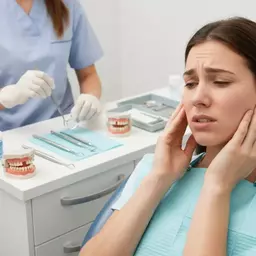
Importance of Immediate Care for Teeth
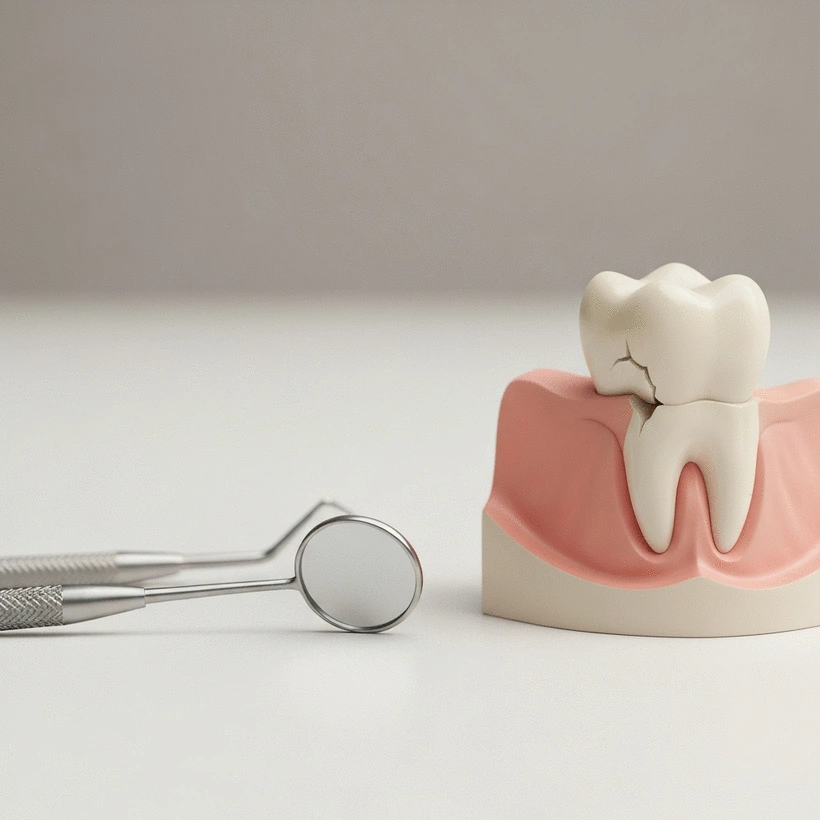
In the world of dental emergencies, timing is everything. A broken tooth may seem like a minor inconvenience, but the reality is that the sooner you seek help, the better your chances for recovery. Here’s a quick look at the essential insights you’ll gain about handling this urgent situation.
What You Will Learn
- Immediate care is crucial; delaying treatment can lead to infections and long-term damage.
- Recognizing symptoms such as severe pain, swelling, or bleeding is key to timely action.
- Effective first aid steps include rinsing the mouth and controlling bleeding to minimize damage.
- Seeking help from an emergency dentist can provide you with faster relief and more treatment options.
Understanding the Urgency of Broken Tooth Care
Understanding the key factors influencing the urgency and outcome of a broken tooth emergency.
Urgency Factors: Impact on Treatment & Outcome
Delaying Treatment Results In:
- Reduced Treatment Options
- Increased Risk of Infection
- Worsening Pain & Damage
- Potential Tooth Loss
Immediate Action Leads To:
- More Treatment Choices
- Infection Prevention
- Effective Pain Management
- Higher Chance of Tooth Preservation
Symptom Recognition & First Aid Steps
Key Symptoms of Urgent Care:
- Severe & Persistent Pain
- Visible Damage (Chipped, Cracked)
- Gum or Facial Swelling
- Any Bleeding from Mouth
Immediate First Aid Actions:
- Rinse Mouth with Warm Water
- Apply Gentle Pressure (for bleeding)
- Cold Compress (for swelling/pain)
- Contact Emergency Dentist ASAP
Understanding the Importance of Immediate Care for a Broken Tooth
When it comes to dental emergencies, understanding the urgency of care for a broken tooth is crucial. Every minute counts, and knowing what to do can make all the difference in your comfort and recovery. As a dental professional, I can’t stress enough how important it is to seek immediate attention when faced with this kind of situation!
Broken teeth can result from various incidents, such as accidents, sports injuries, or even biting down on something hard. Regardless of the cause, the key takeaway is that you shouldn’t wait to get help. In fact, timing can significantly impact the treatment options available to you.
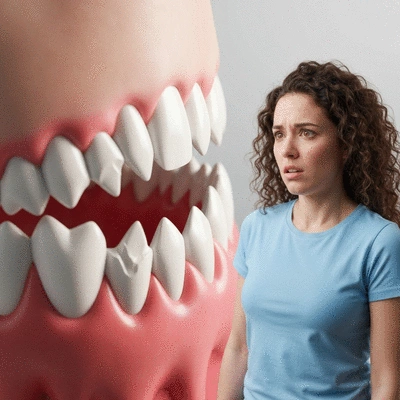
The Urgency of Dental Emergencies: Why Timing Matters
Dental emergencies like a broken tooth require swift action. The longer you wait to seek care, the more complications can arise. Here are a few reasons why timing matters:
- Reduced Treatment Options: Early intervention often means more treatment choices and potentially less invasive procedures.
- Infection Prevention: Timely care can help to prevent infections that may develop in the exposed area.
- Pain Management: Seeking care quickly can help alleviate pain sooner rather than later.
At eDentistNearMe, we connect you with local emergency dentists who are ready to help you 24/7. The sooner you reach out, the sooner you can get the care you need! For additional information on managing dental emergencies, you can refer to resources from the National Center for Biotechnology Information (NCBI), which provides comprehensive guidelines on dental trauma management.
What Happens When You Delay Treatment for a Broken Tooth?
Delaying treatment for a broken tooth can lead to some serious issues. Ignoring the problem may cause the damage to worsen, leading to more complicated treatments down the road. Here are a few potential outcomes to consider:
- Increased Pain: Without treatment, the pain may intensify, making everyday activities unbearable.
- Tooth Loss: A broken tooth left untreated may eventually lead to the loss of the tooth entirely.
- Complicated Procedures: What could have been a simple filling might turn into a root canal or extraction.
Remember, your dental health is interconnected with your overall health. Taking prompt action is essential to protect your smile!
Recognizing Symptoms and Taking Action
The first step in addressing a broken tooth is recognizing the symptoms associated with it. By being aware of what to look for, you can take action more effectively. Staying informed can save you time, stress, and discomfort.
As your reliable resource, we’re here to help you identify the signs of a dental emergency and guide you through the next steps.
Identifying a Dental Emergency: Symptoms to Watch For
So, how do you know if you’re facing a dental emergency? Here are some key symptoms that might indicate you need immediate care:
- Severe Pain: An intense toothache that doesn’t subside.
- Visible Damage: Chipped, cracked, or completely broken tooth.
- Swelling: Any swelling in the gums or surrounding area.
- Bleeding: Any bleeding from the gums or mouth.
Recognizing these signs early can help you prioritize your care and seek treatment without delay.
Common Signs: Pain, Swelling, and Bleeding
Of all the symptoms, pain, swelling, and bleeding are particularly telling. If you experience any of these, don’t wait to contact an emergency dentist. It’s better to be safe and ensure that you protect your dental health!
When Is a Broken Tooth Considered Urgent?
A broken tooth is considered urgent when it shows signs of severe pain, has exposed nerves, or is accompanied by swelling or bleeding. If you’re unsure, it’s always best to consult with a dental professional. At eDentistNearMe, we can help you find an emergency dentist nearby who can evaluate your situation.
Immediate First Aid Steps for a Broken Tooth
In the event of a broken tooth, knowing the right first aid steps can significantly impact the outcome. Here’s what you should do right after it happens:
- Rinse Your Mouth: Use warm water to gently rinse your mouth.
- Control Bleeding: If there’s bleeding, apply gentle pressure with a clean cloth.
- Cold Compress: Apply a cold compress on your cheek to reduce swelling and pain.
- Seek Dental Care: Contact an emergency dentist as soon as possible.
These initial steps can help stabilize the situation until you receive professional care!
What to Do Right After a Tooth Breaks
Acting quickly can minimize further damage and pain. Keep the broken piece of the tooth if possible, as it may be used by your dentist in the treatment process. Remember, your comfort is our priority at eDentistNearMe!
How to Manage Pain and Prevent Further Damage
For pain management, over-the-counter pain relievers can help until you see a dentist. Avoid chewing on the affected side of your mouth to prevent further injury. Taking these precautions can help you stay comfortable and protect your dental health.
First Aid for Teeth: Quick Actions to Take
In addition to the steps mentioned, avoiding hot or cold foods can help reduce discomfort. Make sure to keep your mouth clean and seek professional help as soon as you can. The sooner you act, the better your chances of a successful recovery! For more details on immediate interventions for dental injuries, the NCBI also provides insights into dental emergencies and their initial management.
Pro Tip
Did you know? Keeping a dental emergency kit at home can make a significant difference in how you handle situations like a broken tooth. Include items such as a cold pack, over-the-counter pain relievers, and a clean cloth to control bleeding. Being prepared can help you act swiftly and effectively during a dental emergency!
Frequently Asked Questions (FAQs) About Broken Teeth
Here are some common questions about broken teeth and dental emergencies:
- Q: Why is immediate care so important for a broken tooth?
- A: Immediate care is crucial because delaying treatment can lead to reduced treatment options, increased risk of infection, worsening pain and damage, and even potential tooth loss.
- Q: What are the key symptoms of a dental emergency?
- A: Key symptoms include severe and persistent pain, visible damage (chipped or cracked tooth), gum or facial swelling, and any bleeding from the mouth.
- Q: What should I do immediately after my tooth breaks?
- A: You should rinse your mouth with warm water, apply gentle pressure with a clean cloth if there's bleeding, use a cold compress for swelling/pain, and contact an emergency dentist as soon as possible. Keep the broken piece of the tooth if you can.
- Q: How can I manage pain until I see a dentist?
- A: You can manage pain with over-the-counter pain relievers. Avoid chewing on the affected side of your mouth and avoid hot or cold foods to reduce discomfort.
- Q: When should I go to an emergency room instead of a dentist for a dental issue?
- A: An emergency room is best for severe injuries involving facial trauma, excessive bleeding, or if you're experiencing life-threatening symptoms. For issues directly related to teeth like broken teeth or severe dental pain, an emergency dentist is the ideal choice as they specialize in oral health.
Recap of the Importance of Prompt Action for a Broken Tooth
In the world of dental health, time truly is of the essence! When it comes to a broken tooth, prompt action can make all the difference. Whether you’re dealing with pain, swelling, or even bleeding, these symptoms should never be ignored. Remember, the sooner you seek help, the better your chances are of saving the tooth and preventing further complications.
Here are the key points to keep in mind:
- Immediate care is crucial: Delaying treatment can lead to infections and long-term damage.
- Recognizing symptoms: Stay vigilant for signs like severe pain and noticeable changes in your tooth structure.
- Effective first aid: Knowing what to do right after an injury can minimize damage.
The Key Takeaways on Seeking Urgent Dental Care
When a dental emergency strikes, you want to act fast! Here’s what you should take away regarding urgent care for a broken tooth:
- Assess the situation: Determine if the injury requires immediate attention or if it can wait until regular office hours.
- Don’t hesitate: If it feels urgent, don’t wait! Reach out to your local emergency dentist right away.
- Utilize resources: Platforms like eDentistNearMe can help you find a trusted emergency dentist nearby.
By understanding these key takeaways, you’ll be better prepared to handle a dental emergency when it arises. After all, being proactive about your oral health is essential! Additionally, being aware of broader oral health disparities can help promote better access to care, as highlighted by the CDC's information on health equity in oral health.
Encouraging Timely Action and Professional Consultation
How to Find an Emergency Dentist Near You
Finding an emergency dentist can seem daunting, but it doesn’t have to be! With eDentistNearMe, you can quickly locate reliable dental professionals available 24/7. Simply enter your location, and you’ll get a list of trusted dentists ready to help you. It’s like having a dental lifeline at your fingertips!
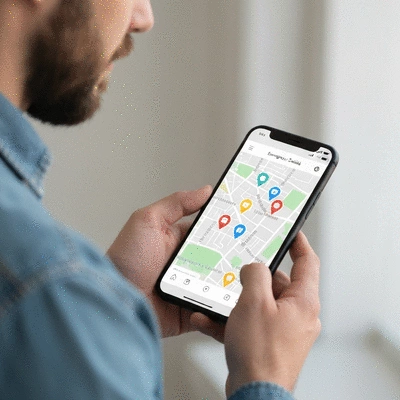
- Search by your location for nearby emergency dentists.
- Check reviews and ratings to find reputable care.
- Look for services like online consultations for added convenience.
Remember, when you’re in pain, waiting can make things worse. Use our resources to connect with a dentist who can provide the care you need right away!
Emergency Room vs. Dentist: Where to Go for Immediate Care
You might wonder whether to head to the emergency room or your dentist during a dental emergency. While both can provide care, they serve different purposes. Here's a quick breakdown:
- Emergency Room: Best for severe injuries involving facial trauma, excessive bleeding, or if you're experiencing life-threatening symptoms.
- Emergency Dentist: Ideal for issues like broken teeth, severe dental pain, or any dental-related concerns that need urgent care.
Your best bet is to consult with a dentist for dental issues, as they specialize in oral health and can provide tailored treatment options.
Final Thoughts: Don’t Delay - Protect Your Dental Health!
In closing, I want to emphasize how critical it is to act swiftly if you experience a broken tooth. Delaying care can lead to serious complications, affecting not only your dental health but your overall well-being. If you ever find yourself in this situation, remember to reach out to eDentistNearMe. We’re here to connect you with professionals who prioritize your comfort and care!
Take charge of your dental health today! Seek treatment promptly, and don’t let a dental emergency catch you off guard.
Recap of Key Points
Here is a quick recap of the important points discussed in the article:
- Immediate care is crucial: Delaying treatment for a broken tooth can lead to infections and long-term damage.
- Recognizing symptoms: Be vigilant for signs like severe pain, visible damage, and swelling.
- Effective first aid: Rinse your mouth, control bleeding, apply a cold compress, and seek dental care promptly.