Manage Toothache Pain at Home

What if a simple understanding of toothache could lead to effective relief? Knowing the causes and when to seek help can empower you to take control of your dental health.
What You Will Learn
- Common Causes: Toothaches can stem from cavities, gum disease, dental trauma, and even sinus infections, making it crucial to identify the source of your pain.
- Symptoms to Watch: Sensitivity to temperature and pain when biting down may indicate a cavity or other dental issues requiring attention.
- Emergency Signs: Seek immediate dental care if you experience severe pain, swelling, fever, or difficulty swallowing or breathing.
- Home Remedies: Effective methods like saltwater rinses, cold compresses, and clove oil can provide temporary relief while awaiting professional care.
Key Causes of Toothaches & Home Remedies
Understanding the common causes of tooth pain and effective home remedies can provide temporary relief while awaiting professional dental care.
When to Seek Emergency Dental Care
Severe pain, swelling, fever, or difficulty swallowing require immediate professional attention.
Common Causes
- Cavities
- Gum Disease
- Dental Trauma
- Sinus Infection
Key Home Remedies
- Saltwater Rinse
- Cold Compress
- Clove Oil
- Garlic/Acupressure
Understanding Toothache: Causes and Immediate Concerns
Toothaches can be incredibly uncomfortable and often leave us searching for answers. Understanding the causes of tooth pain is the first step towards relief! In my experience as a dental professional, I’ve seen a variety of reasons why you might be experiencing discomfort. Common culprits include cavities, gum disease, and dental trauma, as detailed by Cleveland Clinic.
- Cavities: These are holes in your teeth caused by decay, which can lead to painful sensations.
- Gum Disease: Infections in the gums can create discomfort and are often linked with toothaches.
- Dental Trauma: An injury to your mouth or teeth can result in immediate pain and sensitivity.
Each of these issues can manifest differently, so it’s important to pay attention to your symptoms. For example, if you notice sensitivity to hot or cold, or if the pain worsens when biting down, it could indicate a cavity or other dental issue that needs attention.
Identifying Common Causes of Tooth Pain
Identifying the exact cause of your toothache can be challenging since many dental problems can present similar symptoms. Here are a few other common factors to consider:
- Sinus Infection: Believe it or not, sinus pressure can sometimes mimic tooth pain.
- Bruxism: Grinding your teeth, often done unconsciously, can lead to soreness in your jaw and teeth.
- Impacted Wisdom Teeth: If your wisdom teeth are coming in, they can cause significant pain and discomfort.
If you find yourself experiencing any of these symptoms, it’s crucial to connect with a dental professional. Remember, the sooner you address the issue, the better the chance of preventing further complications!
When to Seek Emergency Dental Care
Knowing when to seek emergency care can be confusing. Here are some key signs that indicate you should reach out to a dentist immediately, as advised by Mayo Clinic:
- Severe, persistent pain that doesn’t subside
- Swelling around the affected tooth or in your face
- Fever or chills, which can indicate an infection
- Difficulty swallowing or breathing, which is a medical emergency
These symptoms often indicate that immediate care is necessary. If you’re feeling unsure, don’t hesitate to contact a local emergency dentist. At eDentistNearMe, we’re here to help you find reliable professionals available 24/7 for urgent situations.
Understanding Tooth Decay and Gum Disease
Tooth decay and gum disease are closely related and can significantly contribute to toothaches. When plaque builds up on your teeth, it can lead to cavities—holes that can cause pain. If left untreated, this decay can progress and impact your gums, leading to gum disease. As Healthdirect explains, swelling often accompanies severe toothaches, pointing to potential infection.

Gum disease starts with inflammation and can escalate to infection. It's vital to recognize that both conditions affect your overall oral health. Regular check-ups with a dentist can help catch these issues before they become severe. If you're experiencing symptoms, remember to reach out for help!
We Want to Hear From You!
What do you think about using home remedies for toothache relief? Have you tried any of the remedies mentioned above? Share your thoughts below:
Effective Home Remedies for Toothache Pain Relief
When you’re dealing with a toothache, finding quick relief is essential! Fortunately, there are several effective home remedies that you can try right at home. Each of these methods is designed to help ease your pain while you're waiting for an appointment with a trusted emergency dentist through eDentistNearMe.
Saltwater Rinse: A Simple Solution for Pain Relief
One of the most straightforward remedies is a warm saltwater rinse. This age-old solution can help reduce inflammation and cleanse the affected area. To prepare, mix one teaspoon of salt in a glass of warm water. Swish it around your mouth for about 30 seconds before spitting it out. This rinse can help alleviate discomfort and promote healing!
- Benefits: Reduces swelling and cleanses the mouth.
- Precautions: Avoid swallowing the saltwater.
- Frequency: Use 2-3 times a day for best results.
It’s a simple yet effective solution that anyone can do—just keep in mind that while it can provide temporary relief, it’s not a substitute for professional dental care.
Cold Compress: Numbing Pain and Reducing Swelling
Using a cold compress can work wonders for alleviating tooth pain. Applying an ice pack wrapped in a cloth to the outside of your cheek can help numb the area and reduce any swelling. Aim to keep it on the affected side for about 15-20 minutes at a time, and remember to take breaks in between!
- How to use: Wrap ice in a cloth or use a commercial cold pack.
- When to use: Ideal for acute pain or after dental procedures.
- Impact: Helps with swelling and numbs the pain temporarily.
Keep this method handy, especially if your toothache is accompanied by swelling. It’s a quick and effective way to ease the discomfort until you can see a dentist.
Clove Oil: Harnessing the Power of Eugenol
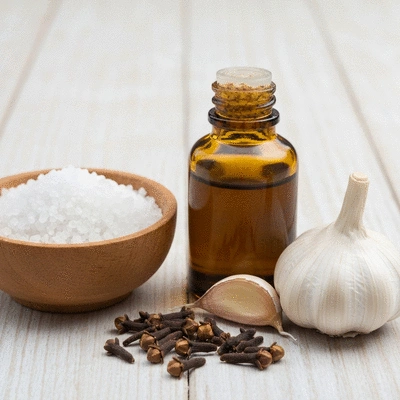
Clove oil is renowned for its natural analgesic properties, thanks to a compound called eugenol. To use it, apply a few drops of clove oil to a cotton ball and gently place it against the painful tooth or gum area. Make sure to avoid swallowing it!
- Effectiveness: Provides numbing relief and reduces inflammation.
- Safety guidelines: Use in moderation; it can irritate the gums if overused.
- Application: Reapply as necessary, but consult your dentist if pain persists.
This remedy can be a lifesaver, especially when you're in a pinch! Just remember that while clove oil can alleviate pain, it’s best to visit your dentist for a long-term solution.
Garlic and Other Natural Remedies: Exploring Options
Garlic is another powerful natural remedy due to its antibacterial properties. Crushing a garlic clove and applying it directly to the affected area can help kill bacteria and reduce pain. Additionally, there are other remedies that you might find helpful:
- Peppermint tea bags: Steep a tea bag and let it cool, then apply it to the sore area.
- Hydrogen peroxide rinse: Dilute hydrogen peroxide in water for a mouth rinse to help fight bacteria.
- Onion: Chewing raw onion can also help reduce pain and kill bacteria.
Each of these remedies has unique benefits, so feel free to experiment with what works best for you! Always keep in mind, though, that these are temporary solutions, and if the pain continues, eDentistNearMe can connect you with a professional for further assistance.
Herbal Remedies: The Benefits of Turmeric and Echinacea
Turmeric and echinacea offer additional options for toothache relief. Turmeric, known for its anti-inflammatory properties, can be made into a paste with water and applied to the affected area. Echinacea can help boost your immune system, which may be beneficial in managing infection-related pain.
- Turmeric: Mix with water to create a paste, apply directly.
- Echinacea: Available as a tea or supplement, consult your healthcare provider before use.
- Benefits: Both may reduce inflammation and support your overall health.
These herbal remedies can complement your pain management approach but should not replace professional dental care. Remember, maintaining good oral health is key!
Acupressure for Tooth Pain Management
Lastly, you might want to explore acupressure techniques, which can aid in tooth pain relief. By applying pressure to specific points on your body, you can help alleviate discomfort. For example, pressing on the webbed area between your thumb and index finger can serve as an effective pain relief technique!
- Identify pressure points: Research acupressure points related to dental pain.
- Technique: Use firm pressure for a few minutes to relieve discomfort.
- When to apply: Ideal during pain flare-ups or before dental visits.
Acupressure can be a valuable addition to your pain management strategy. If you’d like to learn more techniques, don’t hesitate to reach out to your dental professional for personalized advice!
Safety Considerations and Warnings with Home Remedies
While home remedies can provide temporary relief, it’s essential to approach them with caution. Understanding their limitations and knowing when to seek professional care is crucial for your oral health.
Frequently Asked Questions About Toothaches
- Q: What are the most common causes of toothaches?
- A: The most common causes include cavities, gum disease, dental trauma, and even sinus infections. Bruxism (teeth grinding) and impacted wisdom teeth can also cause pain.
- Q: When should I seek emergency dental care for a toothache?
- A: You should seek immediate dental care if you experience severe, persistent pain, swelling around the tooth or face, fever/chills, or difficulty swallowing or breathing.
- Q: Can home remedies cure a toothache?
- A: Home remedies like saltwater rinses, cold compresses, and clove oil can provide temporary relief from toothache pain. However, they are not a substitute for professional dental treatment, as they do not address the underlying cause.
- Q: How does a saltwater rinse help with toothache?
- A: A warm saltwater rinse helps to reduce inflammation, cleanse the affected area, and can alleviate discomfort by drawing out infection. It's a simple, effective temporary solution.
- Q: Are there any herbal remedies that can help with toothache pain?
- A: Yes, turmeric is known for its anti-inflammatory properties and can be applied as a paste. Echinacea may also help boost the immune system, which can be beneficial if the pain is related to an infection.
Recap of Key Points
Here is a quick recap of the important points discussed in the article:
- Common Causes of Toothaches: Cavities, gum disease, and dental trauma are frequent culprits of tooth pain.
- Identify Symptoms: Sensitivity to temperature or pain when biting could indicate a dental issue requiring attention.
- Emergency Signs: Seek immediate dental care for severe pain, swelling, fever, or difficulty breathing.
- Home Remedies: Effective methods like saltwater rinses, cold compresses, and clove oil can provide temporary relief.
- Herbal Remedies: Turmeric and echinacea may help reduce inflammation and support oral health.
- Professional Care: Always consult a dentist for persistent pain and regular check-ups to prevent emergencies.