Senior Emergency Dental Care Basics
When it comes to dental emergencies, seniors face unique challenges that require specific knowledge and quick action. Understanding how to respond effectively can make all the difference in maintaining oral health and ensuring proper care.
What You Will Learn
- Recognize the signs of dental emergencies specific to seniors, including severe toothaches and persistent bleeding.
- Understand immediate actions to take in a dental emergency, such as rinsing with warm salt water and applying cold compresses.
- Learn techniques for managing pain and stopping bleeding until professional help is available.
- Discover best practices for preserving knocked-out teeth to increase chances of reattachment.
- Explore the importance of routine dental check-ups and good oral hygiene to prevent future emergencies.
- Understand dietary choices and lifestyle habits that significantly impact dental health in seniors.
- Navigate the complexities of dental insurance for seniors, focusing on emergency care coverage.
Key Insights into Senior Dental Emergencies and Prevention
Understanding the unique challenges seniors face in dental emergencies and the importance of preventive care can significantly improve outcomes. Below are key areas highlighting common issues, immediate actions, and the impact of routine care.
Recognizing & Responding to Emergencies
- ★Common Issues: Severe toothaches, chipped/broken, knocked-out teeth, infections.
- ★Symptoms: Intense pain, swelling, difficulty chewing, persistent bleeding.
- ★Action: Rinse with salt water, cold compress, seek professional help.
Immediate Emergency Management
- ●Stop Bleeding: Gentle pressure with gauze, elevate head. Seek help if bleeding persists > 15 mins.
- ●Pain Relief: Over-the-counter meds (if no contraindications).
- ●Knocked-Out Tooth: Handle by crown, rinse gently, replant if possible or keep moist (milk/saliva).
Preventive Care & Regular Check-ups
- ✓70% of emergencies prevented with proper care.
- ✓Benefits: Early detection, professional cleanings, customized advice.
- ✓Routine: Brush twice, floss daily, fluoride treatments.
Impact of Diet & Lifestyle
- ⚠Alcohol: Leads to dry mouth, increased cavity risk.
- ⚠Smoking: Linked to gum disease, tooth loss, impaired healing.
- ⚠Sugary Diet: Major cause of decay. Balanced diet is key.
Understanding Emergency Dental Care for Seniors: Key Insights
As we age, our dental health can face unique challenges, especially during emergencies. Understanding emergency dental care for seniors is crucial for ensuring prompt and effective treatment. At eDentistNearMe, we are dedicated to connecting seniors with emergency dental professionals who can provide the urgent care they need.
Catching a dental emergency early can make a significant difference in treatment outcomes. This section will cover what constitutes a dental emergency for seniors, common symptoms to look for, and immediate actions to take before professional help arrives. For more comprehensive information on senior dental care, refer to this senior's guide to dental care from Harvard Health.
Recognizing Dental Emergencies in the Elderly Population
What Constitutes a Dental Emergency for Seniors?
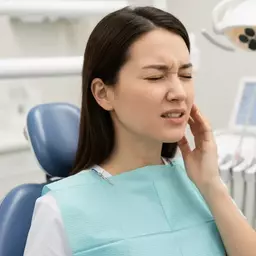
A dental emergency for seniors can manifest in various forms. Some common situations include:
- Severe toothaches that do not subside
- Chipped or broken teeth
- Knocked-out teeth
- Infections or swelling in the mouth
- Gum bleeding that persists
It's essential to act quickly in these situations, as delaying treatment can lead to more serious complications. If you're unsure whether a situation qualifies as a dental emergency, it’s always best to consult a dental professional. For guidance on different types of dental emergencies and how to handle them, the Cleveland Clinic provides a helpful resource on what to do during a dental emergency.
Common Symptoms and Immediate Actions Required
Recognizing symptoms of a dental emergency can help you respond appropriately. Common signs include:
- Intense pain in the teeth or gums
- Swelling around the mouth or face
- Difficulty chewing or opening the mouth
- Persistent bleeding from the gums

If you notice these symptoms, it’s important to take immediate action. Rinse your mouth with warm salt water to soothe irritation and apply a cold compress to reduce swelling. Then, contact a qualified emergency dentist through eDentistNearMe to get the necessary care.
Immediate Emergency Management Techniques
Step-by-Step Guide to Stop Bleeding and Manage Pain
Managing an emergency effectively involves knowing how to stop bleeding and alleviate pain. Here’s a quick step-by-step guide:
- Apply gentle pressure with a clean cloth or gauze to the affected area.
- Keep your head elevated to reduce blood flow to the injury.
- If bleeding persists after 15 minutes, seek professional help.
- For pain relief, consider over-the-counter medications, unless contraindicated by existing health conditions.
Being prepared with these steps can help you stay calm and collected during an emergency. Remember, reaching out to a dentist quickly is vital for adequate care.
Preserving Knocked-Out Teeth: Best Practices
If a tooth has been knocked out, preserving it properly can improve the chances of reattachment. Here are the best practices:
- Handle the tooth by the crown; avoid touching the roots.
- Rinse the tooth gently with water if it’s dirty, but do not scrub it.
- Place the tooth back into its socket if possible, or keep it moist in a glass of milk or your saliva.
Time is crucial when it comes to saving a knocked-out tooth, so seek immediate dental help through eDentistNearMe to increase the likelihood of successful reattachment.
Special Considerations for Seniors in Dental Emergencies
As we navigate emergencies, particularly for the elderly population, there are unique considerations to keep in mind. From cognitive challenges to medication interactions, understanding these factors can aid in providing effective care.
We Want to Hear From You!
Have you or a loved one experienced a dental emergency? What steps did you take to manage the situation? Share your thoughts below:
Preventive Measures and Follow-Up Care for Seniors
Preventive care is crucial for seniors to avoid painful dental emergencies down the road. Regular check-ups and maintaining good oral hygiene habits can significantly reduce the likelihood of serious issues. Did you know that around 70% of dental emergencies can be prevented with proper care? Let's explore how routine care can help!
Importance of Regular Check-Ups and Oral Hygiene
Regular dental visits play an essential role in keeping your mouth healthy. For seniors, routine care can catch potential problems before they escalate. Here are some key benefits of consistent dental check-ups:
- Early Detection: Identifying issues like cavities or gum disease early can save you discomfort and treatment costs.
- Professional Cleanings: These help remove plaque and tartar, which can lead to decay if left untreated.
- Customized Advice: Your dentist can provide personalized tips for maintaining oral health based on your unique needs.

Additionally, following a good oral hygiene routine, including brushing twice a day and flossing daily, is vital. These habits can prevent dental emergencies and keep your smile bright! The National Institute on Aging offers excellent advice on taking care of your teeth and mouth as you age.
How Routine Care Can Prevent Dental Emergencies
Routine care isn't just about avoiding the dentist when something hurts. Here’s how it can prevent emergencies:
- Regular exams help spot issues before they cause pain.
- Professional cleanings prevent gum disease, which can lead to tooth loss.
- Fluoride treatments can strengthen teeth, making them less susceptible to decay.
Each visit is an opportunity to ask questions and discuss any changes you've noticed in your oral health. Open communication with your dentist can empower you to take control of your dental care.
Post-Treatment Care Plans: What Seniors Should Know
After a dental procedure, it's important to follow your dentist's post-treatment care plan. This ensures optimal recovery and helps prevent complications. Here are some common post-treatment tips:
- Follow dietary restrictions if specified—sticking to soft foods can be crucial!
- Maintain prescribed oral hygiene routines to promote healing.
- Take any medications as directed, especially if prescribed for pain management.
Taking these steps can help you recover smoothly and enjoy better oral health overall.
Diet and Lifestyle Impacts on Oral Health
Your lifestyle choices significantly impact your dental health, especially as we age. Understanding how diet affects your teeth and gums can guide smarter choices. Let’s dive into some of these factors!
Effects of Alcohol, Smoking, and Diet on Dental Health
Let’s face it—certain habits can wreak havoc on your oral health. Here are some lifestyle choices to be mindful of:
- Alcohol: Excessive alcohol consumption can lead to dry mouth, increasing the risk of cavities.
- Smoking: This habit is linked to gum disease and tooth loss. It can also affect healing after dental procedures.
- Diet: Consuming sugary foods and drinks can lead to decay. Opting for a balanced diet is key!
By reducing these risks, you can set yourself up for healthier teeth and gums.
Nutrition and Its Role in Maintaining Oral Health for Seniors
A balanced diet is crucial not just for your overall health, but also your dental well-being. Here’s how nutrition plays a role:
- Calcium and Vitamin D: These nutrients are essential for strong teeth and bones.
- Fruits and Vegetables: Crunchy fruits and veggies help clean teeth naturally and promote saliva flow.
- Hydration: Drinking plenty of water combats dry mouth, which is especially important for seniors.
Making simple dietary changes can make a significant difference in your oral health!
Understanding Dental Insurance for Seniors
Navigating dental insurance can feel overwhelming, especially for seniors. Knowing what your plan covers can make a big difference when seeking care. Let’s explore this topic further!
Navigating Medicare Dental Coverage: What to Expect
Medicare can be confusing, but understanding its dental coverage is vital. Here are some key points:
- Medicare typically does not cover routine dental care, but it may cover certain procedures if they are deemed medically necessary.
- Supplemental dental insurance plans can provide additional coverage for regular check-ups and emergencies.
- Always check with your provider to clarify what's included in your plan to avoid surprise costs!
Being informed about your coverage can help you make better health decisions.
Comparing Dental Insurance Options for Emergency Care
When considering dental insurance, it's essential to compare different plans to find the right fit. Here’s what to consider:
- Coverage Scope: Look for plans that cover emergency visits and necessary treatments.
- Annual Maximums: Be aware of how much your plan will pay each year for dental services.
- Network Providers: Ensure your preferred dentists are within the plan’s network for maximum benefits.
Taking the time to explore your options will empower you to make informed decisions for your dental health!
Frequently Asked Questions About Senior Dental Emergencies
- What are common dental emergencies for seniors?
- Common dental emergencies for seniors include severe toothaches, chipped or broken teeth, knocked-out teeth, oral infections or swelling, and persistent gum bleeding.
- What immediate actions should I take during a dental emergency?
- Immediate actions include rinsing your mouth with warm salt water, applying a cold compress to reduce swelling, and contacting an emergency dentist as soon as possible. For bleeding, apply gentle pressure with gauze and keep your head elevated.
- How can I preserve a knocked-out tooth?
- Handle the tooth only by its crown, rinse it gently without scrubbing, and attempt to place it back into its socket. If that's not possible, keep it moist in milk or saliva and seek immediate dental help.
- How important is preventive dental care for seniors?
- Preventive dental care is extremely important, as approximately 70% of dental emergencies can be prevented with regular check-ups, professional cleanings, and good daily oral hygiene habits like brushing twice a day and flossing.
- How do diet and lifestyle affect senior dental health?
- Lifestyle choices like excessive alcohol consumption and smoking can negatively impact oral health, leading to dry mouth, increased cavity risk, and gum disease. A balanced diet rich in calcium, vitamin D, fruits, and vegetables, along with adequate hydration, is crucial for maintaining strong teeth and gums.
- Does Medicare cover dental emergencies for seniors?
- Original Medicare generally does not cover routine dental care or most emergency dental procedures. However, it may cover certain procedures if they are deemed medically necessary. Seniors often need supplemental dental insurance plans to cover regular check-ups and emergency care.
Recap of Key Points
Here is a quick recap of the important points discussed in the article:
- Recognize dental emergencies early, such as severe toothaches, chipped teeth, or persistent gum bleeding.
- Take immediate action for symptoms like intense pain or swelling; rinse with warm salt water and seek dental help.
- Follow a step-by-step guide for managing emergencies, including applying pressure to stop bleeding and seeking professional help if needed.
- Preserve knocked-out teeth by handling them carefully and keeping them moist while contacting a dentist.
- Prioritize preventive care through regular dental check-ups and proper oral hygiene to reduce the risk of emergencies.
- Discuss post-treatment care with your dentist to ensure optimal recovery after procedures.
- Understand the impact of diet and lifestyle on oral health, and make informed choices to maintain dental wellbeing.
- Be aware of dental insurance options and coverage, especially regarding emergency care and routine services.