When Your Dentist Can't Help
As you navigate the world of dental health, understanding how to respond to emergencies is vital. With the right knowledge, you can empower yourself to take swift action and avoid lasting damage to your smile.
What You Will Learn
- Recognize the signs of a dental emergency, such as severe pain, knocked-out teeth, and soft tissue injuries.
- Identify symptoms that require immediate attention, including excessive bleeding and difficulty breathing.
- Utilize effective home remedies for pain management while waiting for professional care, like cold compresses and over-the-counter pain relievers.
- Understand the importance of follow-up care post-emergency, including monitoring for infections and scheduling appointments.
- Learn preventive measures to reduce the risk of future dental emergencies, including regular check-ups and creating a personal emergency plan.
- Stay informed about local dental resources and maintain open communication with your dentist for better ongoing care.
Understanding the Dental Emergency Process
Navigating a dental emergency involves a clear sequence of steps, from initial identification to crucial follow-up care and prevention. This visual outlines the typical journey and key considerations at each stage.
1. Identifying an Emergency
- Severe pain/swelling
- Knocked-out teeth
- Cracked/fractured teeth
- Oral bleeding/infection
2. Immediate Triage & Care
- Cold compress for swelling
- OTC pain relievers
- Saltwater rinses
- Clove oil for natural relief
3. Post-Treatment Follow-Up
- Schedule follow-up appointment
- Monitor for prolonged pain/swelling
- Watch for fever/chills
- Check for persistent bleeding
4. Prevention & Preparedness
- Regular dental check-ups
- Keep emergency contacts handy
- Engage with local dental resources
- Open communication with dentist
Understanding Dental Emergencies and Urgency Levels
Dental emergencies can be quite distressing, and knowing how to identify them is key to getting the urgent care you need. Not every dental issue requires immediate attention, so understanding what truly constitutes a dental emergency can save you time and anxiety. In general, a dental emergency is an event that poses a serious threat to your oral health or well-being and requires prompt action. The World Health Organization emphasizes the importance of oral health as integral to general health and well-being.
Common examples include severe toothaches, knocked-out teeth, or oral bleeding. If you’re ever unsure about the severity of your situation, it’s always best to reach out to a dental professional like those we connect you with at eDentistNearMe. We're here to provide quick access to reliable emergency dental services!
Defining What Constitutes a Dental Emergency
To clarify, a dental emergency includes various conditions that could lead to long-term damage if not handled quickly. Here’s a quick list to help you recognize these emergencies:
- Severe tooth pain or swelling
- Knocked-out teeth
- Cracked or fractured teeth
- Dental abscess or infection
- Soft tissue injuries, such as cuts to the gums or tongue
If you experience any of these issues, don’t hesitate! Contact a dentist immediately for assistance. Remember, acting quickly can often mean the difference between saving a tooth and losing it.
Recognizing Symptoms That Require Immediate Attention
Identifying symptoms early can be your best defense against more serious dental problems. Here are some symptoms that should prompt you to seek immediate care:
- Intense pain that doesn't subside
- Excessive bleeding that doesn’t stop
- Fever or swelling in the face or gums
- Difficulty swallowing or breathing
If any of these symptoms apply to you, it's crucial to act fast. The team at eDentistNearMe is ready 24/7 to help you find the right care for your dental needs. Don’t wait until it’s too late!
Immediate Triage for Dental Pain and Issues
Once you've identified a dental emergency, it's important to manage your pain effectively while waiting for professional help. Knowing some immediate at-home remedies can provide much-needed relief. Let’s explore some simple solutions!
Effective Home Remedies for Pain Management
While waiting to see a dentist, a few effective home remedies can help manage dental pain:
- Applying a cold compress to reduce swelling
- Taking over-the-counter pain relievers like ibuprofen or acetaminophen
- Using saltwater rinses to soothe irritation
These methods can help you cope until you receive professional assistance. However, remember that these are temporary solutions, and it's essential to consult a dentist as soon as possible!
Using Cold Compresses and Over-the-Counter Pain Relievers
A cold compress can be very effective in reducing swelling and numbing pain. Simply wrap some ice cubes in a cloth and apply it to the affected area for 15-20 minutes. Over-the-counter pain relievers, such as ibuprofen, can also help alleviate discomfort. Just be sure to follow the recommended dosage.
Natural Solutions: Clove Oil and Orthodontic Wax
If you're looking for natural remedies, clove oil is a traditional choice known for its analgesic properties. Apply a small amount directly to the affected tooth using a cotton ball. Additionally, if you have braces or orthodontic appliances, using orthodontic wax can help shield any sharp edges that may be causing irritation.
Exploring Toothache Remedies for Quick Relief
Other remedies for toothache include warm saltwater rinses or tea bags. A warm tea bag can help soothe the area, while saltwater can reduce inflammation. If you're unsure about these methods, feel free to reach out to us at eDentistNearMe for advice on managing your symptoms!

Pro Tip
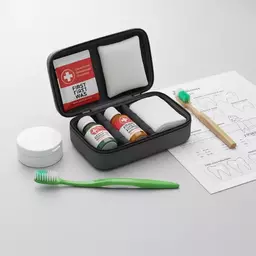
Did you know? Keeping a dental emergency kit at home can save valuable time during a crisis. Include essential items like gauze, a cold compress, pain relievers, and your dentist's contact information. Being prepared can help you manage the situation effectively until you receive professional care!
Frequently Asked Questions About Dental Emergencies
- What constitutes a dental emergency?
- A dental emergency is any condition that poses a serious threat to your oral health or well-being and requires prompt action. This includes severe pain, knocked-out teeth, cracked teeth, dental abscesses, or soft tissue injuries.
- What are the immediate steps to take during a dental emergency?
- Immediate steps include applying a cold compress for swelling, taking over-the-counter pain relievers, rinsing with saltwater, and using natural remedies like clove oil if available, while you arrange to see a dentist.
- When should I seek immediate professional attention for a dental issue?
- You should seek immediate professional attention if you experience intense pain that doesn't subside, excessive bleeding, fever or swelling in the face or gums, or difficulty swallowing or breathing.
- How important is follow-up care after an emergency dental visit?
- Follow-up care is crucial for complete healing and monitoring your recovery. It allows your dentist to assess the effectiveness of the initial treatment and address any lingering issues or potential complications.
- What preventive measures can I take to avoid future dental emergencies?
- Regular dental check-ups (at least twice a year) are key. Additionally, create a personal plan for quick access to care by knowing local emergency dentists and keeping their contact information handy.
Follow-Up Care After an Emergency Visit
After an emergency dental visit, it's important to understand what comes next. You might feel some relief from the initial pain, but follow-up care is crucial for ensuring complete healing. This typically involves scheduling a follow-up appointment with your dentist to monitor your recovery and address any lingering issues. The CDC emphasizes the importance of timely follow-up for maintaining good oral health, especially after acute incidents.
During your follow-up, your dentist will assess how well your treatment is working and if any further action is required. Have you ever wondered what specific signs to watch for during this period? Let's dive into that!
What to Expect After Treatment
After receiving treatment for a dental emergency, expect some common post-treatment effects. Depending on the nature of your emergency, you might experience swelling, bruising, or tenderness in the affected area. These symptoms usually subside over time, but closely monitoring your condition can help catch any complications early.
- Follow your dentist's instructions regarding medication.
- Keep the treated area clean to prevent infection.
- Watch for any unusual changes or pain.
If you notice anything concerning, don't hesitate to reach out to your dentist right away. Your oral health is too important to leave to chance!
Warning Signs of Infections and Complications
While it’s natural to have some discomfort after treatment, certain symptoms may signal a more serious issue. Be vigilant for warning signs indicating infection or complications, and know when to call for help. Here are a few symptoms to look out for:
- Increased swelling or redness around the treatment area.
- Fever or chills that accompany dental pain.
- Persistent bleeding or drainage from the gums.
If you experience any of these symptoms, it’s essential to act quickly. At eDentistNearMe, we prioritize your well-being and can help you connect with dental professionals who can provide care and reassurance.
Taking Preventive Measures for Future Dental Emergencies
Preventive measures are key to avoiding dental emergencies in the future. By being proactive, you can save yourself from stress and discomfort down the line. Regular visits to your dentist are essential—they keep your teeth healthy and identify potential problems before they escalate! According to the National Center for Biotechnology Information, preventative dental care is crucial for overall health and reducing emergency visits.
Have you thought about how you can create a personal plan for quick access to emergency care? It’s easier than you think, and I’m here to help guide you.
Regular Dental Check-Ups: A Key to Prevention
Regular dental check-ups play a vital role in maintaining overall oral health. By visiting your dentist at least twice a year, you can catch issues early and avoid the need for emergency interventions. During these visits, your dentist will conduct a thorough examination and provide cleaning to keep your smile healthy.
- Schedule your check-ups for the same time each year to make it a habit.
- Discuss any concerns you might have during your visit.
- Ask about preventative treatments like sealants or fluoride.
Taking these proactive steps can significantly reduce the likelihood of dental emergencies!

Creating a Personal Plan for Quick Access to Care
Having a personal plan for accessing emergency dental care can save you time and stress. Make sure you know where to find a dentist you trust and keep their contact information handy. Here are a few suggestions to develop your plan:
- Research local emergency dentists and add their numbers to your phone.
- Create a list of dental professionals you trust for different situations.
- Connect with friends or family members who have had positive experiences.
By building these connections and having a plan in place, you can feel more confident knowing you’re prepared for potential emergencies.
Building Dental Referrals and Connections for Emergencies
Don't hesitate to reach out to your friends and family for referrals when looking for emergency dental care. They can provide valuable insights based on their experiences. Additionally, consider joining local community groups or forums where members share recommendations for trusted dental services.
At eDentistNearMe, we’re dedicated to ensuring you always have access to reliable dental professionals, no matter the hour!
Empowering Yourself with Knowledge
Knowledge is power, especially when it comes to managing your dental health. Staying informed about resources available to you can help alleviate anxiety during emergencies. Have you taken the time to explore your options for dental health education?
By empowering yourself with knowledge, you can make informed decisions about your care and understand what to expect during emergencies.
Remaining Informed About Dental Health Resources
Keep yourself updated about local dental resources and services. This could include knowing about community health clinics or organizations that offer support for dental emergencies. Here are a few ways to stay informed:
- Follow local dental clinics on social media for updates.
- Subscribe to newsletters that provide tips for maintaining oral health.
- Attend community health fairs or workshops focused on dental care.
By staying proactive, you can enhance your preparedness in case of a dental emergency.
Encouraging Open Communication with Your Dentist
Having a good relationship with your dentist is essential for effective communication. Don’t hesitate to share any concerns or questions during your visits. A great dentist will appreciate your input and ensure you are comfortable with your treatment plan.
Open communication helps build trust and allows for more personalized care. After all, your dentist is there to support your health journey!
Understanding Community Health Clinics and Their Role
Community health clinics play a vital role in providing accessible dental care, especially for those without insurance. They often offer services at reduced fees and can serve as an excellent resource during emergencies. Familiarize yourself with clinics in your area, and don’t hesitate to reach out for assistance when needed.
At eDentistNearMe, we believe that everyone deserves quality dental care, and we strive to connect you with the best resources available!
Next Steps for Managing Your Dental Health
Taking charge of your dental health is an ongoing process, and knowing when to schedule follow-up appointments is key. After an emergency, it’s important to keep track of your symptoms and follow your dentist's recommendations.
Let’s explore how to effectively manage your dental health and ensure you're always prepared.
When to Schedule Your Follow-Up Appointment
It’s essential to schedule your follow-up appointment promptly after an emergency visit. Generally, you should aim to return to your dentist within a week, or sooner if symptoms persist. This follow-up allows your dentist to monitor your healing process and make necessary adjustments to your treatment plan.
Remember, following up is not just beneficial—it’s a crucial step in ensuring your long-term oral health!
Resources for Ongoing Dental Care Support
Finding resources for ongoing dental care support can help you maintain a healthy smile. Whether it’s through community programs or online resources, accessibility is key. Here’s how you can stay supported:
- Consider joining local dental societies for networking opportunities.
- Utilize online platforms for dental health education.
- Reach out to local health departments for resources and referrals.
By leveraging these resources, you can ensure that you have the support you need for maintaining your dental health.
Engaging with Local Dental Societies for Support
Local dental societies can be a great support network. They often provide resources, educational materials, and information about upcoming events or workshops. Engaging with these groups can enhance your knowledge about dental health and connect you with professionals who are passionate about patient care.
At eDentistNearMe, we’re committed to helping you navigate your dental journey, ensuring you always have access to reliable care and information!
Recap of Key Points
Here is a quick recap of the important points discussed in the article:
- A dental emergency poses a serious threat to your oral health and requires immediate attention.
- Common dental emergencies include severe toothaches, knocked-out teeth, and oral bleeding.
- Symptoms that require immediate care include intense pain, excessive bleeding, fever, and difficulty breathing.
- Effective home remedies for managing pain include cold compresses, over-the-counter pain relievers, and saltwater rinses.
- Follow-up care after an emergency visit is crucial for complete healing and monitoring recovery.
- Regular dental check-ups can significantly reduce the chances of experiencing dental emergencies.
- Having a personal plan for quick access to emergency dental care can save time and reduce stress.