Dental Crown Procedure: What to Expect
What if you could transform your dental health understanding with just a few insights? Learning about dental crowns can empower you to make informed decisions about your treatment options and enhance your smile's longevity!
What You Will Learn
- Dental crowns are protective caps that restore the strength, shape, and appearance of damaged teeth.
- Signs you may need a crown include severe decay, previous root canal, cracked teeth, or wear from grinding.
- There are three main types of crowns: porcelain, gold, and ceramic, each with unique benefits and costs.
- Understanding costs and insurance coverage for dental crowns is crucial for financial preparedness.
- Potential risks of dental crowns include tooth sensitivity, loosening of the crown, and rare allergic reactions.
- Real patient experiences can provide insights into the impact of dental crowns on confidence and comfort.
Dental Crown Procedure: Key Considerations
Understanding the dental crown process involves several factors, from cost to potential risks, and the benefits patients experience. Below is a visual summary of these crucial aspects.
Cost & Insurance Coverage
- Porcelain: High aesthetic, higher price.
- Gold: Durable, often most expensive.
- Ceramic: Good balance of cost and appearance.
Check with your insurance provider for coverage specifics.
Potential Risks & Complications
- Tooth Sensitivity (post-procedure).
- Crown Loosening (over time).
- Allergic Reactions (rare).
Patient Experiences & Benefits
- Improved Confidence.
- Immediate Pain Relief.
- Durability & Longevity.
Understanding the Dental Crown Procedure: What You Need to Know
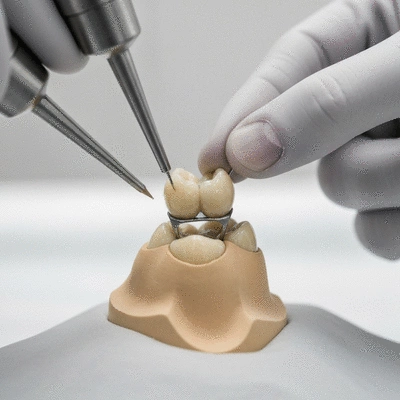
When it comes to dental care, knowing about dental crowns can greatly assist in understanding potential treatments. Dental crowns are protective caps placed over damaged teeth, restoring their function and appearance. They are essential for maintaining oral health and preventing further damage to your teeth.
At eDentistNearMe, we believe in empowering you with information. So let’s delve into what you really need to know about dental crowns, from their purpose to various types!
Defining the Dental Crown: Purpose and Benefits
A dental crown serves multiple purposes. Primarily, they help restore the strength, shape, and appearance of a tooth that has suffered damage. Crowns are not just about aesthetics; they play a crucial role in:
- Protecting weak or decayed teeth
- Holding a dental bridge in place
- Covering misshaped or severely discolored teeth
- Providing a solution for cracked or worn-down teeth
By using crowns, we can enhance both the functionality and look of your teeth! This means less hassle with chewing and a boost in confidence when you smile. For more detailed information on dental crowns and their applications, you can consult resources like the Cleveland Clinic's comprehensive guide on dental crowns.
Identifying the Need for a Dental Crown
So, how do you know if you need a dental crown? There are several signs that indicate it might be time to consider one:
- Severe tooth decay that can’t be fixed with a filling
- A tooth that has undergone a root canal treatment
- Cracked or fractured teeth that put the tooth at risk
- Worn-down teeth due to grinding or acid erosion
If you've experienced any of these issues, it’s essential to consult with a dental professional. At eDentistNearMe, we are here to connect you with trusted dentists who can assess your situation and recommend appropriate treatment! The American Dental Association's MouthHealthy.org also offers valuable insights into when a crown might be necessary.
Exploring Different Types of Dental Crowns: Porcelain, Gold, and Ceramic
Not all dental crowns are created equal! Depending on your specific needs and preferences, there are three main types of crowns you might encounter:
- Porcelain Crowns: These are popular due to their natural appearance and ability to blend seamlessly with your existing teeth.
- Gold Crowns: Known for their durability, gold crowns are ideal for back teeth where biting pressure is significant.
- Ceramic Crowns: These crowns offer both strength and aesthetic appeal, making them suitable for both front and back teeth.
Choosing the right type of crown is an important decision, and it often depends on your specific dental condition and personal preferences. It’s always best to have a conversation with your dentist to find out what would work best for you! For a deeper dive into the characteristics of different crown materials, you can refer to information provided by Delta Dental on dental crowns.
We Want to Hear From You!
What factors are most important to you when considering a dental crown? Share your thoughts below:
Wrapping Up Your Dental Crown Experience: Final Thoughts
As you conclude your journey through the dental crown process, it's essential to consider various factors that can impact your overall experience. Understanding the costs associated with dental crowns and knowing what to expect regarding insurance coverage can make a significant difference in your peace of mind. At eDentistNearMe, we’re here to help you navigate these aspects while keeping your dental health a priority!
Cost Considerations: What to Expect and Insurance Coverage
The cost of dental crowns can vary widely based on several factors, including the material chosen and your specific dental needs. Typically, you might encounter the following costs:
- Porcelain crowns: These are often the most aesthetically pleasing but can come at a higher price.
- Gold crowns: Known for their durability, gold crowns are usually more expensive than porcelain.
- Ceramic crowns: These offer a good balance between cost and appearance.

It's important to check with your insurance provider about coverage options. Some plans may cover a portion of the costs associated with dental crowns, while others may not. I recommend contacting your insurance company before your procedure to clarify your benefits. This way, you’ll be prepared!
Addressing Potential Risks and Complications
As with any dental procedure, there are some risks and complications associated with dental crowns. It's crucial to stay informed and discuss these with your dentist. Here are a few potential issues to be aware of:
- Tooth Sensitivity: After the crown placement, you may experience some sensitivity, especially to hot or cold temperatures.
- Crown Loosening: Over time, crowns can become loose, potentially leading to decay underneath if not monitored.
- Allergic Reactions: Though rare, some patients may have allergic reactions to materials used in crowns.
Being aware of these risks can help you keep an eye out for any unusual sensations or problems. If you notice anything concerning, don’t hesitate to reach out to your dentist for advice!
Engaging with Others: Real Patient Experiences and FAQs
Reading about other patients' journeys can be both enlightening and reassuring as you consider your own dental crown experience. At eDentistNearMe, we believe that sharing stories helps build a sense of community and support!
Reading Testimonials: What Others Say About Their Dental Crown Journey
Many patients have shared their experiences with dental crowns, emphasizing how the procedure positively impacted their lives. Here are a few notable takeaways:
- Improved Confidence: Patients often report feeling more confident in their smiles after receiving crowns.
- Immediate Relief: Many individuals appreciate the quick relief from pain that crowns can provide.
- Durability and Longevity: Numerous testimonials highlight the lasting benefits of dental crowns, making them a worthwhile investment.
These insights can offer a sense of comfort and understanding as you contemplate your own crown procedure!
Frequently Asked Questions About Dental Crowns
Let's address some common questions that arise regarding dental crowns:
What is a dental crown?
A dental crown is a cap placed over a damaged tooth to restore its shape, size, strength, and appearance. It covers the entire visible portion of your tooth above the gum line.
When might I need a dental crown?
You might need a dental crown if you have severe tooth decay that a filling can't fix, a cracked or fractured tooth, a tooth that has undergone a root canal, or significantly worn-down teeth.
What are the different types of dental crowns?
The main types include porcelain crowns (for natural appearance), gold crowns (known for durability, especially for back teeth), and ceramic crowns (offering a balance of strength and aesthetics).
How much does a dental crown cost, and is it covered by insurance?
The cost typically ranges from $800 to $3,000, depending on the material and your specific dental needs. Insurance coverage varies, so it's best to contact your provider directly to understand your benefits.
Are there any risks associated with dental crowns?
Potential risks include tooth sensitivity (especially initially), the crown becoming loose over time, or, rarely, allergic reactions to the crown materials. Discuss any concerns with your dentist.
Does getting a dental crown hurt?
Most patients experience minimal discomfort during the procedure due to local anesthesia. Some sensitivity may occur after the procedure, but it usually subsides quickly. Many patients find the process less daunting than anticipated.
Does It Hurt? Insights from Real Patients
Most patients find that the discomfort during the procedure is minimal, especially with effective local anesthesia. Afterward, some may experience sensitivity, but it typically subsides within a few days. Many patients have shared positive experiences, emphasizing that the process was less daunting than they expected!
How Much Does a Dental Crown Cost? Understanding Your Options
The cost of dental crowns can range from $800 to $3,000 depending on the material used and your dental insurance coverage. As mentioned earlier, it’s wise to check with your provider for specifics to help you prepare financially.
Patient Reviews: Experiences with Different Crown Materials
Patients frequently voice their preferences regarding crown materials. For example, some prefer the aesthetic appeal of porcelain, while others swear by the durability of gold. It’s all about finding the right fit for your needs and lifestyle!
Take the Next Step for Your Dental Health
Now that you’re equipped with essential information about dental crowns, it’s time to take action. Consulting your dentist is the first step towards a healthier smile! Remember, at eDentistNearMe, we’re here to support you in finding trusted local emergency dentists ready to assist you, whether it’s for a crown procedure or any other dental need.
Consult Your Dentist: Preparing for Your Crown Procedure
When you meet with your dentist, come prepared with questions about the procedure, the materials, and what to expect during recovery. Understanding the process can ease your anxiety and set you up for success!
Get Informed: Resources and Support for Patients
Finally, consider exploring resources about dental crowns and oral health. There are many online platforms and communities where you can gather information, share experiences, and connect with others on similar journeys. Together, we can promote better oral health!
Recap of Key Points
Here is a quick recap of the important points discussed in the article:
- Dental crowns are protective caps that restore the function and appearance of damaged teeth.
- Common signs you may need a dental crown include severe decay, root canal treatment, and cracked teeth.
- There are three main types of crowns: porcelain, gold, and ceramic, each with distinct benefits.
- Understanding the costs and insurance coverage for dental crowns is crucial for financial preparedness.
- Be aware of potential risks, such as tooth sensitivity and crown loosening, and consult your dentist if concerns arise.