Emergency Dentist vs. OTC Relief
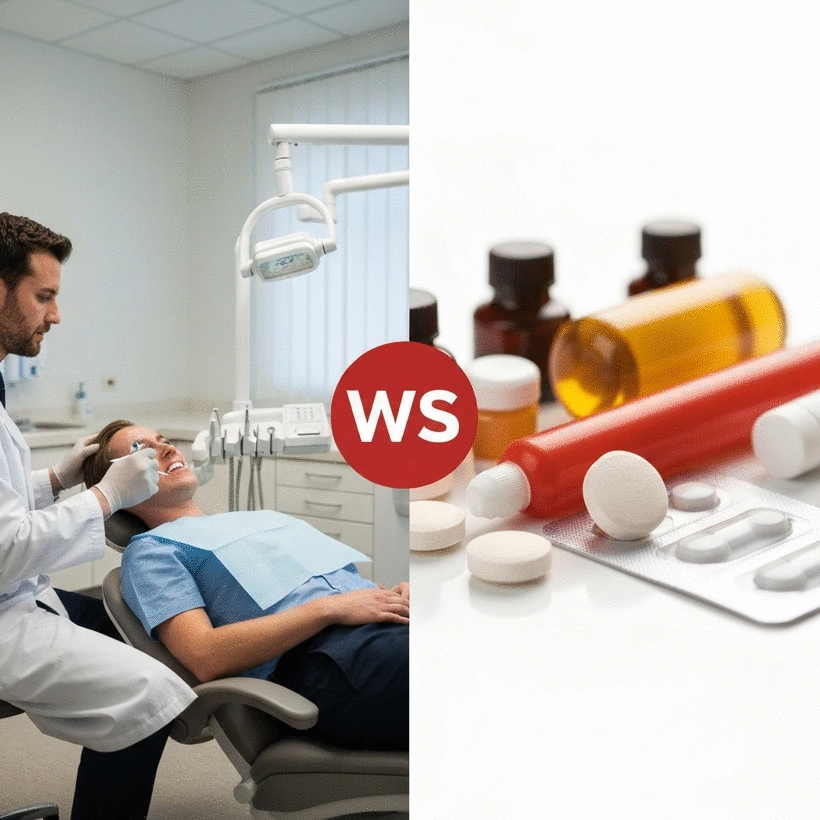
When it comes to dental pain, knowledge is your best ally. Understanding the causes, symptoms, and relief options can empower you to make informed decisions about your dental health. Let’s explore what you can learn to tackle dental pain effectively!
What You Will Learn
- Identify Common Causes: Understand that dental pain can stem from issues like cavities, gum disease, or injuries.
- Recognize Symptoms: Learn to identify symptoms such as throbbing pain, sensitivity to temperature, and gum swelling that warrant professional consultation.
- Explore Pain Relief Options: Discover effective pain management strategies including over-the-counter medications, prescription options, and home remedies.
- Know When to Seek Help: Empower yourself by knowing when pain indicates an emergency, ensuring timely care and relief.
Understanding Dental Pain Relief Options
Understanding the common causes and symptoms of dental pain, as well as the available relief options, empowers you to make informed decisions about your oral health.
Common Causes of Dental Pain
- Cavities
- Gum Disease
- Dental Abscess
- Injury
Key Symptoms to Recognize
- Throbbing/sharp pain
- Continuous pain
- Hot/cold sensitivity
- Swelling/red gums
Pain Relief Options
- OTC Pain Relievers
- Prescription Meds
- Home Remedies
When to Seek Help
- Pain > 1 day
- Intense pain
- Fever, swelling, bleeding
- Emergency signs
Understanding Dental Pain and Relief Options
Dental pain can be one of the most distressing experiences you might face. Understanding what causes this pain and how to find relief is crucial. In this section, we'll explore the nature of dental pain, its common symptoms, and various relief options available to you.
Whether it's a sudden toothache or ongoing discomfort, knowing how to tackle the issue can make all the difference. Let's dive into the causes and symptoms of dental pain so you can be better prepared!
The Nature of Dental Pain: Causes and Symptoms
Dental pain often arises from various issues such as cavities, gum disease, or even injury to the teeth. It's important to recognize these underlying causes to effectively manage your pain. Here are some common causes of dental pain:
- Cavities: The most prevalent cause, resulting from unchecked plaque buildup.
- Gum Disease: Inflammation and infection can lead to severe discomfort.
- Dental Abscess: A localized infection that can cause throbbing pain.
- Injury: Physical trauma to the teeth can result in acute pain.
Understanding these causes helps in identifying the right course of action. Be aware that ignoring persistent pain might lead to more serious issues down the road! For further reading on dental abscesses, you can refer to insights from a study published by the National Center for Biotechnology Information (NCBI), which offers detailed information on diagnosis and management.
Common Symptoms of Tooth Pain and Their Implications
It's essential to recognize the symptoms associated with dental pain. These symptoms can indicate various underlying conditions:
- Throbbing or sharp pain when biting or chewing
- Continuous pain that worsens over time
- Sensitivity to hot or cold temperatures
- Swelling or redness in the gums
If you're experiencing any of these symptoms, don't hesitate to consult a dental professional. Early intervention can prevent more serious complications and help you regain your comfort!
How Pain Relief Options Are Classified
When it comes to managing dental pain, multiple options are available. These can be broadly categorized into over-the-counter (OTC) medications, prescription medications, and home remedies. Each option has its place in pain management, depending on the severity and nature of the pain.
It's always wise to consult a professional, like the team at eDentistNearMe, when considering your pain relief options. We're here to connect you with trusted dentists for prompt and effective care!
Understanding Pain Management Strategies for Dental Pain
Here are some effective pain management strategies you might consider:
- OTC Pain Relievers: Ibuprofen and acetaminophen can provide relief for mild to moderate pain.
- Prescription Medications: For severe pain, your dentist may prescribe stronger pain relief.
- Home Remedies: Natural solutions like clove oil can offer temporary relief.
Each of these strategies has its benefits and can help you find the much-needed relief. Just remember, if the pain persists, seeking professional advice is always the best course of action!
Pro Tip
Did you know? Incorporating a warm saltwater rinse can significantly help reduce inflammation and soothe dental pain. Simply mix a teaspoon of salt in a glass of warm water and swish it around in your mouth for 30 seconds. This simple remedy not only helps alleviate discomfort but also promotes healing by keeping your gums clean!
Summarizing Pain Relief Choices: Making Informed Decisions
When it comes to managing dental pain, understanding your options is key! Whether you’re considering over-the-counter (OTC) medications or the need for emergency dental care, being informed can help you make quick and effective decisions. Let’s break down what you need to know!
Key Takeaways on OTC and Emergency Dental Care
- Know Your Pain Relief Options: OTC medications like ibuprofen and acetaminophen are great first steps for mild to moderate dental pain.
- Recognize Emergency Signs: Severe pain, bleeding, or swelling could indicate the need for emergency dental care—don’t hesitate to call for help!
- Consult a Professional: Always consider reaching out to an emergency dentist if symptoms persist or worsen.
By familiarizing yourself with these key points, you can navigate dental emergencies with greater confidence! I always encourage my patients to keep a list of trusted emergency dentists handy, like those you can find through eDentistNearMe, so help is never far away. For insights on managing dental pain and recognizing when professional help is needed, resources such as Northcourt Family Dentistry's guide or Shining Smiles Family Dentistry's advice on home remedies vs. professional care can be very helpful.
Empowering Yourself: Knowing When to Seek Help
It’s essential to empower yourself with knowledge about your dental health. Being aware of the difference between manageable pain and conditions requiring urgent attention can save you from unnecessary distress. Think about these factors:
- Duration of Pain: If tooth pain lasts more than a day, it’s time to seek professional help.
- Intensity of Symptoms: Intense pain that disrupts daily activities should not be ignored.
- Accompanying Symptoms: Fever, swelling, or bleeding are indicators of a potential dental emergency.
Remember, at eDentistNearMe, we’re dedicated to connecting you with reliable emergency dentists who prioritize your comfort and health. Never hesitate to reach out for the care you deserve!
Frequently Asked Questions About Dental Pain and Relief
- Q: What are the most common causes of dental pain?
- A: Dental pain commonly stems from issues like cavities, gum disease, dental abscesses, and physical injuries to the teeth.
- Q: What symptoms indicate I should see a dentist immediately?
- A: You should seek immediate professional help if you experience throbbing or sharp pain, continuous pain, extreme sensitivity to hot/cold, swelling or redness in the gums, or if the pain lasts more than a day. Fever, significant swelling, or bleeding are also urgent indicators.
- Q: What are some initial pain relief options I can try at home?
- A: For mild to moderate pain, you can try over-the-counter pain relievers like ibuprofen or acetaminophen. Home remedies such as warm saltwater rinses or applying clove oil can also offer temporary relief. However, these are not substitutes for professional dental care.
- Q: How do I know if my dental pain is an emergency?
- A: Dental pain is considered an emergency if it is severe and constant, accompanied by fever, facial swelling, difficulty breathing or swallowing, or if it results from a traumatic injury. In such cases, contact an emergency dentist right away.
- Q: Can I use home remedies instead of seeing a dentist?
- A: Home remedies can offer temporary relief, but they do not address the underlying cause of dental pain. It's crucial to consult a dental professional to diagnose and treat the root cause to prevent more serious complications.
Get the Support You Need for Dental Pain
Dental pain can be overwhelming, but you don’t have to face it alone! Seeking support from dental professionals can help alleviate discomfort and address underlying issues effectively.
Contact an Emergency Dentist: Fast Relief Awaits
If you’re experiencing severe tooth pain, don’t wait! You can quickly find an emergency dentist near you through eDentistNearMe. We provide access to trusted professionals ready to assist you 24/7. Just enter your location, and you’ll have the relief you need at your fingertips!
Further Resources for Managing Dental Pain
In addition to reaching out to an emergency dentist, there are many resources available to help you manage dental pain effectively. Here are some valuable options:
- Patient Education: Explore articles and videos on dental health to understand your condition better.
- Available Dental Solutions: Research treatment options based on your symptoms to feel more prepared for your visit.
At eDentistNearMe, we are committed to supporting you with the information you need for better oral health. You deserve to feel empowered and cared for, especially during dental emergencies!
Recap of Key Points
Here is a quick recap of the important points discussed in the article:
- Understand Dental Pain: Recognize common causes such as cavities, gum disease, and dental abscesses.
- Identify Symptoms: Be aware of symptoms like throbbing pain, sensitivity, and swelling that may require professional consultation.
- Explore Pain Relief Options: Utilize OTC medications like ibuprofen, consider prescription options for severe pain, and explore home remedies.
- Know When to Seek Help: Consult a dentist if pain lasts more than a day, or if intense symptoms disrupt daily activities.
- Emergency Care Awareness: Recognize signs that may require immediate dental attention to prevent further complications.