Tips for Your Same-Day Dental Visit
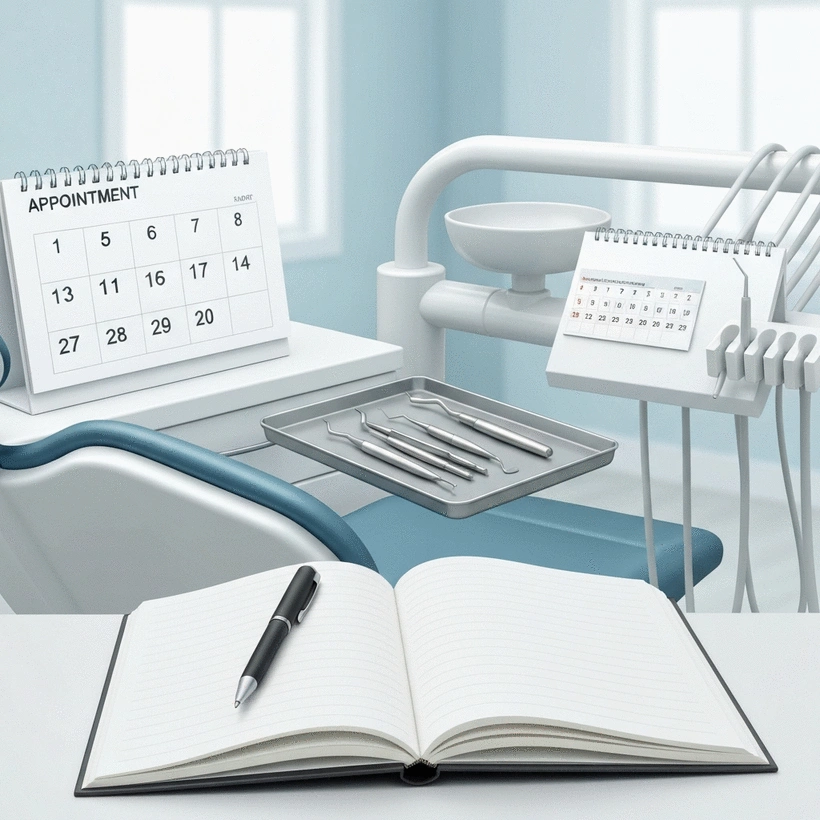
When dental emergencies strike, being prepared can make all the difference. Understanding how to respond quickly and effectively is key to maintaining your dental health. Here’s what you’ll learn about navigating same-day dental appointments.
What You Will Learn
- Recognize the types of dental emergencies and the importance of immediate care.
- Gather essential documents like ID, insurance, and medical history for your appointment.
- Effectively communicate your symptoms to dental staff for prompt treatment.
- Understand your dental insurance coverage to avoid unexpected costs during emergencies.
- Learn first aid tips, including how to manage pain and preserve a knocked-out tooth.
- Build an emergency dental kit to handle minor issues at home.
- Utilize dental apps for convenient appointment management and health tracking.
Preparing for Your Same-Day Dental Appointment
This visual outlines key preparation steps and first-aid tips for a successful and less stressful same-day dental visit.
Preparation Steps
- ✓ Gather Documents (ID, Insurance)
- ✓ Communicate Symptoms Effectively
- ✓ Understand Insurance Coverage
First Aid & Immediate Care
- ⚠ Preserve Knocked-Out Tooth
- ⚠ Manage Swelling & Pain
- ⚠ Utilize Emergency Services
Proactive Dental Health
- ✅ Schedule Regular Cleanings
- ✅ Practice Good Oral Hygiene
- ✅ Stay Informed About Health
Tech-Enhanced Management
- 📱 Convenient Scheduling
- 📱 Appointment Reminders
- 📱 Health Tracking Features
Essential Steps for Preparing for a Same-Day Dental Appointment
When faced with a dental emergency, it’s crucial to act quickly! Time is of the essence, and addressing these issues as soon as possible can significantly impact your recovery. Local clinics, especially those available 24/7, play a vital role in providing same-day care to ease your discomfort and prevent further complications.
Understanding the urgency of your situation allows you to take the right steps toward finding the help you need. At eDentistNearMe, we’re dedicated to connecting you with trusted professionals who prioritize your health and comfort during these trying times.

Understanding the Importance of Immediate Action
Dental emergencies can happen unexpectedly, and knowing how to respond is essential. By seeking immediate care, you not only relieve pain but also reduce the risk of serious complications. Whether it’s a severe toothache, a broken tooth, or a lost filling, the sooner you get help, the better your chances of preserving your dental health.
- Identify the type of dental emergency you're facing.
- Reach out to a clinic that offers same-day appointments.
- Prepare all necessary information before your visit.
These steps can help streamline your experience and ensure you receive the care you need without unnecessary delays.
Key Information to Gather Before Your Appointment
Preparation is key when it comes to a same-day dental appointment. Having the right documents and information ready will help the clinic staff assist you more effectively. Here’s what you should gather:
Identifying Necessary Documents
Before you head to the clinic, make sure you have the following:
- Your photo ID, such as a driver's license or passport.
- Insurance information, if you have coverage.
- Your medical history, especially any ongoing health conditions.
Having these documents at hand not only speeds up the check-in process but also ensures that you receive appropriate care tailored to your needs. More information on what to expect at the dentist can be found on MouthHealthy.org.
Communicating Your Symptoms Effectively
When you arrive at the clinic, being able to describe your symptoms clearly can make a big difference. Here are some tips to help you communicate your dental issues:
- Use specific terms to describe your pain, such as sharp, throbbing, or dull.
- Indicate how long you’ve been experiencing the symptoms.
- Mention any medications you’re currently taking.
Effective communication can aid the dental staff in assessing your situation promptly and accurately.
Understanding Your Dental Insurance and Coverage
Before your appointment, it’s helpful to verify your insurance details. Here’s how to approach this:
- Contact your insurance provider to confirm coverage for emergency dental services.
- Ask what costs you can expect for a same-day appointment.
- Inquire about any necessary co-pays or deductibles.
By understanding your coverage, you can avoid unexpected expenses and focus on getting the care you need without stress. The American Dental Association (ADA) provides valuable resources on dental insurance and policy changes that might affect your coverage.
First Aid and Immediate Care for Dental Emergencies
First Aid Tips to Manage Dental Emergencies
While waiting for your dental appointment, knowing how to manage your symptoms can be incredibly helpful. Here are some first aid tips to keep in mind:
Preserving a Knocked-Out Tooth
If you experience a knocked-out tooth, it’s essential to handle it correctly:
- Rinse the tooth gently with water, but do not scrub it.
- Keep the tooth moist by placing it in milk or saline.
- Seek dental care as soon as possible—ideally within an hour!
Taking these steps can help increase the chances of saving your tooth.
Managing Swelling and Pain
Swelling and pain are common in dental emergencies. Here’s how to manage them effectively:
- Apply a cold compress to the outside of your cheek to reduce swelling.
- Avoid taking aspirin or any anti-inflammatory medications that could complicate bleeding.
- Use over-the-counter pain relievers if needed, following the recommended dosage.
These measures can provide temporary relief while you await your appointment.
Utilizing Emergency Dentistry Services
Emergency dentistry services are specifically designed to address urgent dental issues. Knowing when to seek these services can be beneficial:
- When in severe pain that cannot be managed.
- When experiencing significant bleeding.
- For any trauma to the mouth or teeth.
Recognizing these signs will help you take appropriate action and ensure your dental health is maintained. The ADA offers guidance on emergency dental treatment for various scenarios.
Building Your Emergency Dental Kit
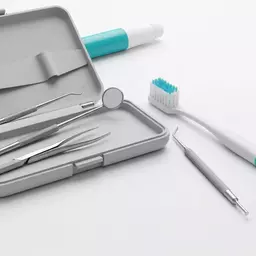
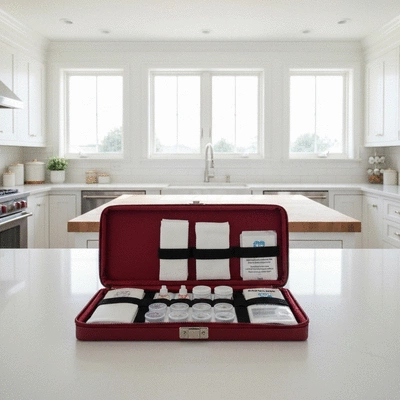
Preparing an emergency dental kit can save you time and stress in the future. Here are some essential items to include:
Necessary Supplies for Your Kit
Consider including the following items in your kit:
- Gauze to manage bleeding.
- Temporary filling material for urgent repairs.
- Pain relievers and antiseptic mouthwash.
Having these supplies on hand can help you manage minor emergencies at home.
Comfort Items to Bring for Patients
Especially for children, comfort can be essential during a dental visit. Consider packing:
- A comfort blanket or stuffed toy.
- Entertainment options like a favorite book or tablet.
- Snacks, if allowed, to keep spirits up.
These items can help make the experience less daunting, ensuring a smoother visit for everyone involved.
We Want to Hear From You!
Have you ever experienced a dental emergency? How did you handle it? Share your thoughts below:
Frequently Asked Questions About Same-Day Dental Appointments
What constitutes a dental emergency?
A dental emergency includes severe toothaches, broken or chipped teeth, knocked-out teeth, lost fillings or crowns, abscesses, or any trauma to the mouth that causes pain or bleeding. Immediate care is crucial for these situations.
What documents should I bring to a same-day dental appointment?
You should bring your photo ID (such as a driver's license or passport), your dental insurance information (if applicable), and any relevant medical history, especially ongoing health conditions or medications you are taking.
How can I effectively communicate my symptoms to the dental staff?
Be specific about your pain (e.g., sharp, throbbing, dull), indicate how long you've been experiencing symptoms, and mention any current medications. This helps the dental team assess your situation quickly and accurately.
What should I do if a tooth gets knocked out?
Gently rinse the tooth with water without scrubbing it. Keep it moist by placing it in milk or saline, or even back into its socket if possible. Seek dental care immediately, ideally within an hour, to increase the chances of saving the tooth.
How can dental apps help with appointment management?
Dental apps offer convenient scheduling options, send appointment reminders, and can include features for tracking your oral health progress. They help simplify managing your dental care and ensure you don't miss important appointments.
Summarizing Your Path to a Successful Same-Day Dental Visit
As we've discussed, preparing for a same-day dental appointment can significantly impact your experience and outcomes. By understanding the urgency of your situation and gathering the right information, you're setting yourself up for success. Remember, each step we talked about is designed to ease your anxiety and ensure you receive the care you need. Here’s a quick recap of the key preparation steps:
- Gather necessary documents such as ID and insurance information.
- Communicate your symptoms effectively to the clinic staff.
- Understand your dental insurance coverage for same-day visits.
Taking these steps will not only help your dental team provide better care but also help you feel more in control during a stressful time.
Encouraging Preventative Care for Future Dental Health
While knowing what to do in a dental emergency is important, we can’t forget about prevention! Regular dental check-ups are crucial in maintaining your oral health and can help you avoid those urgent visits altogether. I always encourage my patients to schedule appointments at least twice a year to catch any issues early. This proactive approach can save you a lot of pain—and money—in the long run!
- Schedule regular cleanings to keep your teeth healthy.
- Practice good oral hygiene at home, including brushing and flossing daily.
- Stay informed about your dental health and ask questions during visits.
Remember, taking care of your teeth today can save you from unexpected emergencies tomorrow!
Leveraging Dental Apps for Appointment Management
In this digital age, why not make use of technology to simplify your dental care? Dental apps can be a game changer for managing your dental appointments. These tools allow you to easily schedule appointments, set reminders, and even track your oral health progress over time. Here’s why I recommend using dental apps:
- Convenient scheduling helps you find available times that fit your busy life.
- Reminders ensure you never miss an appointment.
- Health tracking features can help you monitor your dental habits and improvements.
With an app at your fingertips, managing your dental health has never been easier!
Take Action for Your Dental Health Today
Contact Your Local Clinic for Immediate Assistance
If you find yourself in a dental emergency, don’t wait! Reach out to your local clinic, like eDentistNearMe, for immediate assistance. Our platform connects you with trusted emergency dentists who are ready to help you 24/7. Remember, it's better to get checked out sooner rather than later!
Stay Prepared for Future Dental Emergencies
Finally, I encourage you to create and maintain a dental emergency kit. Gather essential items and review your preparation steps regularly. This way, when a crisis strikes, you’ll be ready to handle it with confidence! Your dental health is important, and being prepared is a key part of staying healthy.
Recap of Key Points
Here is a quick recap of the important points discussed in the article:
- Act Quickly: Seek immediate care for dental emergencies to relieve pain and prevent complications.
- Gather Necessary Documents: Have your photo ID, insurance details, and medical history ready for your appointment.
- Communicate Symptoms Clearly: Describe your pain and symptoms effectively to the dental staff for better assessment.
- Understand Your Insurance: Verify coverage for emergency services and expected costs before your visit.
- First Aid Tips: Manage symptoms at home, such as using cold compresses for swelling and knowing how to preserve a knocked-out tooth.
- Prepare an Emergency Dental Kit: Stock essential items to manage dental emergencies effectively.
- Schedule Regular Check-ups: Regular dental visits can help prevent emergencies and maintain overall oral health.