Invisalign vs. Traditional Braces Explained
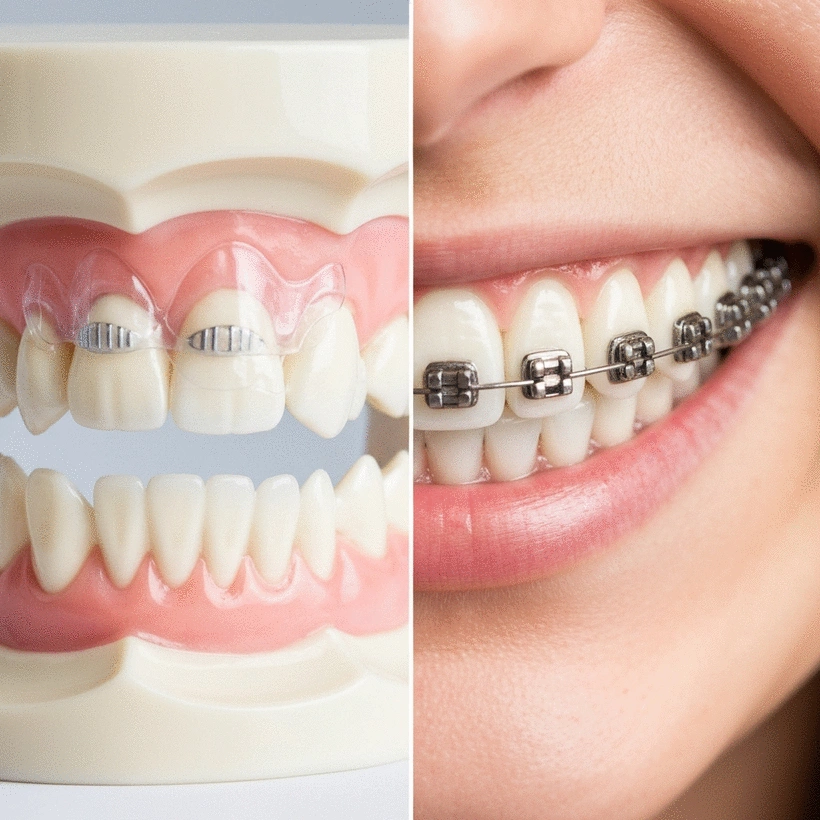
Choosing the right orthodontic treatment can feel overwhelming, especially with so many options available. Understanding the distinctions between Invisalign and traditional braces is crucial for making an informed decision that aligns with your dental needs and lifestyle.
- Personalization: Treatments should cater to your unique dental challenges.
- Comfort and Convenience: Each treatment's fit with your lifestyle can enhance your experience.
- Common Misconceptions: Invisalign can treat a variety of alignment issues, not just minor ones.
- Consultation Preparation: Document your dental history and prepare questions for your orthodontist.
- Modern Technology: Digital scanning and 3D imaging improve the accuracy of treatment planning.
Invisalign vs. Traditional Braces: Key Comparisons
Understanding the fundamental differences between these orthodontic treatments is crucial for making an informed decision about your smile journey.
Invisalign: Modern Alignment
- ✓ **Aesthetics:** Virtually invisible clear aligners.
- ✓ **Removability:** Can be removed for eating, brushing, and flossing.
- ✓ **Comfort:** Smooth plastic, less irritation than metal.
- ✓ **Treatment Scope:** Treats a wide range of mild to complex issues.
Preferred for discreet correction.
Traditional Braces: Proven Efficacy
- ✗ **Aesthetics:** Visible metal or ceramic brackets and wires.
- ✗ **Removability:** Fixed to teeth for the entire treatment.
- ✗ **Comfort:** Potential for mouth sores or irritation from wires.
- ✗ **Treatment Scope:** Highly effective for all complexities, including severe cases.
Reliable for comprehensive correction.
Understanding the Key Differences Between Invisalign and Traditional Braces
Deciding between Invisalign and traditional braces is a big choice, and understanding the key differences can make all the difference in your treatment journey! Many people are unaware of how these two orthodontic options compare, which is why it's essential to highlight their unique features. By grasping these differences, you can make an informed decision that aligns with your dental needs and lifestyle and allows you to understand the efficacy of various treatments, as highlighted in this study on orthodontic treatment outcomes.
One of the main reasons why comparing Invisalign and braces is important is that each treatment has its own set of advantages and limitations. We want to empower you with the knowledge you need to choose the right path for achieving your dream smile. Whether you're dealing with mild misalignment or more complex dental issues, knowing what to expect from each option is crucial in your decision-making process! For a detailed comparison, you can refer to resources like Gold Coast Dental's article on Invisalign vs. Traditional Braces.
Why Comparing Invisalign and Braces is Important
When considering orthodontic treatments, you want to ensure you're making a choice that suits your individual needs. Here are some key points to keep in mind:
- Personalization: Each patient has unique dental challenges, and treatments should cater to those specific needs.
- Treatment Goals: Understanding what each option can achieve helps you set realistic expectations for your smile transformation.
- Comfort and Convenience: Assessing how each treatment fits into your lifestyle can enhance your overall experience.
Being aware of these factors not only helps you feel more confident about your choice but also ensures you prioritize your dental health effectively. At eDentistNearMe, we're committed to connecting you with reliable dental professionals who can guide you through this process!
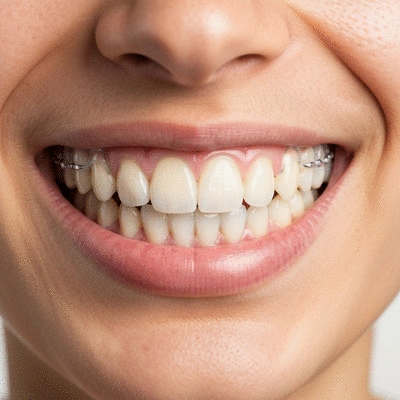
Common Misconceptions About Orthodontic Treatments
There are several myths surrounding both Invisalign and braces that can lead to confusion. Let’s clear up some common misconceptions:
- Myth 1: Invisalign is only for minor corrections. This is false! Invisalign can treat a wide range of alignment issues.
- Myth 2: Braces are only for kids and teenagers. Not true! Adults are increasingly seeking braces for various reasons, including aesthetic improvements.
- Myth 3: Invisalign is too expensive. While the cost can vary, many patients find it comparable to traditional braces.
Addressing these misconceptions is vital as it fosters a better understanding of your options. It’s important to consult with a dental professional to get personalized advice tailored to your specific situation!
Pro Tip
Did you know? When considering your orthodontic options, it's beneficial to ask your orthodontist about the expected timeline for treatment with both Invisalign and traditional braces. Knowing the duration can help you plan better and manage your expectations for achieving that perfect smile!
Summarizing Your Options: Making an Informed Choice
When it comes to orthodontic treatment, you have important decisions to make! Both Invisalign and traditional braces have their unique benefits, and understanding these can help you choose the best option for your smile. Here are some key takeaways to consider when deciding between the two:
- Personal Preference: Do you prefer the look of clear aligners or are you comfortable with metal braces?
- Treatment Plan: Evaluate the severity of your orthodontic issues and how each option addresses them.
- Cost Considerations: Consider both initial costs and long-term financial impacts.
- Comfort Levels: Reflect on how each option feels during day-to-day activities.
Ultimately, the best choice will align with your lifestyle, comfort, and dental health needs. Remember, it’s essential to consult with an orthodontic professional to get tailored advice!
Consulting an Orthodontic Professional: The Next Steps
Taking the next step toward your new smile means reaching out to an orthodontic professional. Many patients find that they gain clarity and confidence during these consultations! Here’s how to prepare for your visit:
- List Your Questions: Think about any questions or concerns you have regarding treatment options.
- Document Your Dental History: Share any previous orthodontic work or dental issues.
- Consider Your Lifestyle: Discuss your daily routine to help your orthodontist tailor the best plan for you.
By coming prepared, you’ll ensure that your consultation is productive and informative, making the decision process smoother!

The Role of Digital Scanning and 3D Imaging in Treatment Planning
Modern technology is transforming the way we approach orthodontic treatment! Digital scanning and 3D imaging play a crucial role in planning your treatment, offering precise insights into your unique dental structure. Here are some benefits of these advanced tools:
- Accuracy: Digital scans provide detailed images, helping to create custom treatment plans.
- Quick Turnaround: 3D imaging allows for faster development of your aligners or braces.
- Visualization: Many patients appreciate being able to see their projected results before treatment begins.
At eDentistNearMe, we advocate for these innovative technologies, as they contribute significantly to achieving the best possible results for your dental health! The clinical evidence supporting the effectiveness of treatments like Invisalign, which rely on such technology, can be further explored through resources like Align Technology's clinical evidence page.
Engage with Us: Share Your Thoughts and Experiences
We want to hear from you! Your experiences with orthodontic treatments can inspire and guide others on their journey to a healthier smile. Let's open the conversation:
Join the Conversation: What Did You Choose and Why?
Have you already gone through orthodontic treatment? Share your story! Understanding why you chose a specific option can be helpful for those who are currently deciding. Here are some points to think about:
- Your Motivation: What prompted you to seek treatment?
- Your Experience: How was your journey with either braces or Invisalign?
- Advice for Others: What would you suggest to someone starting their orthodontic journey?
Your insights could be invaluable to someone else navigating their options!
Frequently Asked Questions About Orthodontic Treatments
To wrap things up, let’s address some common questions that many patients have about orthodontic treatments:
- Can I switch from braces to Invisalign later? Yes, in many cases, it's possible to transition, but this should always be discussed with your orthodontist.
- How do I maintain my oral hygiene with braces? Regular brushing and flossing are essential, along with using special tools designed for braces care, such as interdental brushes and floss threaders.
- Are there age limits for using Invisalign? No, people of all ages can use Invisalign, but suitability depends on individual dental needs and the complexity of the alignment issues.
- How often do I need to wear Invisalign aligners? For effective treatment, Invisalign aligners should be worn for 20-22 hours per day, removing them only for eating, brushing, and flossing.
- Is Invisalign treatment painful? Patients typically report some discomfort or pressure when switching to a new set of aligners, but this is generally less severe than the initial discomfort experienced with traditional braces.
- What types of food should I avoid with traditional braces? It's recommended to avoid sticky, hard, and chewy foods like gum, caramel, popcorn, and nuts, as these can damage brackets and wires.
- How long does orthodontic treatment usually last? The duration varies greatly depending on the individual's dental issues and the chosen treatment, but it can range from 6 months to several years. Your orthodontist can provide a more precise estimate during your consultation.
Always feel free to reach out to your orthodontist for specific questions related to your situation. At eDentistNearMe, we’re dedicated to helping you find the information you need for a successful treatment experience!
Recap of Key Points
Here is a quick recap of the important points discussed in the article:
- Personalization: Each orthodontic treatment should cater to individual dental challenges.
- Comfort and Convenience: Assess how each treatment fits into your lifestyle for a better experience.
- Common Misconceptions: Invisalign can treat a wide range of issues, and braces are suitable for adults too.
- Consultation Preparation: Prepare questions and document your dental history for a productive orthodontic visit.
- Technology Use: Embrace digital scanning and 3D imaging for accurate and efficient treatment planning.